


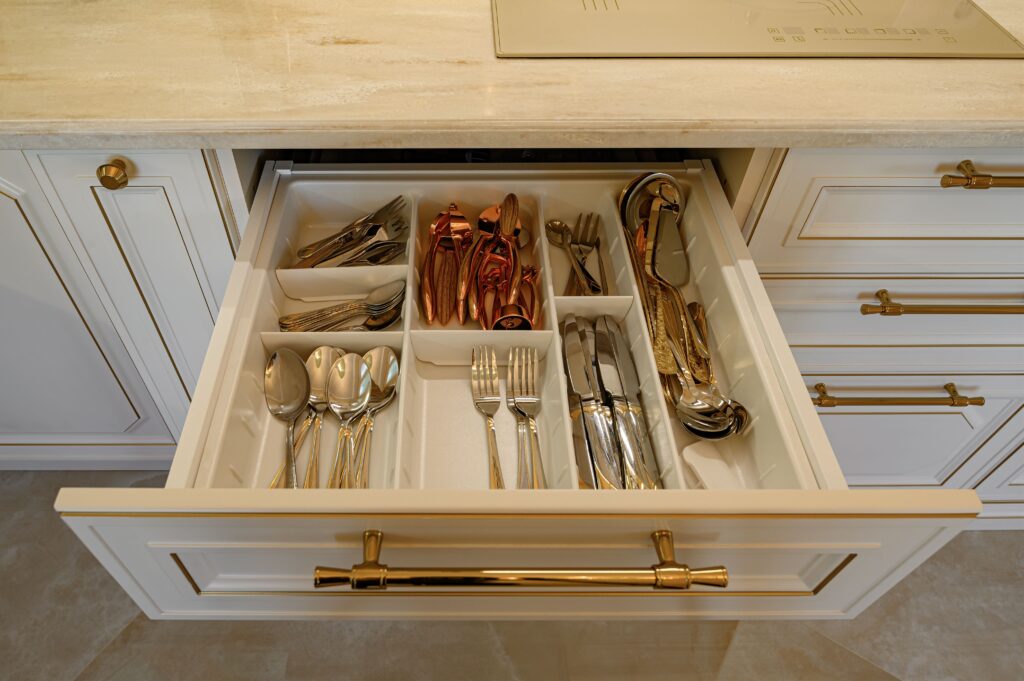
 🧯 Fire and Burn Safety
Prevent burns and kitchen fires with smart tools.
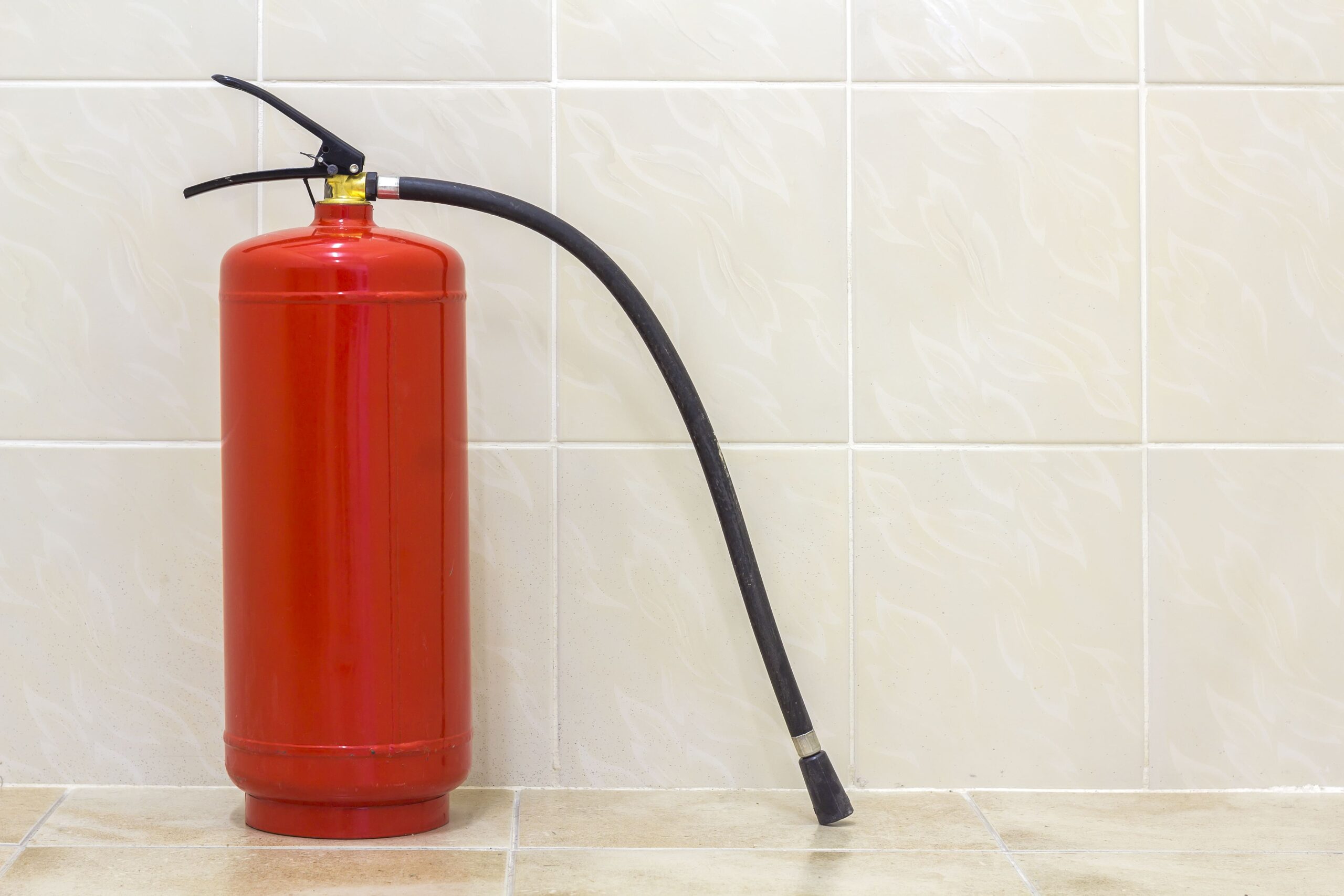
– Keep a Class K fire extinguisher near the stove (1 m away).
– Install smoke detectors (photoelectric type).
– Turn pot handles inward to avoid spills.
– Use long-cuff oven mitts.
💡 Tip: Replace oven mitts every year.
📱 Technology Helpers
Smart technology adds safety and independence:
– Smart plugs to turn off appliances remotely.
– Voice assistants for hands-free recipes.
– Loud timers for hearing-impaired users.
– Smart refrigerators with expiration reminders.
💡 Tip: Program emergency contacts into your voice assistant.

⚡ Energy-Smart Kitchen for Seniors
Save electricity while staying safe:
– Switch to LED lighting; use motion sensors.
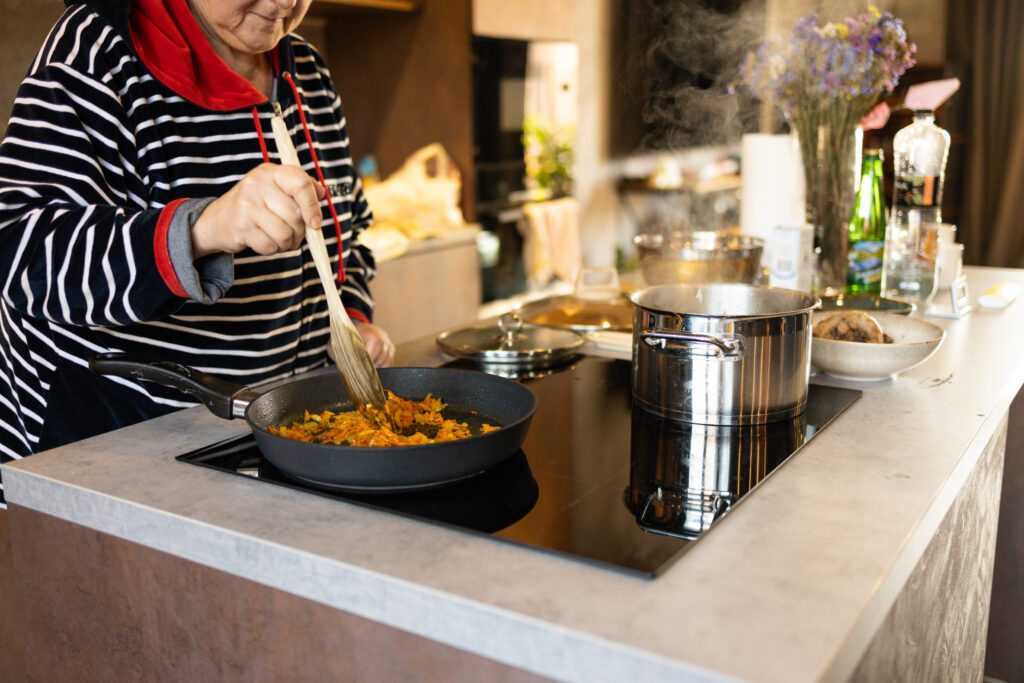
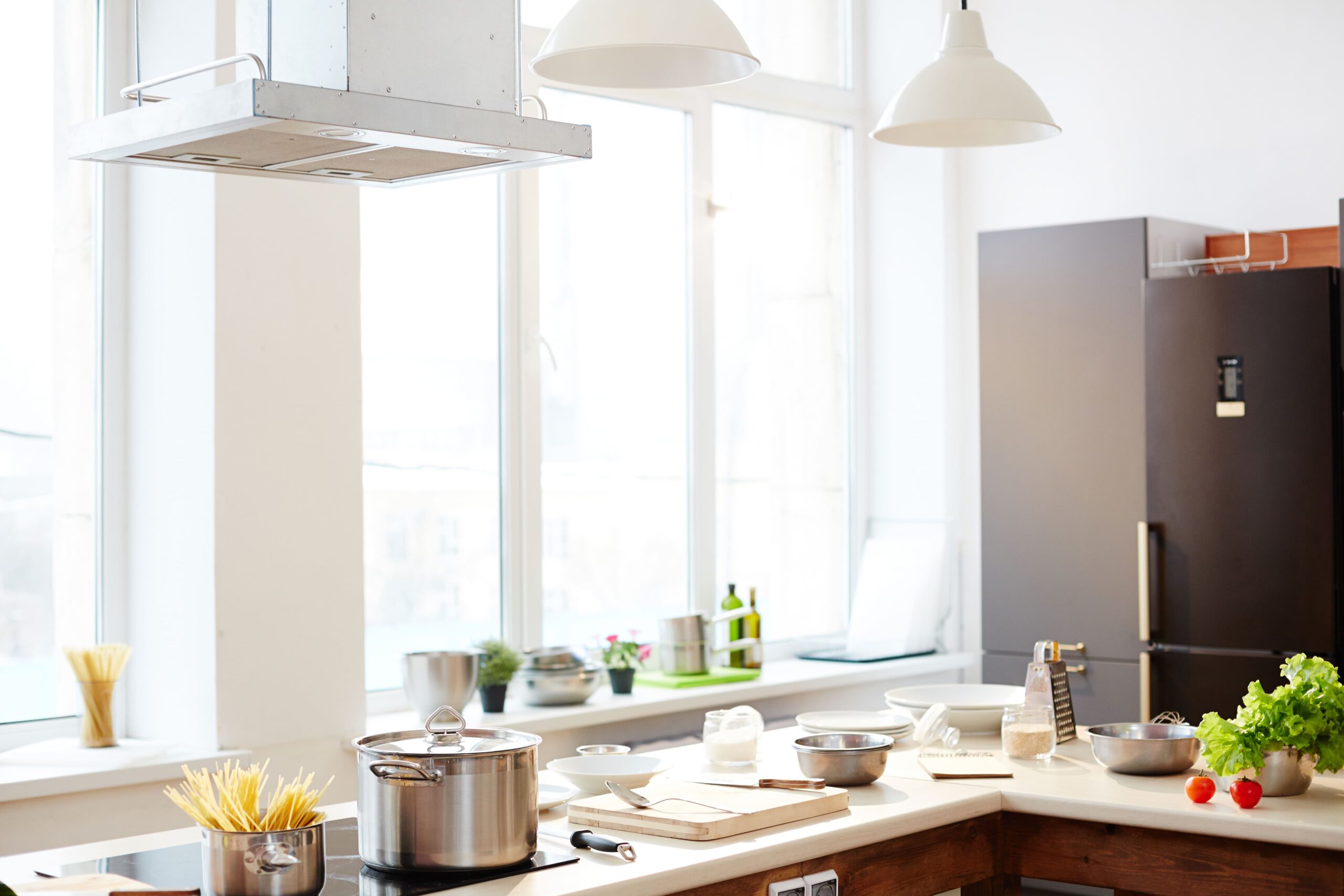
– Cook with induction cooktops (more energy-efficient).
– Unplug appliances when not in use.
– Keep fridge at 3–4°C, freezer at -18°C.
– Use pot lids to reduce cooking time.
💡 Tip: Energy efficiency means saving money—and protecting the planet.
🍎 Nutrition & Food Safety
Food safety protects health as much as physical safety.
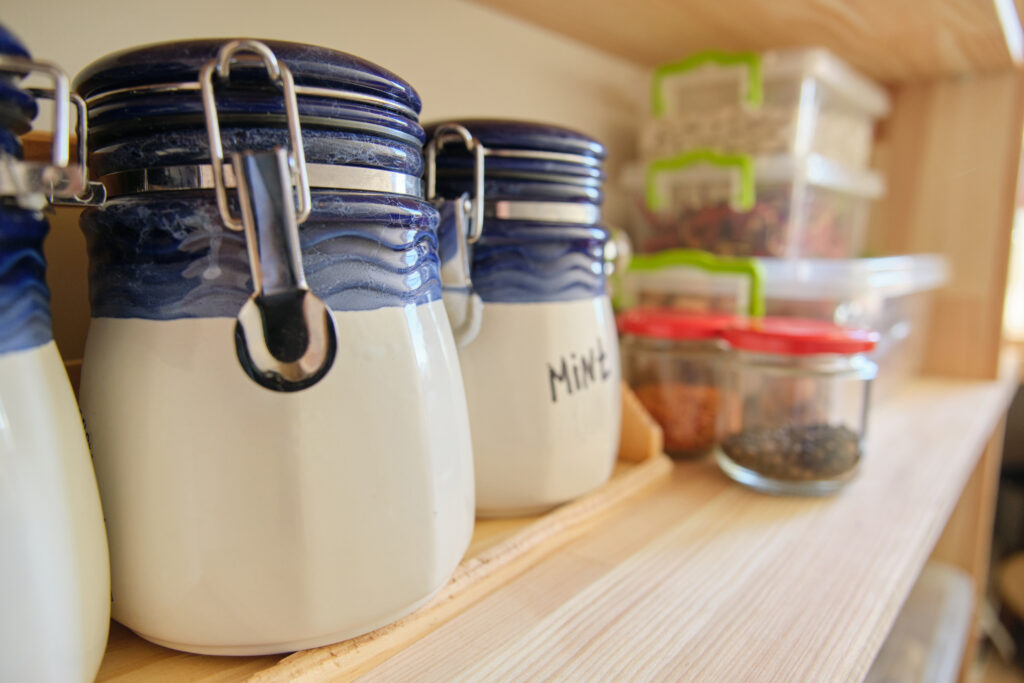
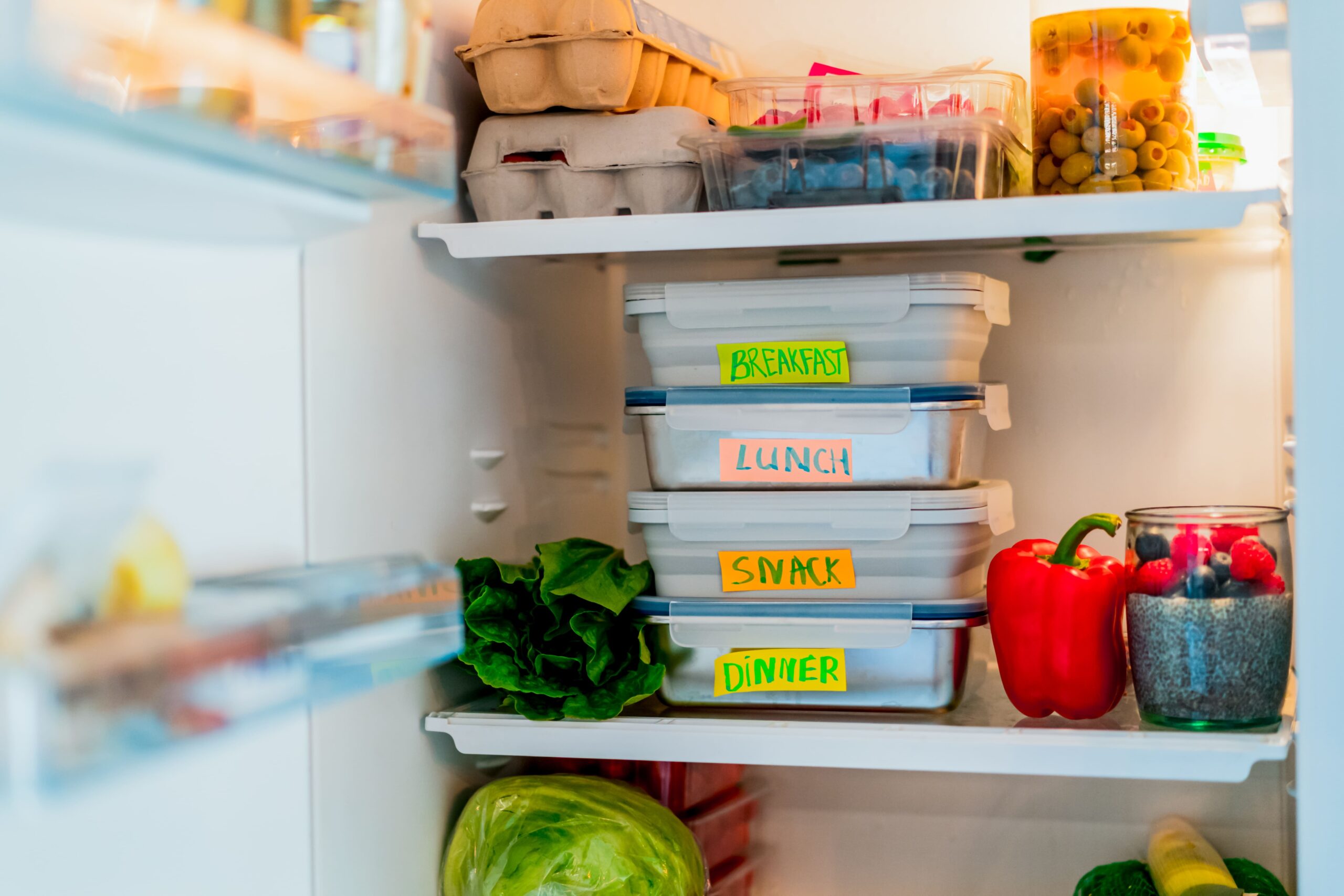
– Store food in clear containers with labels.
– Keep refrigerator at 40°F (4°C) or below.
– Avoid reheating leftovers multiple times.
– Prepare smaller portions to reduce waste.
💡 Tip: Label leftovers with purchase and expiration dates.
🆘 Emergency Preparedness
Accidents may still happen—be prepared:
– Keep a waterproof phone or medical alert device nearby.
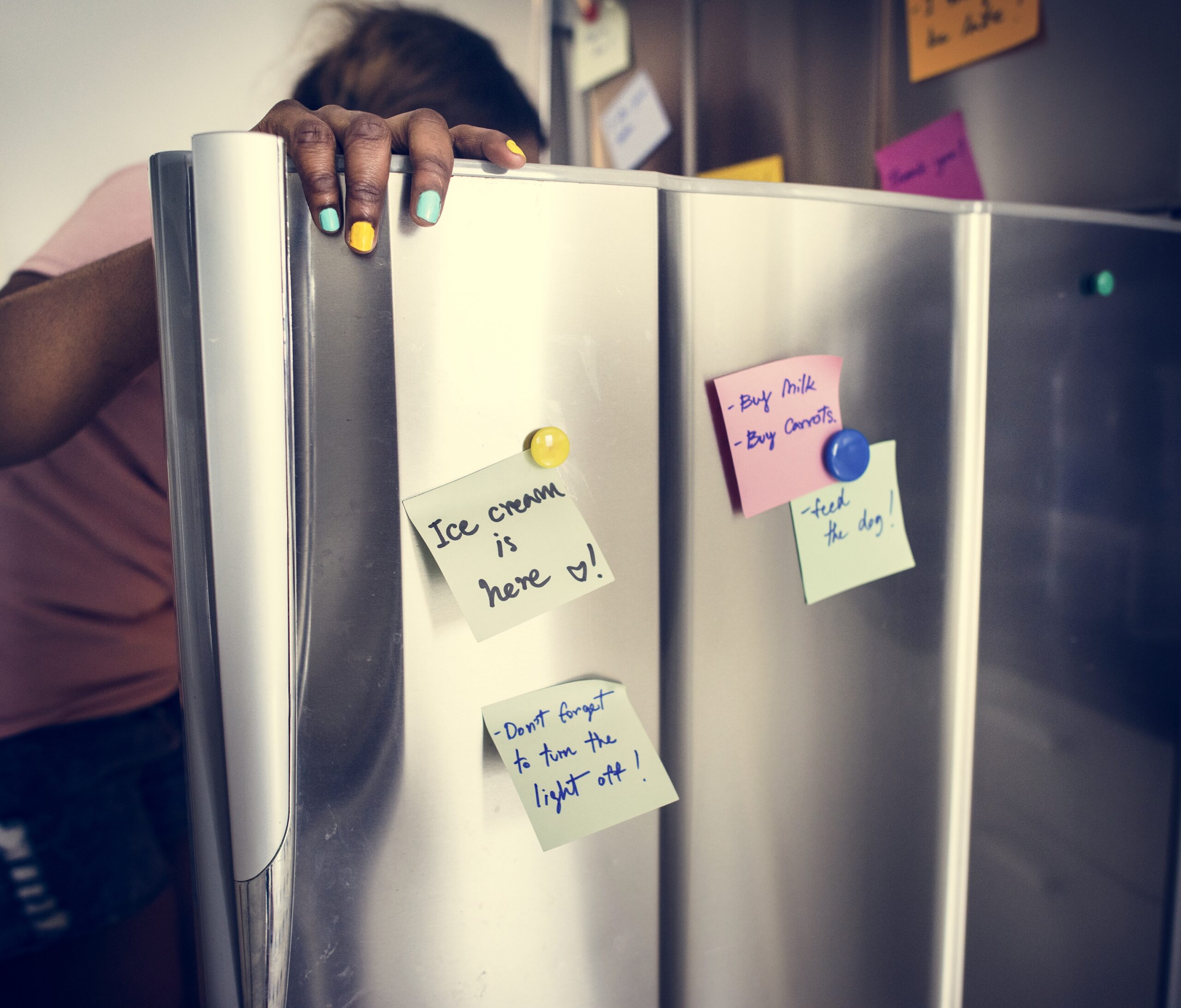
– Post emergency numbers clearly on the fridge.
– Install smoke and heat detectors near the kitchen.
– Label gas and electricity shut-offs clearly.
💡 Highlight: Present this section in a colored box for visibility.
👨👩👧 Family Involvement
Family support makes kitchens safer and more enjoyable:
– Children can help reorganize shelves and label items.
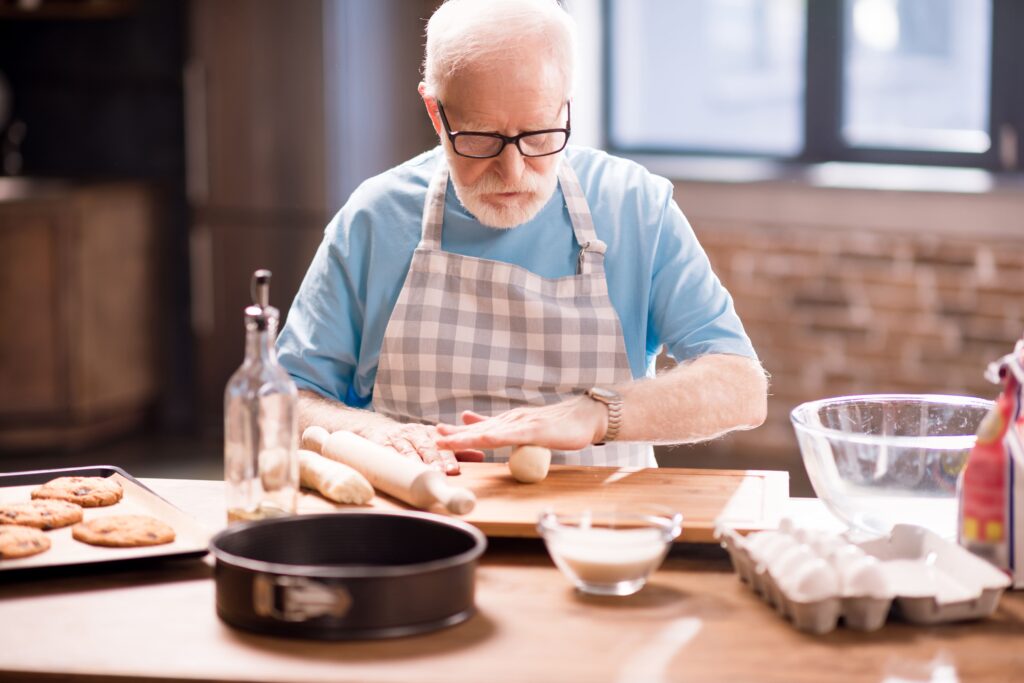
– Grandchildren can cook alongside grandparents.
– Families can perform monthly safety checks.
💡 Story: After a Chicago family reorganized their grandmother’s kitchen with pull-out drawers, she began teaching them her favorite recipes with confidence.
🏗️ Remodeling the Kitchen for Aging in Place
Sometimes small modifications are not enough. Remodeling ensures long-term independence:
– Zero-threshold entryways.
– Wider doors for mobility aids.
– Walk-in pantries with adjustable shelves.
– Built-in seating near counters.
🔍 Myths vs Facts
– Myth: Small kitchens are always safer.
Fact: Cluttered kitchens are more dangerous.
– Myth: Microwaves are risk-free.
Fact: Overheated liquids can cause burns.
– Myth: Experienced cooks don’t need safety tools.
Fact: Safety tools help everyone.
✅ Quick Kitchen Safety Checklist
– Pull-out shelves and labeled containers 📦
– Induction cooktops 🔧
– Bright LED lighting 💡
– Non-slip flooring 🪟
– Fire extinguisher & smoke alarm 🧯
– Emergency contacts on fridge 📞
– Energy-efficient practices ⚡
🌿 Conclusion
Kitchen safety is not about restriction—it’s about freedom. With brighter lighting, safe flooring, smart appliances, and energy-saving practices, seniors can enjoy independence, confidence, and peace of mind. Cooking is love, tradition, and joy. By making smart modifications, seniors can continue creating meals, memories, and moments with the people they cherish.
Remember: A safe kitchen is a happy kitchen—and it’s never too late to make it yours.