

Circulatory Health for Seniors: Science-Backed Strategies to Prevent Blood

Good circulation keeps you steady, clear-headed, and comfortable. After 60, protecting your blood flow can safeguard your heart, brain, and mobility. This guide gives you simple steps, friendly tips, and evidence-based strategies you can use today. You’ll learn what to watch for, what to eat, how to move, and when to call the doctor—so you can feel confident and supported.

Why Circulation Matters After 60

Healthy blood flow brings oxygen and nutrients to every part of your body. With age, blood vessels can stiffen and activity levels may dip, raising the risk of swelling, varicose veins, and blood clots.

Key stats:

  •  Around 1 in 2 older adults experience circulatory challenges as they age.
  • Venous clots (deep vein thrombosis and pulmonary embolism) contribute to over 60,000 deaths each year among older adults in the U.S.
  •  Small daily habits—moving more, eating well, and using compression when advised—help reduce risk.

Early warning signs of poor circulation:

  • Swollen ankles or legs (often worse in the evening)
  •  Persistent leg heaviness, tightness, or cramping
  •  Cold hands or feet, numbness, or tingling
  •  New or worsening varicose veins
  •  Skin color or texture changes on the lower legs

If these symptoms show up or suddenly get worse, call your healthcare provider. Early action can prevent complications and improve comfort.

Top 5 Foods to Boost Circulatory Health

Simple food choices make a big difference. Add these to your weekly plan to support healthy vessels and steady blood flow.

Salmon (rich in omega-3) | Reduces inflammation, supports healthy blood flow | Enjoy 1–2 times weekly, grilled or baked
Blueberries | Flavonoids help keep arteries flexible | One small cup daily as a snack or with yogurt
Spinach | Natural nitrates and magnesium help vessels relax | Add to salads, omelets, or smoothies
Nuts (walnuts, almonds) | Support healthy cholesterol and vessel health | A small handful daily
Dark chocolate (70% cacao) | Improves circulation and may lower blood pressure | A small square after dinner

Helpful tip: Build a “circulation plate”—half vegetables, a quarter lean protein (like fish or beans), a quarter whole grains (like oats or brown rice), plus a small portion of healthy fats (olive oil or walnuts).

Top 5 Circulation-Boosting Nutrients

These nutrients support vessel flexibility, healthy blood lipids, and a stable inflammatory response.

Omega-3s (EPA/DHA) | Supports blood flow and lowers inflammation | Salmon, sardines, mackerel, fish oil | 1–2 g EPA/DHA
Vitamin K2 | Helps prevent arterial calcification | Natto, aged cheeses, egg yolks | 100–200 mcg
Flavonoids | Strengthen vein walls and reduce oxidative stress | Berries, citrus, dark chocolate, green tea | ~500 mg
Magnesium | Aids vessel relaxation and heart rhythm | Pumpkin seeds, spinach, almonds, legumes | 320–420 mg
Fiber | Supports healthy lipids and weight | Oats, beans, lentils, vegetables, chia, flaxseed | 25–35 g

Safety notes:

  • On blood thinners like warfarin? Keep vitamin K intake consistent and check with your clinician before big diet changes.
  • Kidney disease or other conditions? Ask your clinician about safe magnesium and supplement levels.

Sample day:
Breakfast: Oatmeal with ground flaxseed and blueberries; green tea
Lunch: Grilled salmon over spinach and citrus salad; a few walnuts
Snack: Plain yogurt with a square of dark chocolate (70%+)
Dinner: Lentil and vegetable stew; side of whole-grain bread
Hydration: Water and herbal tea; limit sugary drinks

🪑 Sit Down While You Cook

Standing for long periods can cause fatigue. Seated cooking helps.

– Use sturdy stools with backrests and non-slip legs.
– Consider height-adjustable counters for wheelchair use.
– Place chairs with armrests near workspaces.

💡 Tip: Keep a lightweight stool near counters for meal prep.

🧴 Flooring and Fall Prevention

Kitchen floors often get wet and slippery. Choose safe surfaces:

– Vinyl flooring (slip resistance ≥ 0.6, 4–6 mm thick).
– Cork for comfort, with protective seal.
– Textured ceramic tiles (matte finish).
– Avoid loose rugs or secure them with pads.

💡 Tip: Wipe spills immediately—even small ones.

📦 Smart Storage for Everyday Items

Accessibility reduces risks of bending or stretching.

– Store daily essentials at shoulder height.
– Use magnetic strips for knives.
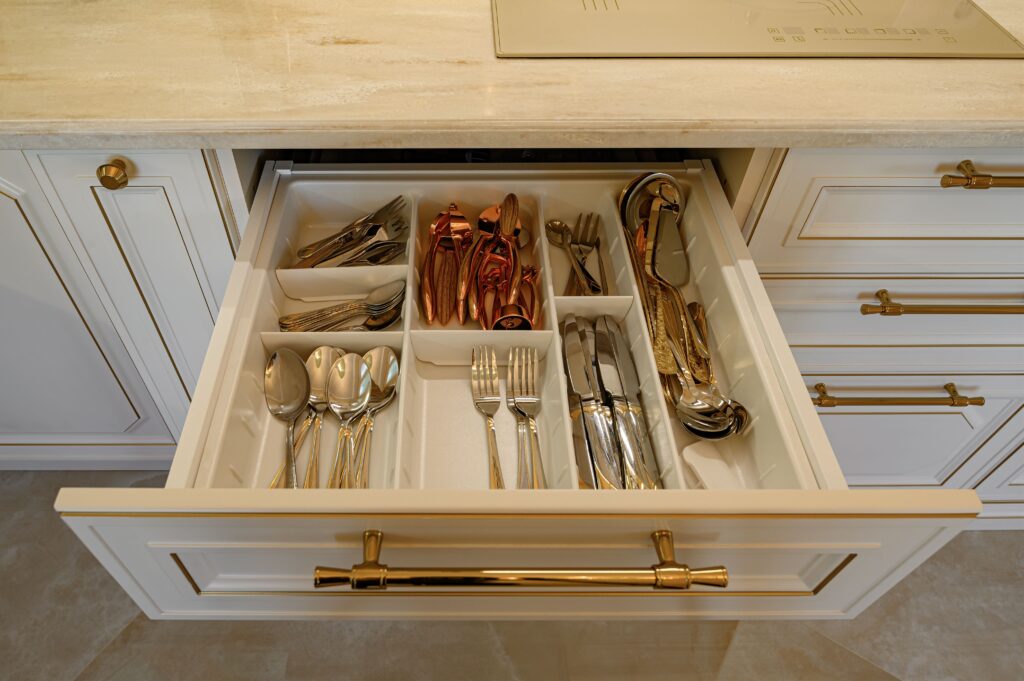
– Organize utensils with drawer dividers.
– Create a daily essentials shelf.

💡 Tip: Post emergency phone numbers on the fridge.


🧯 Fire and Burn Safety

Prevent burns and kitchen fires with smart tools.

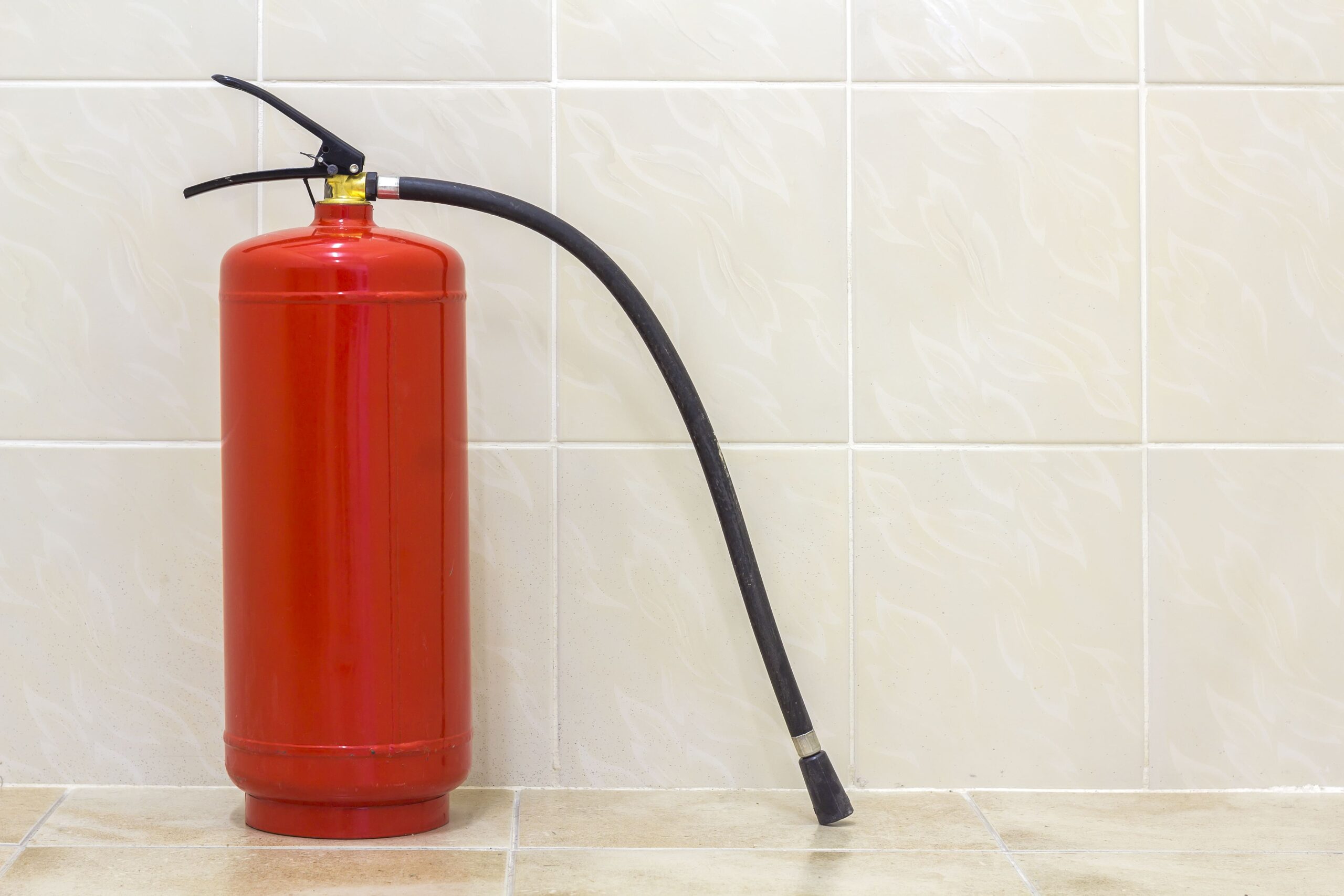
– Keep a Class K fire extinguisher near the stove (1 m away).
– Install smoke detectors (photoelectric type).
– Turn pot handles inward to avoid spills.
– Use long-cuff oven mitts.

💡 Tip: Replace oven mitts every year.
📱 Technology Helpers

Smart technology adds safety and independence:

– Smart plugs to turn off appliances remotely.
– Voice assistants for hands-free recipes.
– Loud timers for hearing-impaired users.
– Smart refrigerators with expiration reminders.

💡 Tip: Program emergency contacts into your voice assistant.

⚡ Energy-Smart Kitchen for Seniors

Save electricity while staying safe:

– Switch to LED lighting; use motion sensors.
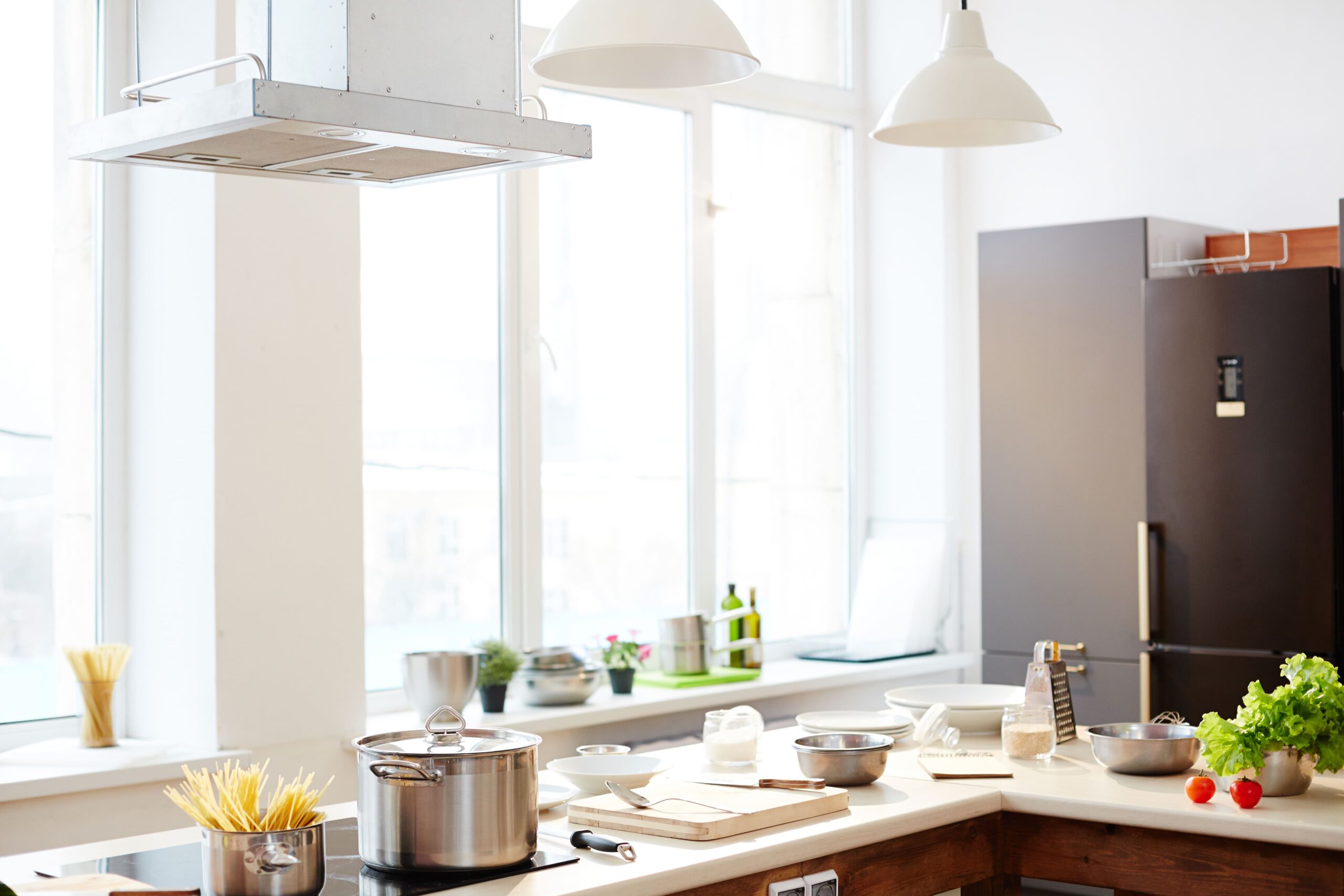
– Cook with induction cooktops (more energy-efficient).
– Unplug appliances when not in use.
– Keep fridge at 3–4°C, freezer at -18°C.
– Use pot lids to reduce cooking time.

💡 Tip: Energy efficiency means saving money—and protecting the planet.
🍎 Nutrition & Food Safety

Food safety protects health as much as physical safety.

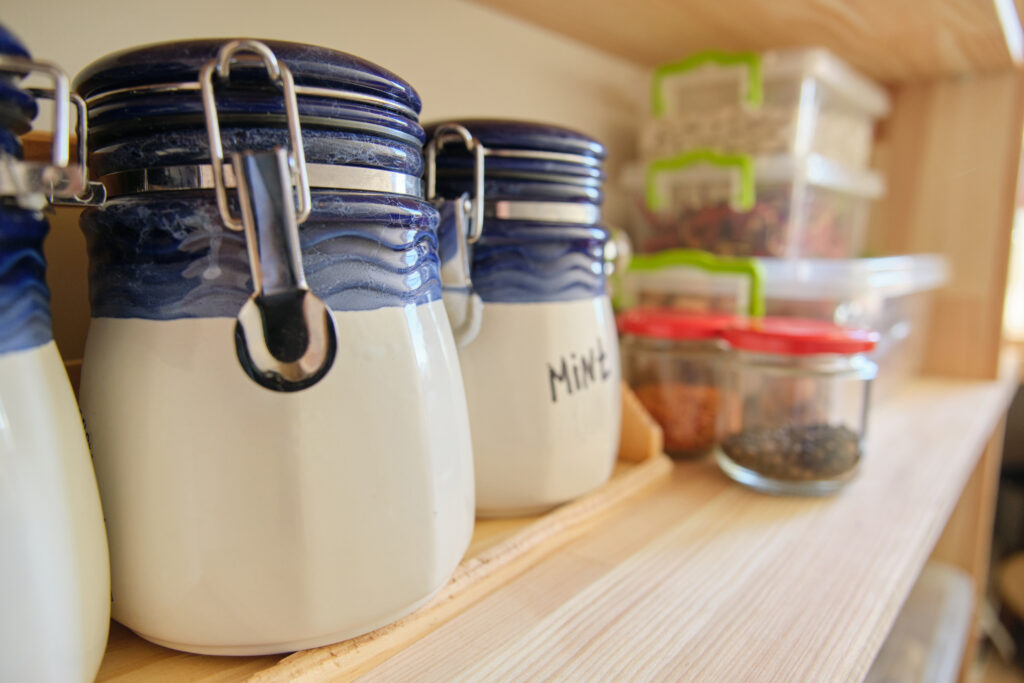
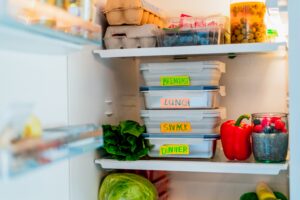
– Store food in clear containers with labels.
– Keep refrigerator at 40°F (4°C) or below.
– Avoid reheating leftovers multiple times.
– Prepare smaller portions to reduce waste.

💡 Tip: Label leftovers with purchase and expiration dates.
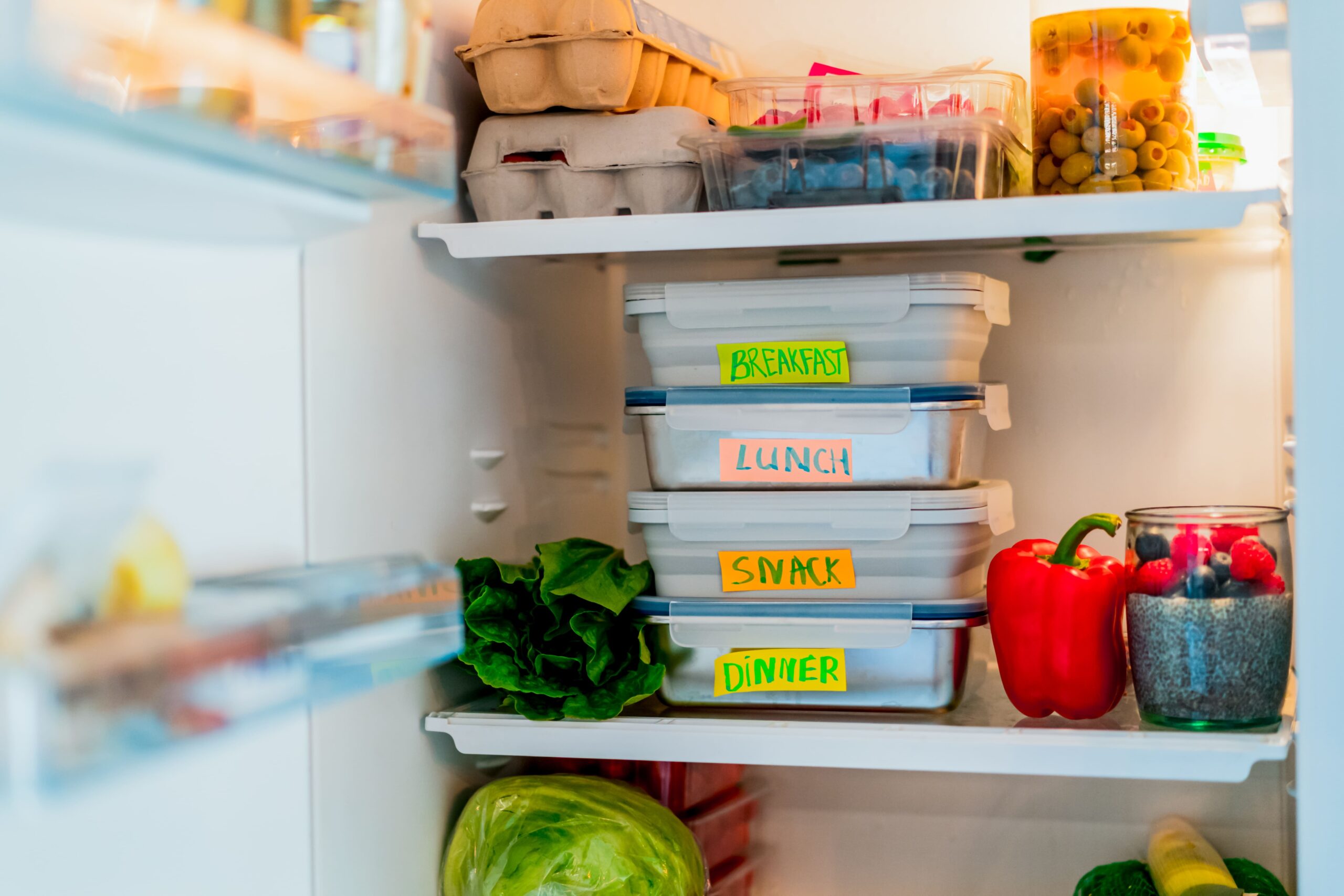
🆘 Emergency Preparedness

Accidents may still happen—be prepared:

– Keep a waterproof phone or medical alert device nearby.
– Post emergency numbers clearly on the fridge.
– Install smoke and heat detectors near the kitchen.
– Label gas and electricity shut-offs clearly.

💡 Highlight: Present this section in a colored box for visibility.
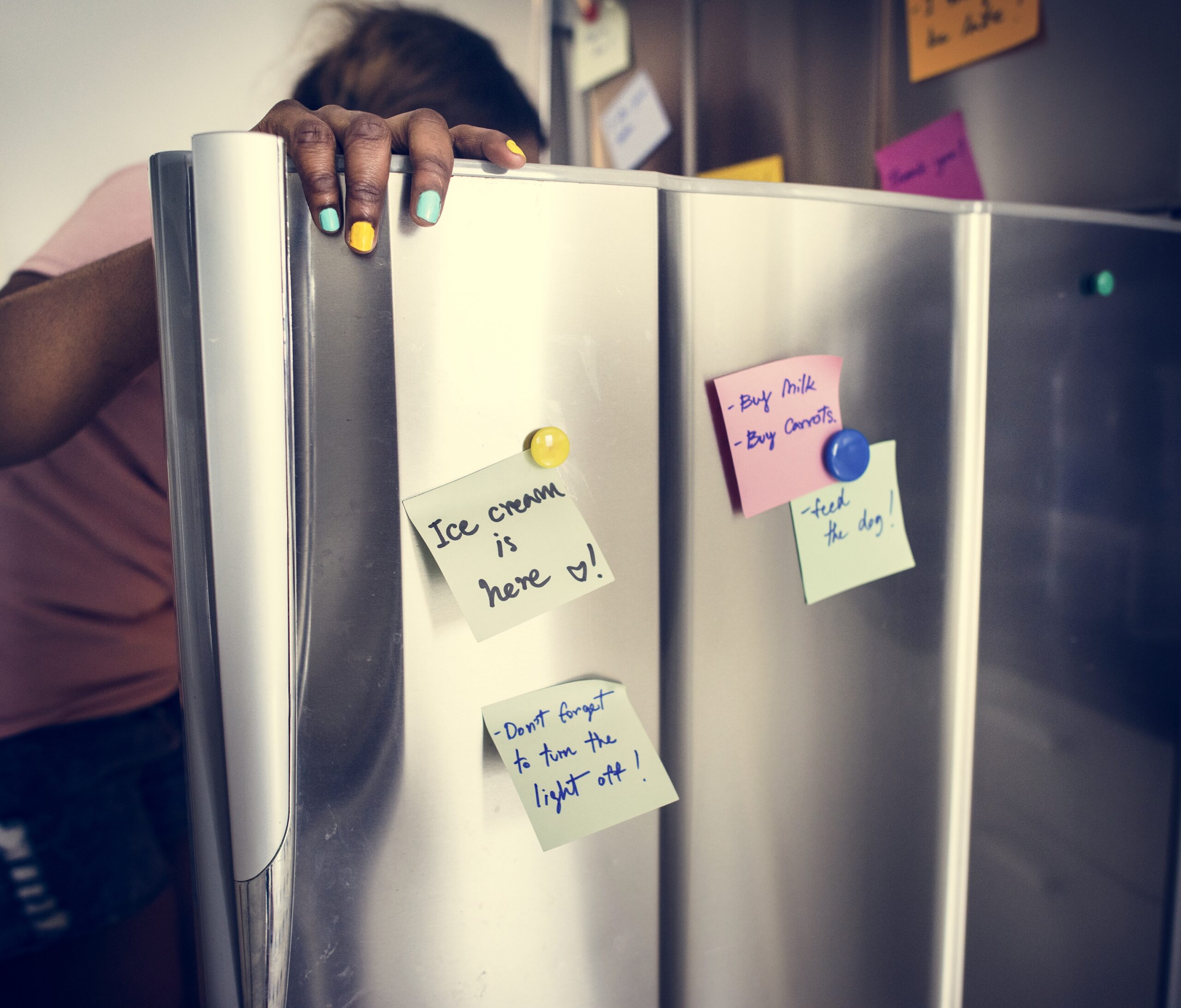
African descent woman open the fridge


👨‍👩‍👧 Family Involvement

Family support makes kitchens safer and more enjoyable:

– Children can help reorganize shelves and label items.
– Grandchildren can cook alongside grandparents.
– Families can perform monthly safety checks.

💡 Story: After a Chicago family reorganized their grandmother’s kitchen with pull-out drawers, she began teaching them her favorite recipes with confidence.

🏗️ Remodeling the Kitchen for Aging in Place

Sometimes small modifications are not enough. Remodeling ensures long-term independence:

– Zero-threshold entryways.
– Wider doors for mobility aids.
– Walk-in pantries with adjustable shelves.
– Built-in seating near counters.

🔍 Myths vs Facts

– Myth: Small kitchens are always safer.
  Fact: Cluttered kitchens are more dangerous.

– Myth: Microwaves are risk-free.
  Fact: Overheated liquids can cause burns.

– Myth: Experienced cooks don’t need safety tools.
  Fact: Safety tools help everyone.

✅ Quick Kitchen Safety Checklist

– Pull-out shelves and labeled containers 📦
– Induction cooktops 🔧
– Bright LED lighting 💡
– Non-slip flooring 🪟
– Fire extinguisher & smoke alarm 🧯
– Emergency contacts on fridge 📞
– Energy-efficient practices ⚡

🌿 Conclusion

Kitchen safety is not about restriction—it’s about freedom. With brighter lighting, safe flooring, smart appliances, and energy-saving practices, seniors can enjoy independence, confidence, and peace of mind. Cooking is love, tradition, and joy. By making smart modifications, seniors can continue creating meals, memories, and moments with the people they cherish.

Remember: A safe kitchen is a happy kitchen—and it’s never too late to make it yours.

Scroll to Top