
How to Overcome Forgetting Names: Practical Memory Techniques
How to Overcome Forgetting Names: Practical Memory Techniques Read More »
Your blog category

Circulatory Health for Seniors: Science-Backed Strategies to Prevent Blood Good circulation keeps you steady, clear-headed, and comfortable. After 60, protecting your blood flow can safeguard your heart, brain, and mobility. This guide gives you simple steps, friendly tips, and evidence-based strategies you can use today. You’ll learn what to watch for, what to eat, how to move, and when to call the doctor—so you can feel confident and supported. Why Circulation Matters After 60 Healthy blood flow brings oxygen and nutrients to every part of your body. With age, blood vessels can stiffen and activity levels may dip, raising the risk of swelling, varicose veins, and blood clots. Key stats: Around 1 in 2 older adults experience circulatory challenges as they age. Venous clots (deep vein thrombosis and pulmonary embolism) contribute to over 60,000 deaths each year among older adults in the U.S. Small daily habits—moving more, eating well, and using compression when advised—help reduce risk. Early warning signs of poor circulation: Swollen ankles or legs (often worse in the evening) Persistent leg heaviness, tightness, or cramping Cold hands or feet, numbness, or tingling New or worsening varicose veins Skin color or texture changes on the lower legs If these symptoms show up or suddenly get worse, call your healthcare provider. Early action can prevent complications and improve comfort. Top 5 Foods to Boost Circulatory Health Simple food choices make a big difference. Add these to your weekly plan to support healthy vessels and steady blood flow. Salmon (rich in omega-3) | Reduces inflammation, supports healthy blood flow | Enjoy 1–2 times weekly, grilled or bakedBlueberries | Flavonoids help keep arteries flexible | One small cup daily as a snack or with yogurtSpinach | Natural nitrates and magnesium help vessels relax | Add to salads, omelets, or smoothiesNuts (walnuts, almonds) | Support healthy cholesterol and vessel health | A small handful dailyDark chocolate (70% cacao) | Improves circulation and may lower blood pressure | A small square after dinner Helpful tip: Build a “circulation plate”—half vegetables, a quarter lean protein (like fish or beans), a quarter whole grains (like oats or brown rice), plus a small portion of healthy fats (olive oil or walnuts). Top 5 Circulation-Boosting Nutrients These nutrients support vessel flexibility, healthy blood lipids, and a stable inflammatory response. Omega-3s (EPA/DHA) | Supports blood flow and lowers inflammation | Salmon, sardines, mackerel, fish oil | 1–2 g EPA/DHAVitamin K2 | Helps prevent arterial calcification | Natto, aged cheeses, egg yolks | 100–200 mcgFlavonoids | Strengthen vein walls and reduce oxidative stress | Berries, citrus, dark chocolate, green tea | ~500 mgMagnesium | Aids vessel relaxation and heart rhythm | Pumpkin seeds, spinach, almonds, legumes | 320–420 mgFiber | Supports healthy lipids and weight | Oats, beans, lentils, vegetables, chia, flaxseed | 25–35 g Safety notes: On blood thinners like warfarin? Keep vitamin K intake consistent and check with your clinician before big diet changes. Kidney disease or other conditions? Ask your clinician about safe magnesium and supplement levels. Sample day:Breakfast: Oatmeal with ground flaxseed and blueberries; green teaLunch: Grilled salmon over spinach and citrus salad; a few walnutsSnack: Plain yogurt with a square of dark chocolate (70%+)Dinner: Lentil and vegetable stew; side of whole-grain breadHydration: Water and herbal tea; limit sugary drinks 🪑 Sit Down While You Cook Standing for long periods can cause fatigue. Seated cooking helps. – Use sturdy stools with backrests and non-slip legs.– Consider height-adjustable counters for wheelchair use.– Place chairs with armrests near workspaces. 💡 Tip: Keep a lightweight stool near counters for meal prep. 🧴 Flooring and Fall Prevention Kitchen floors often get wet and slippery. Choose safe surfaces: – Vinyl flooring (slip resistance ≥ 0.6, 4–6 mm thick).– Cork for comfort, with protective seal.– Textured ceramic tiles (matte finish).– Avoid loose rugs or secure them with pads. 💡 Tip: Wipe spills immediately—even small ones. 📦 Smart Storage for Everyday Items Accessibility reduces risks of bending or stretching. – Store daily essentials at shoulder height.– Use magnetic strips for knives.– Organize utensils with drawer dividers.– Create a daily essentials shelf. 💡 Tip: Post emergency phone numbers on the fridge. 🧯 Fire and Burn Safety Prevent burns and kitchen fires with smart tools. – Keep a Class K fire extinguisher near the stove (1 m away).– Install smoke detectors (photoelectric type).– Turn pot handles inward to avoid spills.– Use long-cuff oven mitts. 💡 Tip: Replace oven mitts every year. 📱 Technology Helpers Smart technology adds safety and independence: – Smart plugs to turn off appliances remotely.– Voice assistants for hands-free recipes.– Loud timers for hearing-impaired users.– Smart refrigerators with expiration reminders. 💡 Tip: Program emergency contacts into your voice assistant. ⚡ Energy-Smart Kitchen for Seniors Save electricity while staying safe: – Switch to LED lighting; use motion sensors.– Cook with induction cooktops (more energy-efficient).– Unplug appliances when not in use.– Keep fridge at 3–4°C, freezer at -18°C.– Use pot lids to reduce cooking time. 💡 Tip: Energy efficiency means saving money—and protecting the planet. 🍎 Nutrition & Food Safety Food safety protects health as much as physical safety. – Store food in clear containers with labels.– Keep refrigerator at 40°F (4°C) or below.– Avoid reheating leftovers multiple times.– Prepare smaller portions to reduce waste. 💡 Tip: Label leftovers with purchase and expiration dates. 🆘 Emergency Preparedness Accidents may still happen—be prepared: – Keep a waterproof phone or medical alert device nearby.– Post emergency numbers clearly on the fridge.– Install smoke and heat detectors near the kitchen.– Label gas and electricity shut-offs clearly. 💡 Highlight: Present this section in a colored box for visibility. 👨👩👧 Family Involvement Family support makes kitchens safer and more enjoyable: – Children can help reorganize shelves and label items.– Grandchildren can cook alongside grandparents.– Families can perform monthly safety checks. 💡 Story: After a Chicago family reorganized their grandmother’s kitchen with pull-out drawers, she began teaching them her favorite recipes with confidence. 🏗️ Remodeling the Kitchen for Aging in Place Sometimes small modifications are not enough. Remodeling

Breaking the Sleep-Anxiety Loop Sleep should be your sanctuary, not your battleground. Yet for many seniors, bedtime brings worry instead of rest. Racing thoughts replace sweet dreams. The harder you try to sleep, the more elusive it becomes.You’re not alone in this struggle. Nearly 50% of seniors experience chronic insomnia, often tangled with anxiety. The good news? Science shows this cycle can be broken. With the right tools and gentle persistence, you can reclaim your birthright to restful sleep. This guide offers proven strategies specifically designed for seniors. You’ll discover why sleep becomes challenging as we age, learn practical techniques to quiet your mind, and create a bedroom environment that welcomes rest. Most importantly, you’ll understand that better sleep is within your reach. The Hidden Connection: Why Anxiety and Sleeplessness Feed Each Other Sleep researcher Matthew Walker puts it simply: “Poor sleep doesn’t just leave you tired—it rewires your brain for anxiety.” This insight explains why sleepless nights often spiral into fearful thoughts about the next day. Aging naturally changes our sleep patterns. Deep sleep decreases by 20-50% as we get older, while nighttime awakenings increase three times. These changes alone don’t cause insomnia, but they create fertile ground for anxiety to take root. When anxiety strikes, your body releases cortisol, the stress hormone. This chemical messenger suppresses melatonin production by 40-70% in seniors. Less melatonin means less natural sleepiness. The cycle begins: poor sleep creates anxiety, which prevents good sleep, which increases anxiety. Ask yourself these questions:– Do you dread bedtime?– Do you wake at 3 AM with racing thoughts?– Do you fear sleeplessness more than the actual problems keeping you awake? If you answered yes to any of these, you’re caught in the sleep-anxiety loop. But recognition is the first step toward freedom. Your Five-Point Sleep Restoration Plan 1. Create Your Anxiety-Defusing Wind-Down Routine The most successful seniors follow what sleep specialists call the 120-60-30 framework. This approach gradually signals your body and mind that rest is coming. Two hours before bed: Brew a cup of passionflower tea and take a gentle walk. Passionflower naturally lowers cortisol by 22%. Avoid heavy news or large meals during this time. One hour before bed: Draw a warm bath around 100°F and play soft jazz or classical music. Skip all screens during this hour. The warm water triggers your body temperature to drop by 0.5°F afterward, mimicking your natural sleep onset. Thirty minutes before bed: Write three things you’re grateful for in a dedicated journal. Avoid checking locks, appliances, or tomorrow’s schedule. This practice shifts your brain from worry mode to safety mode. Senior tip: Invest in a simple bedside alarm clock to eliminate phone temptation. Your bedroom should be a phone-free zone. 2. Transform Your Bedroom Into a Sleep Sanctuary Safety comes first. Install bedside grip bars, ensure non-slip flooring, and place motion-sensor red nightlights along your path to the bathroom. Red light preserves your natural melatonin production. Control your environment:– Temperature: Keep your room between 65-68°F (18-20°C). This mimics your body’s natural temperature drop during sleep.– Sound: Use a white noise machine set below 50 decibels. This masks household noises without being disruptive.– Darkness: Install blackout curtains and cover LED lights with electrical tape. Even tiny lights can interfere with sleep. Choose the right bedding. Weighted blankets between 7-12 pounds can reduce anxiety, but never exceed 10% of your body weight. For pillows, side sleepers benefit from cervical support, while those with acid reflux should consider a wedge pillow. 💡 Affiliate Tip: Try ergonomic pillows, weighted blankets, or lavender diffusers available on Amazon to enhance comfort. These tools support a calming sleep environment. 3. Master Mind-Quieting Techniques Cognitive Behavioral Therapy for Insomnia (CBT-I) offers powerful tools for seniors. The 4-7-8 breathing technique works especially well:– Inhale through your nose for 4 seconds– Hold your breath for 7 seconds– Exhale through your mouth for 8 seconds– Repeat 4 times Place your hands on your ribs to ensure you’re breathing with your diaphragm, not just your chest. Transform anxious thoughts with evidence-based reframes:Instead of “I’ll never sleep!” try “Resting quietly still helps my body restore.”Replace “Tomorrow will be ruined” with “I’ve survived sleepless nights before and managed just fine.” Schedule a daily 15-minute “worry appointment” at 4 PM. Write your concerns in a notebook, then physically close it. This contains worry to a specific time rather than letting it invade bedtime. 4. Explore Natural Sleep Aids Safely Before trying any supplement, remember that 68% of seniors take five or more medications. Always consult your doctor first. – Magnesium Glycinate: Start with 100-200 mg. This form is gentle on the stomach but can interact with muscle relaxers and heart medications.– Tart Cherry Juice: Eight ounces daily provides natural melatonin. Be cautious if you take blood thinners, as cherries can enhance their effects.– Lavender Diffusion: Run a diffuser for one hour before bed. While generally safe, avoid applying lavender oil directly to your skin. Natural doesn’t always mean harmless. Your pharmacist can help identify potential interactions with your current medications. 5. Reset Your Daily Rhythm Your body’s internal clock needs consistent signals. Get 15 minutes of sunlight within one hour of waking—without sunglasses. This bright light exposure helps regulate your circadian rhythm. Stay active with senior-friendly exercises like water aerobics or Tai Chi, but finish before 4 PM. Late-day exercise can be too stimulating for sleep. If you nap, limit it to 20 minutes before 2 PM. Longer or later naps can steal precious deep sleep from your nighttime rest. Real Success Stories: Proof These Strategies Work Margaret, 79, struggled with arthritis pain and loneliness that limited her sleep to just two hours nightly. She added a heated mattress pad for comfort, joined virtual senior yoga classes for connection, and started taking magnesium glycinate. Within 14 days, she achieved six hours of uninterrupted sleep. Raj, 72, discovered his beta-blocker medication was causing 3 AM panic attacks. Working with his doctor, he adjusted his medication timing and learned CBT-I techniques. His anxiety decreased
Breaking the Sleep-Anxiety Loop Read More »

Senior Anxiety Breathing Techniques: Restore Calm Naturally Welcome to your safe space at Senior Comfort Hub. If you’re feeling anxious, know this—you’re not alone, and there is hope right where you’re sitting. Anxiety in later life isn’t always loud. Sometimes it’s a restless mind, or a flutter in the chest when night falls. Adjusting to big changes, health worries, or missing loved ones can sometimes feel overwhelming. But every gentle breath you take can whisper comfort back into your life Senior Breathwork Guide: Gentle, Science-Backed Breathing for Anxiety & Calm Your breath is a steady anchor. Neuroscience shows that simple breathing can ease stress hormones and regulate your heartbeat in just a few minutes. Seniors often tell us their breathwork practice feels like a lifeline, always ready when the world feels too fast. As Walter, 79, shared:“After my fall, anxiety haunted me. These breaths became my invisible walker—always there to lean on.” You deserve that comfort and steadiness, too. This guide warmly invites you to discover gentle, science-backed breathwork for senior anxiety and stress. You can start anytime, with no special skills needed—just a chair and a willingness to try. In This Guide, You’ll Learn: Why breathing eases anxiety, especially as we age Five gentle, chair-adapted breathing techniques When to practice them in daily routines Safety tips for COPD, heart conditions, and mobility challenges Accessibility ideas for vision, hearing, and arthritis Cultural rituals that support calm Suggested products for comfort Real stories from seniors using breathwork successfully Why Breathing Is Your Silent Ally Against Anxiety When you’re anxious, your breathing often becomes shallow without you noticing. This signals your nervous system to stay on high alert. Common signs of anxiety breathing: Shallow chest breathing → raises stress hormones Faster heart rate → worsens panic Shoulder/chest tension → increases dizziness or discomfort Why breathwork is especially helpful for seniors: Activates the vagus nerve → lowers heart rate & blood pressure Boosts oxygen to the brain → supports clarity & reduces fogginess Triggers relaxation response → eases tight muscles Balances the nervous system → reduces late-day anxiety Image suggestion: Elderly woman breathing calmly in a sunlit armchair.Alt text: Senior woman practicing 4–6 breathing in chair. 5 Gentle Breathing Techniques (Chair-Adapted) All you need is a comfortable seat, a quiet moment, and your breath. What You’ll Need Supportive chair or seat cushion Timer or breathing app Optional: warm tea, soft blanket, calming music 1. The 4–6 Reset (Instant Grounding) Ideal for: sudden anxiety, trouble sleeping, feeling overwhelmed How to do it: Sit upright, feet flat. Inhale through your nose to a slow count of 4. Exhale through pursed lips to a count of 6. Repeat 5 times. Why it helps: Longer exhales quickly calm the nervous system. Senior tip: Use a straw to extend the exhale—great for COPD. Image suggestion: Close-up of relaxed senior hands on armrests.Alt text: Senior hands relaxed during 4–6 breathing. 2. Heart-Centered Breath (Emotional Calm) Ideal for: grief, loneliness, moments of uncertainty How to do it: Right hand on heart, left hand on belly. Inhale for 3 seconds—feel your belly rise. Exhale for 5 seconds—feel your heartbeat. Repeat for 2–4 minutes while whispering: “This moment is enough.” Story highlight — Martha, 81:“Post-stroke anxiety left me housebound. Heart-Centered breathing helped me go to my granddaughter’s recital—breath by breath.” Senior tip: Rest elbows on pillows if your arms tire. Image suggestion: Senior seated by a window with hand on heart.Alt text: Heart-centered breathing for senior emotional calm. 3. Box Breathing (Focus & Clarity) Ideal for: racing thoughts, decision fatigue, before appointments How to do it:Inhale 4s → Hold 4s → Exhale 4s → Hold 4sRepeat 4–6 cycles. Senior adaptation:Skip the hold if it feels uncomfortable—just inhale/exhale for 4 seconds. Image suggestion: Simple square diagram with arrows.Alt text: Box breathing diagram for seniors. 4. The Sighing Breath (Releases Tension) Ideal for: physical tension, pre-appointment stress, afternoon fatigue How to do it: Inhale softly through the nose. Let out a long, gentle “haaah” sigh. Relax shoulders and pause 10 seconds. Repeat 3–5 times. Real benefit — Raj, 76:“It’s like the worry leaves with the sigh. I can speak to my doctor calmly.” Image suggestion: Senior gently exhaling, shoulders dropping.Alt text: Sighing breath for seniors. 5. Humming Breath (Vagus Nerve Support) Ideal for: agitation, restlessness, digestive tension How to do it: Inhale for 3 seconds. Exhale with a gentle “mmm” hum. Repeat for 1–3 minutes. Senior tip: Skip this one if you have a pacemaker or dislike vibration. Image suggestion: Elder humming with peaceful expression.Alt text: Humming breath for vagus nerve support. More Real-Life Stories: Big Calm From Small Steps Walter, 79 “These breaths became my invisible walker.”Uses the 4–6 Reset before therapy and social outings. Grace, 73 “When I miss my late husband, I breathe with my hand on my heart. It feels like a hug.”Pairs it with chamomile tea at night. When to Practice: Anxiety-Proof Your Day Morning: 4–6 Reset while water boils Afternoon: 3 sighing breaths before calls Evening: Heart-Centered Breath with tea Bedtime: Box Breathing after turning off TV Tip: Place gentle reminder notes around your home. Safety First: Breathing With Health Conditions COPD: Use pursed-lip exhales; avoid long holds. Heart conditions: Stick to slow, steady patterns. Osteoporosis: Use pillows for support; avoid bending. Dizziness: Always stay seated. Pacemakers: Avoid humming breathwork. For more information, visit: Harvard Health NIH NCCIH Accessibility Tips For low vision: Audio guides, tactile breathing (hand on belly), metronome beats. For hearing loss: Visual breathing timers with color changes or large screens. For arthritis/limited mobility: Short sessions (2–3 minutes), supportive pillows. Cultural Rituals for Relaxation Chamomile tea – gentle evening calm Turmeric milk – warm comfort Lavender sachets – relaxation enhancer Faith-based affirmations or mantras – “peace,” “shalom,” “om” Humming songs from childhood – soothing memory anchor Image suggestion: Mug of herbal tea beside blanket.Alt text: Tea and blanket ready for senior evening breathwork. Helpful Tools (Affiliate-Friendly) Breathing exercise device Weighted lap blanket Chamomile/lavender tea Lumbar support pillow Visual breathing timer app Image suggestion: Flat
Senior Anxiety & Breathing Techniques Read More »

Perfected Senior Brain Health Guide Senior Brain Health Guide: Scientific Tips for a Strong Memory Your mind deserves gentle care and daily joy. This isn’t just a nice thought—it’s backed by science. Like muscles, your brain stays strong with the right fuel, movement, rest, and connection. This guide shares practical steps for senior brain health, memory support, and Alzheimer’s prevention. You’ll learn what’s normal to forget, the best memory foods, simple mental exercises, and an easy weekly plan you can start today. What you’ll learn: Normal forgetfulness vs. warning signs that need a doctor’s review The best foods for memory preservation and focus Mental and physical exercises that support brain health How sleep, mood, and social life protect memory A weekly plan you can follow Real stories from seniors who improved their memory Note: Always talk with your doctor before making big changes to your diet, supplements, or exercise routine—especially if you manage chronic conditions or take medications. 1. Understanding Brain Health: Normal Forgetfulness vs. Warning Signs A little forgetfulness happens to everyone. The pattern and impact matter. Normal forgetfulness: Forgetting a small detail from a conversation Needing to retrace steps to find a lost item Forgetting why you walked into a room, then remembering later Taking longer to recall names Signs that require a doctor’s visit: Difficulty with daily tasks you used to do easily (managing bills, following a familiar recipe) Changes in judgment or behavior (uncharacteristic decisions, confusion with multi-step tasks) Trouble communicating (frequent word-finding issues that disrupt conversations) Getting lost in familiar places or being unable to retrace steps Repeating questions within minutes Doctor’s tip: It’s less about what you forget, and more about how you forget. If memory issues disrupt daily life or worsen quickly, schedule an evaluation. Treatable issues—like vitamin B12 deficiency, thyroid problems, sleep apnea, depression, hearing loss, or medication side effects—can affect memory. 2. Brain-Boosting Foods: Food Is Fuel What you eat directly supports memory preservation and focus. Aim for colorful plants, healthy fats, and steady energy. Certain dietary patterns—especially the Mediterranean Diet and the MIND Diet—stand out for supporting brain health among aging adults. The MIND Diet and Mediterranean Diet Both diets focus on whole, natural foods and have been shown in scientific research to help slow cognitive decline and support memory. Mediterranean Diet: Centers on fruits, vegetables, whole grains, olive oil, nuts, legumes, fish, and moderate dairy. Red meat and sweets are enjoyed only occasionally. MIND Diet: A blend of the Mediterranean and DASH diets, specifically targeting brain health with leafy greens, berries, nuts, olive oil, whole grains, fish, beans, and poultry. Research highlights: Seniors following these diets score better on memory tests and show reduced risk for Alzheimer’s disease. Top Memory Foods Fatty fish (salmon, sardines, mackerel): Rich in omega-3s Berries (blueberries, strawberries): Packed with flavonoids Leafy greens (spinach, kale): High in vitamin K and folate Walnuts and almonds: Healthy fats + vitamin E Extra-virgin olive oil: Anti-inflammatory benefits Beans and lentils: Steady brain energy Eggs and dairy: Choline and B vitamins Vegetarian Alternatives for Omega-3s Ground flaxseed Chia seeds Walnuts Algae-based omega-3 supplements Simple Brain-Healthy Recipes Spinach, Berry & Walnut Salad Two handfuls baby spinach ½ cup mixed berries A small handful of walnuts 1 tbsp olive oil + 1 tsp balsamic vinegar Salmon & Veggie Sheet Pan Dinner Place salmon and veggies on a sheet pan, drizzle with olive oil and herbs, bake at 190°C for 20–25 minutes. Berry Yogurt Parfait Layer Greek yogurt with berries and flaxseed; top with nuts. Practical Tips Aim for fish twice a week; canned options are budget-friendly Add berries to yogurt or oatmeal Use olive oil instead of butter Mix beans or lentils into soups and salads Senior Brain Health Guide: Scientific Tips for a Strong Memory Your mind deserves gentle care and daily joy. This isn’t just a nice thought—it’s backed by science. Like muscles, your brain stays strong with the right fuel, movement, rest, and connection. This guide shares practical steps for senior brain health, memory support, and Alzheimer’s prevention. You’ll learn what’s normal to forget, the best memory foods, simple mental exercises, and an easy weekly plan you can start today. What you’ll learn: Normal forgetfulness vs. warning signs that need a doctor’s review The best foods for memory preservation and focus Mental and physical exercises that support brain health How sleep, mood, and social life protect memory A weekly plan you can follow Real stories from seniors who improved their memory Note: Always talk with your doctor before making big changes to your diet, supplements, or exercise routine—especially if you manage chronic conditions or take medications. 1. Understanding Brain Health: Normal Forgetfulness vs. Warning Signs A little forgetfulness happens to everyone. The pattern and impact matter. Normal forgetfulness: Forgetting a small detail from a conversation Needing to retrace steps to find a lost item Forgetting why you walked into a room, then remembering later Taking longer to recall names Signs that require a doctor’s visit: Difficulty with daily tasks you used to do easily (managing bills, following a familiar recipe) Changes in judgment or behavior (uncharacteristic decisions, confusion with multi-step tasks) Trouble communicating (frequent word-finding issues that disrupt conversations) Getting lost in familiar places or being unable to retrace steps Repeating questions within minutes Doctor’s tip: It’s less about what you forget, and more about how you forget. If memory issues disrupt daily life or worsen quickly, schedule an evaluation. Treatable issues—like vitamin B12 deficiency, thyroid problems, sleep apnea, depression, hearing loss, or medication side effects—can affect memory. 2. Brain-Boosting Foods: Food Is Fuel What you eat directly supports memory preservation and focus. Aim for colorful plants, healthy fats, and steady energy. Certain dietary patterns—especially the Mediterranean Diet and the MIND Diet—stand out for supporting brain health among aging adults. The MIND Diet and Mediterranean Diet Both diets focus on whole, natural foods and have been shown in scientific research to help slow cognitive decline and support memory. Mediterranean Diet: Centers on fruits, vegetables, whole grains, olive
Perfected Senior Brain Health Guide Read More »

Happy Memory Recall for Seniors Your memories are treasures, each one holding the power to lift your spirits and bring you closer to those you love. Science now tells us that recalling joyful moments—like laughter at family picnics or the taste of a childhood treat—not only warms the heart, but also boosts mood and supports a healthy mind. Even the tiniest detail can light up your day. Memory Recall Guide for Seniors Memory Recall Guide — Make Every Memory Count Discover research-backed benefits, simple reminiscence techniques, emotional-wellness activities, intergenerational ideas, and practical tools to celebrate positive aging. Print this guide Download PDF Quick takeaways Happy memory recall improves mood, connection and brain health. Techniques are adaptable for all cognitive levels. Small daily practices can build meaning and joy. Infographic: Boosting Senior Wellness Image description: visual summary of findings on happiness, connection, and brain health for seniors who practice regular memory recall. The Science: Memory Recall Benefits for Seniors Reflecting on happy memories is more than a pleasant pastime — it has measurable health benefits supported by research and real-life experience. Boosted mood Joyful memory recall has been shown to increase serotonin and ease anxiety for many older adults. Regular positive reflection can brighten the day and improve emotional resilience. Sharper mind Reminiscing strengthens neural pathways and can help slow memory decline by encouraging active recall and storytelling. Pain relief Connecting with positive recollections often reduces perceived pain intensity and improves coping with discomfort. Deeper connection Sharing memories reduces loneliness and helps caregivers and families build stronger bonds. Key finding: Daily reminiscence can be a powerful, joyful complement to other wellness strategies. Emotional Wellness Activities for the Elderly No special tools required — everyday moments become memory-rich with small, mindful practices. Morning gratitude memory: Start each day recalling one thing that made you smile. Memory moments: Link routine activities (like tea) to a fond memory. Joy journal: Write three positive memories or prompts daily. Musical lift: Play favorite songs from important life stages. Picture of the week: Display a photo and tell its story to visitors. Try a simple visual project: build a scrapbook or “memory wall” using printed photos or online tools such as Canva or Google Photos. Practical project Make a memory box with scents, keepsakes, and playlist cards — label compartments by decade or life event to spark story-sharing. “Reminiscence isn’t just good for the soul — it can mend hearts and create lasting connections at any age.” Practical Reminiscence Therapy Techniques Multi-Sensory Memory Box: Add lavender, fabrics, keepsakes, and photos. Include playlists and label by decade. Five Senses Recall: Ask sight, sound, smell, touch, taste prompts to enrich recall. Time-Travel Playlists: Curate songs from different life stages and discuss feelings they bring up. Story Cards: Create prompt cards like “My first big success” for quick conversation boosts. Companion Reminiscence: Invite family to reminisce together — it deepens bonds. Tip: Keep sessions short and joyful (10–30 minutes) and follow the person’s lead. Real-Life Success Stories Samir, 85: Digital scrapbooks and weekly “memory nights” brought family closer and renewed joy. Lina & Mom: Music and photos at dinner sparked laughter and storytelling. Mary, 74: A nightly memory journal improved name recall and confidence. John, 68: Morning memory apps turned into a family puzzle tradition. Ahmed, 79: Simple reminder apps and checklists restored everyday independence. Fatima, 68: Recreating family photos and recipes strengthened inclusion and pride. Conversation Starters for Emotional Connection A single question can open the door to hours of cherished storytelling. For family & friends “What’s a favorite holiday or tradition in our family?” “Is there a lesson you want me always to remember?” “Who could always make you laugh?” For caregivers “What skill are you most proud of?” “Is there a song that always lifts your mood?” Legacy tip: Use your phone or a simple recorder to save treasured conversations for future listening. Creative Memory Preservation & Legacy Ideas Digital scrapbooking: Build a book with photos, captions, and voice notes (Canva, Google Photos). Then & Now: Recreate old photos with younger family members. Memory garden: Plant flowers or herbs tied to special moments. Family recipe book: Collect recipes + the stories behind them. Expanded Family & Intergenerational Bonding Activities Activities that let generations play, learn, and remember together: Teach classic playground games or board games to grandchildren. Build a family tree with stories, not just names. Host a “memory night” where everyone brings an object to share. Play “Recipe Reminiscence”: cook together and discuss the dish’s meaning. Activities & Tools for Seniors with Severe Memory Loss Use sensory kits with familiar scents and textures. Show large photo flashcards with names written clearly. Play short, familiar music sessions that encourage smiles or movement. Use one-word prompts (“garden”, “holiday”) to encourage recall. Celebrate tiny successes: a smile, a word, or a remembered face. Every person’s journey is unique — trust small steps and gentle encouragement. Additional Free Tools for Memory & Legacy Building Evernote — organize stories, notes, and photos. FamilySearch — build a free family tree. StoryWorth — weekly prompts that create a keepsake book. Google Keep — simple notes and reminders. Lumosity / Peak — brain-training apps for short daily exercises. Medisafe — medication reminders to support daily routine. Printable Version Want a printable PDF with activities, journaling prompts, and a weekly planning chart? You can use your browser’s Print function, or export this page as a PDF. For a branded PDF, paste this HTML into your CMS or export via your design tool. Download: [Insert PDF link or server export here] Frequently Asked Questions (FAQ) Q: What if my loved one struggles to remember happy times? A: Start with small cues — photos, music, or a scent. Memories often return in pieces; that’s okay. Q: What if sad memories appear? A: Acknowledge the feeling: “This is hard because it matters.” Then gently shift to a lighter memory or reach out for support. Q: How often should I reminisce? A: As often as feels good —
Happy Memory Recall for Seniors Read More »
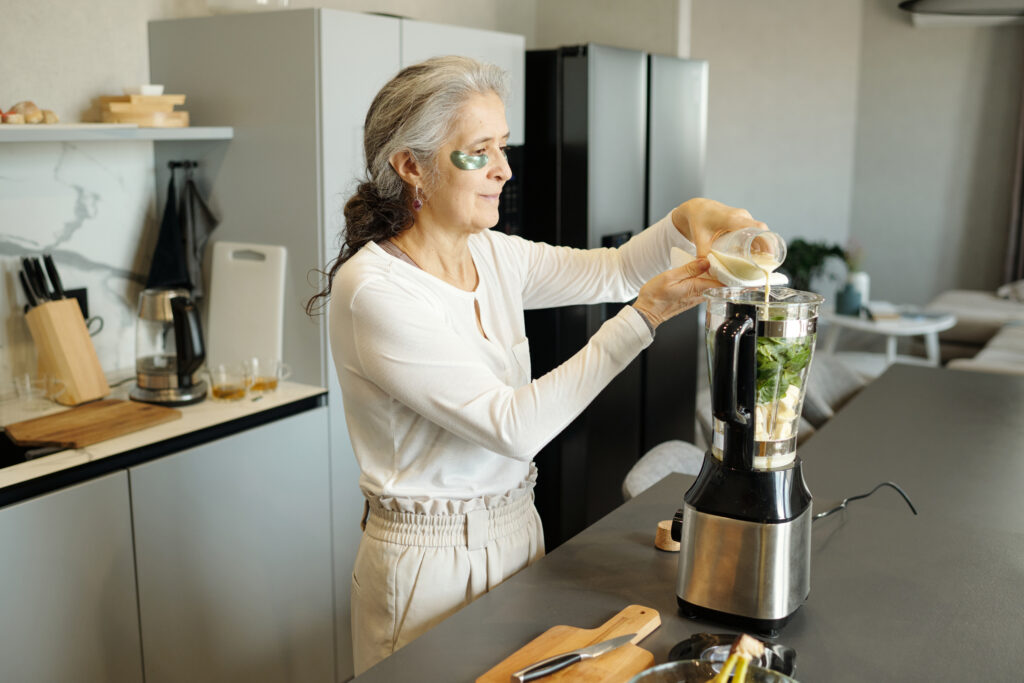
Smart Kitchen Modifications for Safe, Enjoyable, and Energy-Smart Cooking in Your Golden Years Do you remember the smell of fresh bread baking in your kitchen? Or the laughter of family members gathered around the table? The kitchen has always been the heart of the home—a place of warmth, comfort, and tradition. But as we grow older, what was once a safe and joyful space can also become a place of hidden risks. Slippery floors, heavy cookware, poor lighting, and hard-to-reach cabinets can make cooking challenging, even dangerous. The reassuring truth is that most of these risks can be reduced or even eliminated with smart kitchen modifications. This guide explores practical, affordable, and life-changing upgrades—including energy-saving practices—to help seniors continue cooking safely, confidently, and independently. 🧑🍳 Organize for Easy Access Bending low or climbing stools increases the risk of falls. Smart organization makes cooking safer and simpler. – Install pull-out shelves (18–24 inches deep, 20–25 kg capacity).– Use Lazy Susans for corner cabinets.– Store heavy cookware at waist height.– Label containers with large, clear print. 💡 Tip: Use a trash bin with a weighted base to prevent tipping. 🔧 Appliances Designed for Seniors Choose appliances designed with safety and convenience in mind: – Induction cooktops that stay cool to the touch.– Ovens with side-opening doors for safer access.– Counter-height microwaves (36–48 inches from floor).– Electric kettles with auto shut-off and 360° swivel base. 💡 Tip: Place large-print stickers on appliance buttons. 💡 Improve Lighting Good lighting is essential for safe cooking. – Install LED Daylight lights (4000–5000K, 600 lumens).– Add under-cabinet lighting to reduce shadows.– Use motion-sensor night lights for safe evening trips. 💡 Tip: Keep a small flashlight in a drawer for outages. 🪑 Sit Down While You Cook Standing for long periods can cause fatigue. Seated cooking helps. – Use sturdy stools with backrests and non-slip legs.– Consider height-adjustable counters for wheelchair use.– Place chairs with armrests near workspaces. 💡 Tip: Keep a lightweight stool near counters for meal prep. 🧴 Flooring and Fall Prevention Kitchen floors often get wet and slippery. Choose safe surfaces: – Vinyl flooring (slip resistance ≥ 0.6, 4–6 mm thick).– Cork for comfort, with protective seal.– Textured ceramic tiles (matte finish).– Avoid loose rugs or secure them with pads. 💡 Tip: Wipe spills immediately—even small ones. 📦 Smart Storage for Everyday Items Accessibility reduces risks of bending or stretching. – Store daily essentials at shoulder height.– Use magnetic strips for knives.– Organize utensils with drawer dividers.– Create a daily essentials shelf. 💡 Tip: Post emergency phone numbers on the fridge. 🧯 Fire and Burn Safety Prevent burns and kitchen fires with smart tools. – Keep a Class K fire extinguisher near the stove (1 m away).– Install smoke detectors (photoelectric type).– Turn pot handles inward to avoid spills.– Use long-cuff oven mitts. 💡 Tip: Replace oven mitts every year. 📱 Technology Helpers Smart technology adds safety and independence: – Smart plugs to turn off appliances remotely.– Voice assistants for hands-free recipes.– Loud timers for hearing-impaired users.– Smart refrigerators with expiration reminders. 💡 Tip: Program emergency contacts into your voice assistant. ⚡ Energy-Smart Kitchen for Seniors Save electricity while staying safe: – Switch to LED lighting; use motion sensors.– Cook with induction cooktops (more energy-efficient).– Unplug appliances when not in use.– Keep fridge at 3–4°C, freezer at -18°C.– Use pot lids to reduce cooking time. 💡 Tip: Energy efficiency means saving money—and protecting the planet. 🍎 Nutrition & Food Safety Food safety protects health as much as physical safety. – Store food in clear containers with labels.– Keep refrigerator at 40°F (4°C) or below.– Avoid reheating leftovers multiple times.– Prepare smaller portions to reduce waste. 💡 Tip: Label leftovers with purchase and expiration dates. 🆘 Emergency Preparedness Accidents may still happen—be prepared: – Keep a waterproof phone or medical alert device nearby.– Post emergency numbers clearly on the fridge.– Install smoke and heat detectors near the kitchen.– Label gas and electricity shut-offs clearly. 💡 Highlight: Present this section in a colored box for visibility. 👨👩👧 Family Involvement Family support makes kitchens safer and more enjoyable: – Children can help reorganize shelves and label items.– Grandchildren can cook alongside grandparents.– Families can perform monthly safety checks. 💡 Story: After a Chicago family reorganized their grandmother’s kitchen with pull-out drawers, she began teaching them her favorite recipes with confidence. 🏗️ Remodeling the Kitchen for Aging in Place Sometimes small modifications are not enough. Remodeling ensures long-term independence: – Zero-threshold entryways.– Wider doors for mobility aids.– Walk-in pantries with adjustable shelves.– Built-in seating near counters. 🔍 Myths vs Facts – Myth: Small kitchens are always safer. Fact: Cluttered kitchens are more dangerous. – Myth: Microwaves are risk-free. Fact: Overheated liquids can cause burns. – Myth: Experienced cooks don’t need safety tools. Fact: Safety tools help everyone. ✅ Quick Kitchen Safety Checklist – Pull-out shelves and labeled containers 📦– Induction cooktops 🔧– Bright LED lighting 💡– Non-slip flooring 🪟– Fire extinguisher & smoke alarm 🧯– Emergency contacts on fridge 📞– Energy-efficient practices ⚡ 🌿 Conclusion Kitchen safety is not about restriction—it’s about freedom. With brighter lighting, safe flooring, smart appliances, and energy-saving practices, seniors can enjoy independence, confidence, and peace of mind. Cooking is love, tradition, and joy. By making smart modifications, seniors can continue creating meals, memories, and moments with the people they cherish. Remember: A safe kitchen is a happy kitchen—and it’s never too late to make it yours.

Smart Budgeting After 60 Your Complete Guide to Financial Confidence in Retirement Meet Margaret, a vibrant 72-year-old who loves her gardening and weekly bridge games. After retirement, she found herself worrying constantly about money—would her savings last? Was she spending too much on groceries? Then she discovered simple budgeting techniques that transformed her financial anxiety into confidence. Like Margaret, many seniors find that traditional budgeting advice doesn’t quite fit their retirement lifestyle. **The good news is that budgeting after 60 isn’t about restriction—it’s about empowerment and making your money work for the life you want to live.** This comprehensive guide will provide you with practical, stress-free strategies to manage your finances, protect your savings, and focus on enjoying your well-earned retirement years. Part 1: Building Your Financial Foundation – Understanding Cash Flow Step 1: Map Your Monthly Income A clear picture of your income is the cornerstone of your retirement budget. Start by listing all your regular income sources: Social Security benefits Pension payments Retirement account withdrawals (IRA, 401k) – Be sure to follow Required Minimum Distributions (RMDs) or a sustainable withdrawal rate advised by a financial planner. Annuity payments Part-time work or income from hobbies Investment income (dividends, interest) Rental income → Pro Tip: Create a simple “Income Calendar” marking when each payment arrives throughout the month. This visual aid helps you see your cash flow clearly and avoid timing issues with bills. Step 2: Track and Categorize Your Expenses Understanding where your money goes is not an exercise in judgment, but in awareness. Categorize your expenses to see where you can make adjustments. Fixed Necessities (Needs): Housing: Mortgage/rent, property taxes, insurance, HOA fees Healthcare: Medicare premiums, supplemental insurance, medications Utilities: Electricity, water, gas, phone, internet Transportation: Car payment, insurance, fuel, or public transit costs Food: Groceries and essential household items Debt Payments: Credit cards, personal loans Flexible Lifestyle Expenses (Wants & Flexible Needs): Dining Out & Entertainment: Restaurants, movies, subscriptions Travel & Vacations: Flights, hotels, vacations Hobbies & Leisure: Crafts, golf, club memberships Gifts for Family & Friends Personal Care: Haircuts, salon services Home Maintenance & Repairs → Action Item: For one month, track every dollar you spend. Use a notebook, a simple spreadsheet, or a budgeting app. This will reveal your true spending habits and highlight areas for potential savings. Part 2: Creating Your Senior-Friendly Budget Plan The 50/30/20 Rule – Simplified for Seniors Instead of complicated percentages, think of this classic rule in simple terms: 50% for Essentials (Needs): Covers your basic survival needs—a roof, food, healthcare, and transportation. 30% for Enjoyment (Wants): For travel, dining out, hobbies, and gifts. 20% for Safety (Savings & Debt): For emergency funds, future needs, and paying debt. Remember: This is a flexible guideline. Adjust the percentages to fit your personal situation and health needs. Easy Tracking Methods 📓 The Low-Tech Option: Use a notebook divided into spending categories. Recording daily expenses takes 5 minutes and keeps you conscious of your budget. 📱 The Digital Option: Use senior-friendly budgeting apps like: EveryDollar: Simple zero-based budgeting Mint: Free, automatic spending categorization SilverBills: Dedicated bill-management service Part 3: Advanced Strategies to Stretch Your Retirement Income Smart Ways to Reduce Expenses Without Sacrificing Quality of Life 🏥 Healthcare Savings: Review Medicare Plans Annually (Oct 15–Dec 7) Ask About Generic Medications Use Senior Discounts 🛒 Grocery & Shopping Strategies: Plan Meals Around Sales Use Senior Discount Days Try Grocery Delivery to avoid impulse buys 🏡 Housing Efficiency: Get a Free Energy Audit from your utility company Consider Downsizing for easier maintenance Explore a Reverse Mortgage (consult an advisor first) Maximizing Your Income 💡 Often Overlooked Resources: Always ask for Senior Discounts everywhere Investigate Tax Benefits (property tax relief or deferral) Tap into Community Resources (meals, transportation, social activities) 📞 Part-Time & Hobby Income: Flexible Work (tutor, greeter, remote jobs) Monetize Hobbies (crafts, blogging, gardening) Pet or House Sitting 🆘 Emergency Budget Kit: Your Plan for Unexpected Expenses 🚨 Immediate Action Plan Don’t Panic: Stay calm and think clearly. Contact Creditors: Most will arrange payment plans if you reach out early. Prioritize Ruthlessly: Focus on housing, utilities, food, and medical care. Reach Out for Help: Local Area Agency on Aging: Connect to support services National Council on Aging Benefits CheckUp: Find benefits you qualify for Family Members: Ask for temporary support if needed 💡 Long-Term Prevention Plan Build an Emergency Fund, No Matter How Small.Start saving $20–$50 a month. Keep it separate for true emergencies. Over time, it becomes your safety net. Staying Safe from Financial Scams Seniors are often targeted by scammers. Protect yourself: Guard Your Information: Never give out personal info on unsolicited calls. Monitor Your Accounts: Regularly review bank and card statements. When in Doubt, Hang Up: Legitimate companies don’t pressure you for money or data. Conclusion: Your Journey to Financial Confidence Remember Margaret from the start? She now teaches budget coaching at her senior center. Budgeting after 60 isn’t about counting pennies—it’s about making them count.It’s your key to enjoying time with loved ones, hobbies, and peace of mind. Start small. Be kind to yourself. Celebrate progress.You’ve earned this security, comfort, and confidence. 🔗 Helpful Tools & Resources: Free Budget Worksheet: National Council on Aging (NCOA) App Recommendation: EveryDollar Book: The Retirement Budget Calculator by Jane Smith
Smart Budgeting After 60: Your Complete Guide to Financial Confidence in Retirement Read More »

Senior Scam Alert How to Stay Safe from Common Frauds Scams targeting seniors are increasingly sophisticated. They exploit not just finances but emotions, trust, and sometimes loneliness. Whether it’s a phone call from someone pretending to be a grandchild, an urgent email claiming to be your bank, or a seemingly friendly social media message, the danger is real. Understanding how scammers operate, recognizing warning signs, and implementing practical safeguards can make all the difference in keeping your money and peace of mind safe. 1. Phone Scams: The Persistent Threat Phone scams are one of the oldest yet most effective ways fraudsters reach seniors. They often pretend to be from your bank, Medicare, Social Security, or even a family member in distress. The key red flags include urgent requests, secrecy, and unusual payment methods. Tips: Always hang up first if anything feels off. Call back using a known number from your statement or the official website. Take your time to think and consult a family member if unsure. Remember: Legitimate organizations never pressure you to act immediately or ask for secrecy. 2. Tech Support Scams Scammers claim your computer has a virus or is compromised, urging you to give remote access or pay for ‘repairs.’ These calls can be very convincing and use official-sounding names. Tips: Never provide remote access to strangers. Do not click on unexpected pop-ups. Contact a trusted local technician or family member. Keep your operating system and antivirus updated to prevent vulnerabilities. 3. Digital & Social Media Scams Digital scams are rapidly evolving and can be harder to detect: Phishing Emails: Pretend to be from your bank, Social Security, or popular websites, asking you to click a link or provide login information. Never click links from unknown sources. Smishing (Text Scams): Text messages may claim your account is locked or that you’ve won a prize. Ignore, block the number, and never respond. Social Media Impersonation: Hackers or fake accounts can pretend to be friends or family, requesting money urgently. Verify by calling the person directly or checking another trusted channel Tip: Always look for suspicious signs, such as grammatical errors, pressure to act immediately, or requests for money through unusual methods. 4. Romance Scams Loneliness can make seniors vulnerable to online romance scams. Scammers build trust over weeks or months, then fabricate emergencies requiring financial help. Tips: Never send money or share financial details with someone you haven’t met in person. Be cautious if the relationship moves very quickly. Talk to a trusted friend or family member before sending any money. 5. Grandparent Scam Scammers pretend to be a grandchild in trouble, often in urgent situations like an accident or legal trouble. They ask for money immediately and insist on secrecy. Tips: Hang up immediately. Use a family password or code word to verify authenticity. Contact other family members directly to confirm the story. 6. Gift Card & Payment Red Flags Fraudsters often demand payment via gift cards or unusual payment methods, claiming it’s for taxes, fees, or technical services. Remember: No legitimate agency, bank, or tech company will ever request payment with gift cards. Treat any such demand as an automatic scam warning. 7. Verify, Then Trust Verification is your strongest defense: Search Official Numbers Never trust numbers provided by the caller. Use your bills, official statements, or websites.Family Passwords Establish a simple password that only your family knows. Ask it if someone claims to be a loved one. If they don’t know it, hang up. Don’t be rushed. Take a moment, talk to someone you trust, and check before acting. 8. Protecting Online Accounts & Financial Safety Keeping online accounts secure is crucial: – Use strong, unique passwords for banking, email, and social media.– Enable two-factor authentication whenever possible.– Monitor account statements regularly for unauthorized activity.– Educate yourself about new scam trends targeting seniors online. 9. Real-Life Story Eleanor, 72, received a call that her grandson was in jail and needed money immediately. The caller sounded convincing and even knew personal details. Eleanor remembered her local senior workshop advice: hang up and verify directly with the family. She called her daughter and found her grandson safe. This quick verification prevented a costly scam. 10. Tools That Can Help Technology can assist in blocking scams: – **Call-blocking devices and apps**: Filter unwanted calls automatically.– **Trusted examples**: Look for highly rated options suitable for seniors. One example many seniors use is **CPR Call Blocker V5000**. 🔗 [Check CPR Call Blocker V5000 on Amazon](https://www.amazon.com/CPR-Call-Blocker-V5000/dp/B00MWQ0XVU) *Alt Text:* A senior-friendly CPR Call Blocker device on a table, designed to stop scam calls. 11. Top Myths About Scams – **Myth 1: ‘I’m too smart to be scammed.’** Even educated individuals can fall victim.– **Myth 2: ‘Scams only happen online.’** Phone, mail, and in-person scams are equally common.– **Myth 3: ‘If they know my personal details, they must be real.’** Scammers often gather information from public sources or social media. 12. Resources You Can Trust – **Federal Trade Commission (FTC)**: [www.consumer.ftc.gov](https://www.consumer.ftc.gov)– **AARP Fraud Watch Network**: [www.aarp.org/fraudwatchnetwork](https://www.aarp.org/fraudwatchnetwork)– **National Council on Aging (NCOA)**: [www.ncoa.org](https://www.ncoa.org) Conclusion Protecting yourself from scams means living with awareness and caution, not fear. By recognizing warning signs, verifying identities, securing your online and financial accounts, and using available tools, seniors can maintain financial safety and peace of mind. Stay informed, stay vigilant, and share knowledge with friends and family to build a community of protection. Sharing your experiences and warning signs with friends and family not only helps protect them but also strengthens your own awareness. This simple habit can create a network of vigilance in your community. When using call-blocking devices or apps, take the time to explore settings, customize filters, and regularly update software. This ensures maximum protection against new scam tactics. Remember, vigilance is not a one-time action. Regularly reviewing your financial statements, updating passwords, and discussing suspicious contacts with loved ones keeps your defenses strong and adaptable.
Senior Scam Alert: How to Stay Safe from Common Frauds Read More »