eamara1st

Bathroom Safety for Seniors: Essential Upgrades for Independence

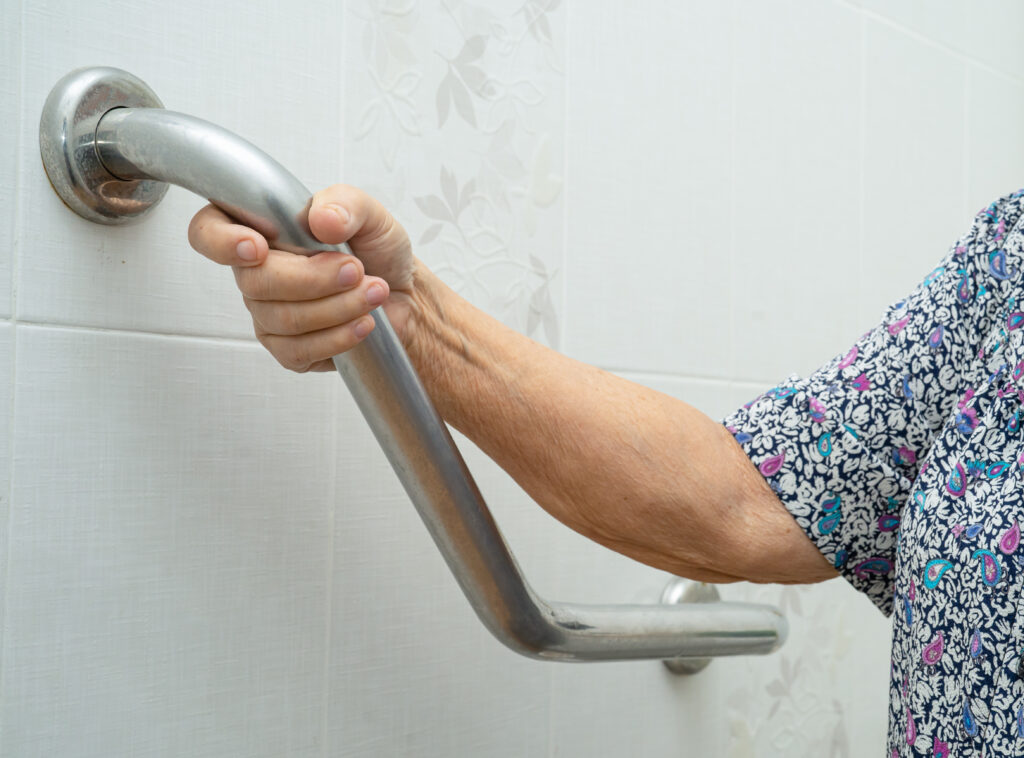
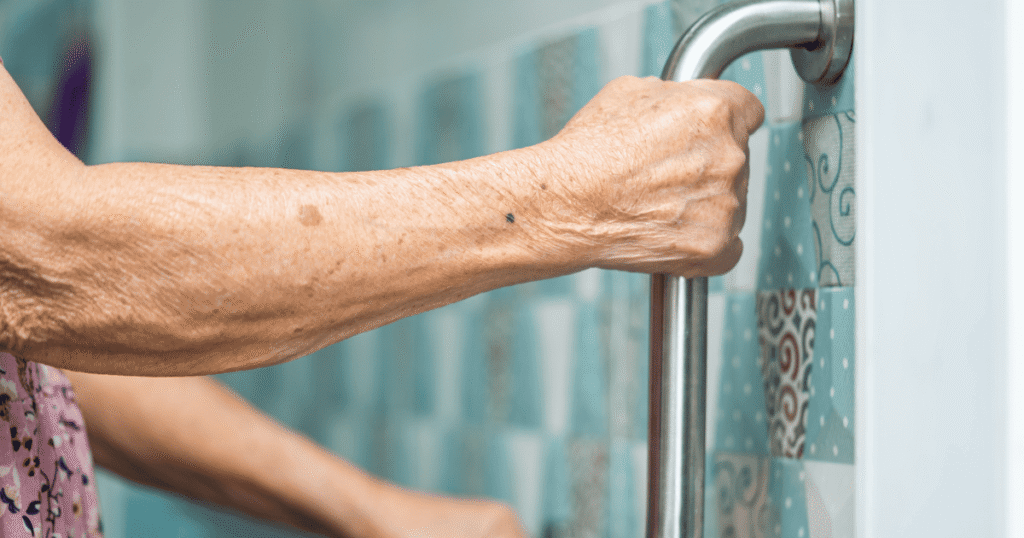
Bathroom Safety for Seniors : Essential Upgrades for Independence Do you ever feel a little anxious stepping into the bathroom, especially at night or when the floor feels damp? You’re not alone. For many seniors, the bathroom is the most dangerous room in the house. According to the CDC, nearly 80% of falls at home for older adults occur in the bathroom. Hard tiles, slippery surfaces, and constant bending or standing make this room high-risk. But here’s the hopeful truth: with thoughtful upgrades—many simple and affordable—you can transform your bathroom from a danger zone into a space of safety, comfort, and confidence. Bathroom safety is not about restriction. It’s about protecting independence, dignity, and peace of mind. 🚪 Why the Bathroom Deserves Priority  Falls are the leading cause of senior injuries worldwide.  Bathroom falls often result in hip fractures, head injuries, or long-term disability.  Hard, wet surfaces amplify the risk compared to living rooms or bedrooms.  Safety upgrades reduce not only accidents but also fear, allowing seniors to maintain privacy and independence. Investing in bathroom safety is not a luxury—it’s a necessity. 🛠️ Grab Bars: Your Best Safety Friend Grab bars are the number-one upgrade for bathroom safety. What to Install:– Weight-rated grab bars (not towel racks).– Rust-resistant, textured finishes for wet hands.– Decorative options that blend with modern design. Where to Place:– Toilet area: Horizontal bar or safety frame.– Shower/tub: Vertical bar outside, horizontal bars inside.– Hallways near the bathroom: For added stability. 💡 Case Study: Mr. Hassan, 74, regained independence after his children installed grab bars by the tub and toilet. He now showers alone with confidence. 🛁 Conquer Slippery Surfaces with Non-Slip Solutions Slippery tiles are silent hazards. Simple Fixes:– Non-slip mats inside the shower/tub with suction backing.– Absorbent mats outside sinks and tubs to catch water.– Adhesive strips or decals on the floor for permanent grip.– Textured vinyl or anti-slip coatings if renovating. 💡 Tip: Choose brightly colored mats for better visibility and contrast. 🪑 Add Seating: Shower Chairs and Benches Standing for long showers can be exhausting or risky. Options:– Shower chair: Lightweight, portable, easy to clean.– Transfer bench: Spans the tub edge; sit down outside, slide across safely.– Fold-down wall seats: Save space in smaller bathrooms. 💡 Example: Mrs. Helen, 80, eliminated near-falls when her granddaughter bought her a transfer bench. 🚽 Adjust Toilet Height for Safer Transfers Low toilets strain knees and hips, making sitting and standing difficult. Solutions:– Raised toilet seats that clip onto existing toilets.– Toilet safety frames with sturdy armrests.– Comfort-height toilets (taller by 2–3 inches). 💡 Practical Note: Raised seats cost as little as $30, while permanent installations offer long-term stability. 🔧 Improve Faucet Accessibility Arthritis and reduced grip strength make twisting knobs difficult. Upgrades:– Lever handles that work with a hand, wrist, or elbow.– Touchless faucets for seniors with limited mobility.– Anti-scald faucets with automatic temperature control. 💡 Tip: Place handles within easy reach without leaning. 💡 Enhance Lighting and Reduce Clutter Half of bathroom falls occur at night. Lighting:– Motion-sensor night lights along the path to the bathroom.– Bright LED bulbs (daylight tone) for full visibility.– Illuminated switches for easy access in the dark. Clutter Control:– Remove laundry baskets, loose towels, and rugs.– Keep essentials at waist-to-shoulder height.– Use wall-mounted shelves or caddies to free floor space. 🛡️ Protect Against Hot Water Scalds Scalds are often overlooked but dangerous. – Install anti-scald devices on showerheads and faucets.– Set the water heater to no more than 120°F (49°C).– Always test water temperature before use. 💡 Tip: Seniors with neuropathy (reduced sensation) are especially vulnerable—scald protection is essential. 📦 Smarter Storage and Organization Overstretching or bending can cause imbalance. – Use pull-out shelves or sliding drawers.– Keep heavy items at waist level.– Install shower caddies for easy access to soaps and shampoos.– Label shelves clearly for quick recognition. 🧘 Stay Physically Strong Even with the best safety features, physical strength is vital. – Practice chair exercises for legs and arms.– Gentle yoga or tai chi builds balance and flexibility.– Daily walks, even short ones, maintain endurance. 💡 Statistic: Seniors who engage in balance exercises reduce fall risk by up to 30%. 🆘 Emergency Preparedness in the Bathroom Accidents can still happen—be ready. Steps if You Fall:1. Stay calm and breathe deeply.2. If not injured, roll onto your side and crawl to a sturdy surface.3. Use grab bars or fixtures to rise slowly.4. If injured, use a waterproof phone or medical alert device.5. Shout for help if necessary. 💡 Tip: Keep a waterproof phone or emergency button within arm’s reach of the toilet and shower. 🏗️ Bonus: Remodeling for Aging in Place Sometimes small upgrades aren’t enough. If you’re renovating, consider: – Walk-in tubs or zero-threshold showers.– Slip-resistant flooring throughout the bathroom.– Wider doorways for wheelchair access.– Built-in benches and recessed shelving. These changes require investment but provide long-term peace of mind. 👨‍👩‍👧 Family Involvement: A Shared Responsibility Families play a crucial role in supporting bathroom safety. – Help parents or grandparents reorganize bathrooms.– Conduct monthly safety checks together.– Offer to install grab bars or motion lights.– Encourage use of medical alert systems without stigma. 💡 Story: A family in Chicago bought their grandmother a fold-down shower seat and installed night lights, reducing her fear of nighttime bathroom visits. 🔍 Myths vs. Facts About Bathroom Safety – Myth: Grab bars make bathrooms look like hospitals.  Fact: Modern designs blend beautifully with dĂŠcor. – Myth: Only frail seniors fall.  Fact: Even strong, active adults can slip on wet tiles. – Myth: A small bathroom is safe.  Fact: Tight spaces increase the risk of bumping into hard surfaces. ✅ Quick Bathroom Safety Checklist – Install grab bars 🚿– Use non-slip mats 🛁– Add a shower chair or bench 🪑– Raise toilet seat 🚽– Replace knobs with lever handles 🔧– Brighten lighting 💡– Remove clutter 🚫– Keep essentials within reach 📦– Install anti-scald devices 🔥– Have an emergency device nearby 🆘 🌿 Conclusion Bathroom safety upgrades are not about losing independence—they’re about

Bathroom Safety for Seniors: Essential Upgrades for Independence Read More Âť

Accessibility Makeover: Simple Steps to Create a Safe, Senior-Friendly Home

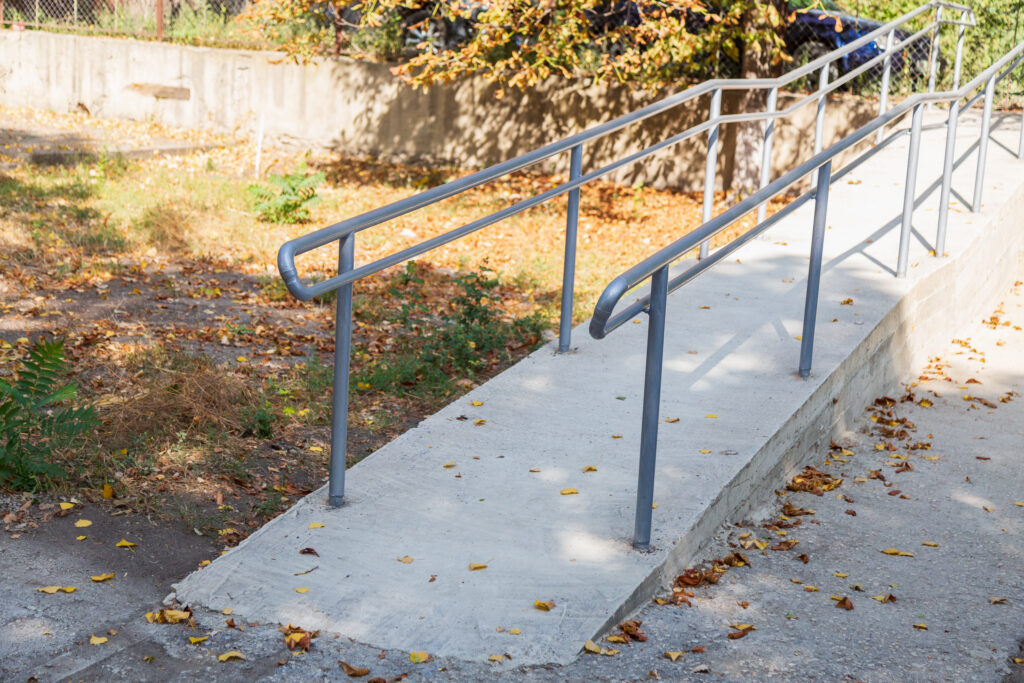
Accessibility Makeover: Simple Steps to Create a Safe, Senior-Friendly Home For most of us, there’s no place like home. It’s filled with memories, comfort, and a deep sense of belonging. As we age, making sure our home can continue to support us safely and comfortably becomes a top priority. The goal isn’t to turn your house into a clinical space, but to thoughtfully adapt it to your changing needs, allowing you to live independently and with confidence. This guide will walk you through practical, often simple changes you can make in every room for a full-home accessibility makeover. Why a Senior-Friendly Home Matters A senior-friendly home, often called “aging in place” design, focuses on preventing accidents, reducing physical strain, and promoting ease of movement. It’s about removing small barriers that can become big obstacles—like a high step into the shower or a dark hallway. These modifications aren’t about giving up your independence; they’re about protecting it. By proactively making these changes, you invest in your ability to enjoy your home and your life to the fullest. 1. The Front Entrance: A Welcoming and Safe Start The journey into your home should be smooth and secure. A safe entrance prevents trips and makes coming home a pleasure.   *   **Modifications:**     *   **Ramp it Up:** Replace or supplement outdoor steps with a gently sloping ramp with handrails on both sides.     *   **Let There Be Light:** Ensure the entrance is well-lit with motion-sensor lights to illuminate your path automatically at night.     *   **Non-Slip Surface:** Make sure the landing and any steps have a non-slip surface, especially in wet or icy weather.     *   **Lever Handles:** Replace round doorknobs with lever-style handles, which are much easier to operate for arthritic hands. 2. The Living Room: Comfortable and Clutter-Free The living room is for relaxing, but furniture arrangements and clutter can create hidden hazards.   *   **Modifications:**     *   **Clear Pathways:** Arrange furniture to create wide, clear pathways for walking, ideally 36 inches wide, to accommodate a walker or wheelchair if needed.     *   **Secure Rugs:** Remove throw rugs entirely or secure them firmly with double-sided tape to prevent tripping.     *   **Seating Support:** Choose firm chairs and sofas that are at a height that makes sitting down and standing up easier (generally around 18-20 inches tall). Chairs with arms provide crucial leverage.     *   **Cord Control:** Tack down electrical cords against baseboards so they are out of walking paths. 3. The Bedroom: A Sanctuary for Restful Sleep Your bedroom should be a peaceful retreat that is easy to navigate, even in the dark.   *   **Modifications:**     *   **Bed Height:** Your bed should be easy to get in and out of. If it’s too low, use bed risers to increase the height. If it’s too high, a sturdy step stool with a handle might help.     *   **Nightlights are Essential:** Use plug-in nightlights or motion-activated lights to create a well-lit path from the bed to the bathroom.     *   **Closet Accessibility:** Lower closet rods and shelves so clothes are within easy reach. Consider using open baskets instead of heavy drawers.     *   **Phone Access:** Keep a telephone, cell phone, or medical alert device on your bedside table. 4. The Hallways and Stairs: Creating Safe Passageways These are the highways of your home; keeping them clear and well-supported is critical.   *   **Modifications:**     *   **Lighting:** Hallways and staircases should be brightly lit. Install easy-to-find light switches at both ends.     *   **Stair Safety:** Ensure stairs have handrails on both sides that run the entire length of the staircase. Make sure the rails are sturdy.     *   **Contrasting Edges:** Put brightly colored tape on the edge of each step to make them more visible and prevent missteps.     *   **Clear Path:** Keep hallways completely free of clutter, shoes, or other objects. 5. The Kitchen: The Heart of the Home, Made Safer We covered this in detail in our “Smart Kitchen Modifications” article, but the key principles are: *   **Reduce Reaching and Bending:** Store everyday items in easy-to-reach places. *   **Sit to Work:** Use a sturdy stool for food prep. *   **Improve Lighting:** Under-cabinet lights are a game-changer. *   **Choose User-Friendly Tools:** Lever faucet handles and easy-grip utensils. 6. The Bathroom: The Most Important Room to Modify As discussed in “Bathroom Safety Upgrades,” focus on: 💡 Story: Mary, age 68, added grab bars and a handheld showerhead. She regained her confidence to shower alone safely and comfortably. [Insert Image: Bathroom with shower chair and grab bars] *   **Grab Bars:** Install them in the shower/bathtub and near the toilet. *   **Non-Slip Surfaces:** Use mats and adhesive strips. *   **Seating:** A shower chair or bench is essential. *   **Toilet Height:** Consider a raised toilet seat or comfort-height toilet. 7. General Lighting and Technology: The Final Touches Good lighting and smart tech can tie your entire home together for safety.   *   **Modifications:**     *   **Brighten Every Corner:** Increase wattage in lamps and overhead lights to reduce shadows and glare. Task lighting is your friend.     *   **Smart Home Help:** Voice-activated devices like Amazon Echo or Google Home can allow you to control lights, thermostats, and even call for help with just your voice.     *   **Medical Alert Systems:** Wearable pendants or watches with fall detection and a button to call for emergency help provide immense peace of mind for you and your family. Conclusion: Your Home, Your Haven for the Long Term Remember: Your safety at home is our happiness. سلامتك في منزلك هي سعادتنا. Take the first step today and keep creating beautiful memories with those you love. Creating a senior-friendly home doesn’t mean you have to do everything at once. It’s a journey. Start with the most critical areas, like the bathroom and entryway. Tackle one project at a time, and don’t hesitate to ask family for help or consult an occupational therapist for professional advice. Remember, each change you make is a gift to your future self—a step toward preserving your

Accessibility Makeover: Simple Steps to Create a Safe, Senior-Friendly Home Read More Âť

📝 10 Essential Fall Prevention Tips Every Senior Needs

📝 10 Essential Fall Prevention Tips Every Senior Needs Falls are one of the most common and serious risks for seniors. According to the CDC, one in four adults over age 65 experiences a fall each year, and nearly 3 million of them require emergency room visits. The consequences can range from bruises and sprains to hip fractures and even long-term loss of independence. The encouraging news? Most falls can be prevented. With a safer home environment, healthier habits, and a few practical changes, seniors can reduce their risk dramatically. This guide explores 10 essential fall prevention tips designed to keep seniors safe, active, and confident in their daily lives. 1. Install Grab Bars in Key Areas [Insert Image: Bathroom grab bar installed near shower] Bathrooms and hallways are two of the riskiest areas for falls. Adding sturdy grab bars next to toilets, showers, and along narrow hallways provides stability and reduces anxiety. Choose non-slip grips that stay firm even when wet. Position them at a comfortable height that matches the senior’s reach.💡 Example: Mrs. Amina, 71, said her new shower grab bar gave her the confidence to shower without fear of slipping. 2. Remove Floor Hazards Clutter, loose rugs, and electrical cords can turn into dangerous tripping points. A fall prevention audit often starts by decluttering and securing the floor. Use non-slip backing or double-sided tape for rugs. Keep pathways clear of furniture and low objects. Coil or tape cords along the wall.💡 Did you know? 40% of senior falls happen because of small home hazards that can be fixed in minutes. 3. Improve Home Lighting [Insert Image: Motion-sensor hallway light] Poor lighting makes it difficult to spot obstacles. Increasing brightness and using warm, glare-free bulbs can prevent missteps. Place motion-sensor night lights in bedrooms, bathrooms, and hallways. Add strong lighting to stairways and entrances. Open curtains during the day to maximize natural light.💡 Tip: Replace switches with larger rocker switches for easier use. 4. Wear Supportive Footwear [Insert Image: Non-slip senior shoes with firm grip] Slippers without backs, flip-flops, or socks on slick floors are risky. Proper shoes reduce slips and help maintain balance. Choose non-slip soles with good grip. Look for shoes with firm ankle support. Avoid high heels or overly worn shoes.💡 Practical tip: Keep one pair of supportive shoes just for indoor use. 5. Use Non-Slip Mats in Bathrooms and Kitchens Moisture is a top cause of slips. Non-slip mats offer simple yet powerful protection. Place rubber-backed mats near sinks, showers, and bathtubs. Use absorbent mats that stay firm when wet. Check mats regularly to ensure they don’t curl or slide. 6. Keep Frequently Used Items Within Reach Reaching or climbing often leads to accidents. Organize daily essentials so they are easy to access. Store medications, dishes, and toiletries at waist or shoulder level. Use pull-out shelves, lazy Susans, and reacher tools. Avoid step stools or ladders whenever possible.💡 A small kitchen redesign with pull-out drawers can reduce bending and improve safety dramatically. 7. Stay Physically Active 💡 Extra Tip: Light exercises like Tai Chi or a 20-minute daily walk can improve balance and reduce fall risk significantly. Strong muscles and good balance are the body’s best defense against falls. Regular activity keeps seniors steady and confident. Gentle strength training, like resistance bands, improves stability. Tai chi and yoga enhance balance and flexibility. Walking or swimming builds endurance.💡 Research shows seniors who exercise regularly reduce fall risk by up to 30%. 8. Schedule Regular Vision and Hearing Checks Falls often occur because seniors simply don’t see or hear hazards clearly. Have yearly eye exams to update glasses prescriptions. Consider bifocals or progressive lenses with caution on stairs. Hearing aids can help detect alarms, voices, or approaching vehicles.💡 Tip: Keep spare glasses in multiple rooms to avoid risky movements when vision is blurry. 9. Review Medications with a Doctor 💡 Extra Tip: Drink enough water throughout the day to avoid dizziness and dehydration, which can increase fall risk. Certain medications can cause dizziness, low blood pressure, or drowsiness. These side effects may increase fall risk. Review prescriptions twice a year. Ask about alternatives if dizziness or imbalance occurs. Keep an updated list of medications handy for emergencies.💡 Practical step: Use a pill organizer and set reminders to avoid double doses. 10. Consider Medical Alert Systems 🚨 Highlight: Treat this section as your emergency quick-guide. Even with the best prevention, accidents may still happen. A medical alert system ensures quick help. Wearable pendants or wristbands allow seniors to call for assistance instantly. Advanced models include automatic fall detection. Subscription plans often cover 24/7 emergency response.💡 Example: Mr. Ali, 78, was rescued quickly after a fall because his device automatically alerted responders. Bonus: Myths vs. Facts About Falls Myth: “I’m healthy, so I won’t fall.”Fact: Even active seniors face risks in poorly lit or cluttered environments. Myth: “Using a cane means I’m weak.”Fact: Canes and walkers are tools for independence and safety. Myth: “Falls only happen outdoors.”Fact: Most falls occur inside the home. Quick Fall Prevention Checklist ✅ Clear walkways and remove loose rugs✅ Install grab bars in bathroom and hallway✅ Brighten staircases and entryways✅ Wear supportive, non-slip shoes✅ Schedule vision and hearing exams✅ Review medications regularly✅ Keep essentials within reach 🌿 Conclusion Falls can be life-changing, but they don’t have to be part of aging. By making small adjustments at home and adopting healthier routines, seniors can dramatically lower their risk of injury. The most important step is being proactive today—before a fall happens. Encourage your loved ones to follow this checklist, and remember: fall prevention is not about restriction, but about freedom and confidence to live independently.  

📝 10 Essential Fall Prevention Tips Every Senior Needs Read More »

Smartwatches for Seniors: Your New Health & Safety Companion in 2025

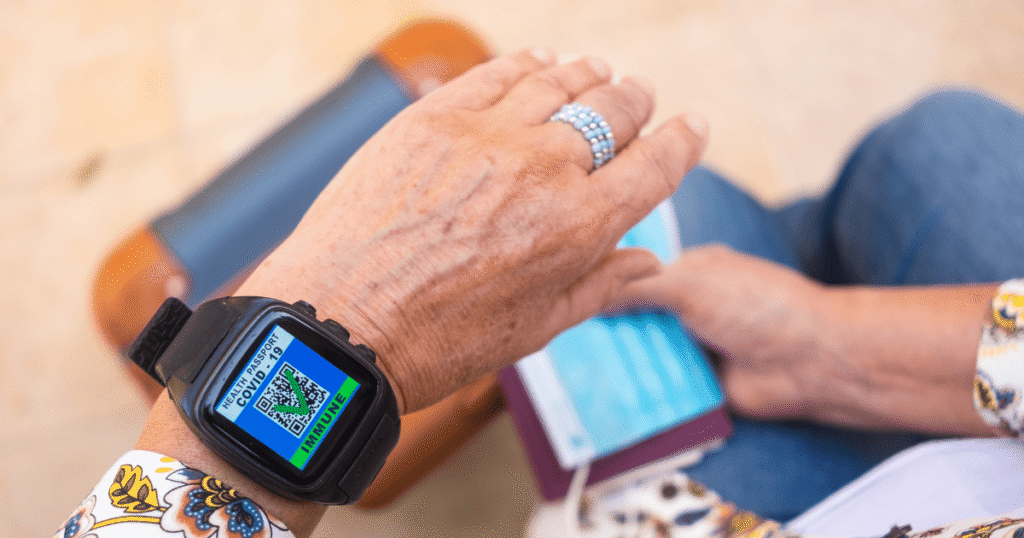
Smartwatches for Seniors: Your New Health & Safety Companion in 2025 Introduction: A New Friend on Your WristImagine having a little friend on your wrist that keeps an eye on your heart, reminds you to take your medications, and even calls your loved ones if you need help — all without lifting a finger. That’s what smartwatches do. They’re not just timepieces; they’re friendly companions and personal guardians designed to bring you and your family peace of mind. 1. What Is a Smartwatch and Why Does It Matter for Seniors? A smartwatch is designed to assist you, not to confuse you. Here’s what it can do: Monitor Your Heart: Tracks your heart rate and alerts you if something is off. Fall Detection: Senses if you fall — God forbid — and automatically notifies your family or emergency services. Reminders: Notifies you to take your medications or go for a short walk. Peace of Mind for Family: Your loved ones can monitor your health and activity from afar and feel reassured. 2. Key Features That Make a Difference You don’t need fancy features. Just make sure the watch has the following: Fall Detection: A must-have. If you fall, the watch will ask if you’re okay. If there’s no response, it immediately alerts your emergency contacts. SOS Button: A big, visible button to call for help with one press. Heart & Step Monitoring: Shows your daily steps and heart rate at a glance. Encourages activity and supports wellness. Medication Reminders: The watch gently vibrates and gives you a soft sound reminder to take your pills. Large, Clear Screen: Bright, bold text that’s easy on the eyes. Long Battery Life: Lasts for days on one charge, reducing the hassle of daily charging. 3. Understanding Your Health Reports Taking care of your health begins with awareness. Your smartwatch health report is your personal guide to understanding your body better. Don’t worry about the numbers — these reports are your friend, helping you listen to your heartbeat, your steps, and your daily patterns. Most modern smartwatches generate a daily or weekly health report. While these reports may look complicated at first, they are actually powerful tools once you learn how to read them. 📋 What Does the Health Report Include? Here’s a breakdown of common terms you’ll see in your smartwatch health report: Item What It Means What to Watch For Heart Rate Number of beats per minute (BPM) Normal resting range: 60–100 BPM. If it’s consistently above 100 or below 50 (without exercise), talk to your doctor. Steps How many steps you walked today Start with 2,000 steps and increase by 500 each week. Consistency matters more than big numbers. Sleep Hours and quality of your sleep Look at balance between deep and light sleep. Quality is more important than hours alone. Blood Oxygen (SpO₂) Oxygen saturation in your blood Should usually be above 95%. Frequent drops, especially at night, should be discussed with your doctor. Activity Level Minutes of movement throughout the day Try to move regularly, even for a few minutes at a time. 💡 Tips for Reading Reports Like a Pro:  Don’t stress if your numbers aren’t perfect every day. Focus on long-term patterns.  Watch for trends: Is your sleep improving? Are you staying active?  Listen to gentle reminders like “Time to walk” or “Take a rest” — they’re helpful nudges, not alarms.  Share your report with your doctor. It gives them a real-life snapshot of your daily health. 📈 Using Your Report With Your Doctor:  Tell your doctor you’re using a smartwatch for health monitoring.  Show them charts of your heart rate, steps, or sleep patterns.  Remember: the smartwatch is a support tool, not a substitute for professional diagnosis. 🌟 Real-Life Story: Grandma Fatima (72 years old) noticed from her smartwatch reports that her resting heart rate was higher than usual for three consecutive days. She shared the data with her doctor, who adjusted her blood pressure medication in time. The smartwatch helped her catch a problem before it became serious. 🧠 Always Remember: Your smartwatch doesn’t replace your doctor, but it does give you early signals to help you and your healthcare team make better decisions. Start each day with greater awareness — your health is worth it. 💚 “Heart Rate: 75 bpm”: This means your heart beats 75 times per minute. That’s a healthy, normal range. “Steps Walked: 3,000”: Great job! Try to add 100 more steps each day. Movement is medicine. “Sleep: 7 hours”: Well done. That’s a good night’s rest and helps your mind and body recover. 4. Real-Life Stories: How Smartwatches Saved the Day Grandma Samia (Age 72): She slipped in the bathroom. Her watch detected the fall and called her son immediately. He arrived within 10 minutes. She said, “It could have been a disaster if no one knew.” Grandpa Abdullah (Age 80): His kids live abroad. His smartwatch shares his step count and heart health with them daily. He said, “I live alone, but they feel close to me.” Grandma Fatima (Age 75): Suffers from high blood pressure. Her smartwatch’s health data became a helpful daily reference for her doctor, enabling him to adjust her medication accurately. 5. Best Smartwatches for Seniors in 2025 🛒 You can find these watches on Amazon Saudi Arabia or Noon.com, with doorstep delivery. SeniorSafe Pro Watch: Features: Large SOS button, accurate fall detection, oversized screen. Price: ~450 SAR. [Amazon link] EasyCare Watch 2025: Features: Strong medication reminders, 5-day battery, easy charging. Price: ~380 SAR. [Amazon link] Apple Watch SE with Cellular: Features: Advanced fall detection, cellular calls without phone, great for tech-savvy users. Price: ~999 SAR. [Amazon link] 6. How to Choose the Right Watch (5 Easy Tips) Ease of Use: Choose a watch with large buttons or a simple touchscreen. Battery Life: Make sure it lasts more than 2 days on a full charge. Water Resistance: So you can keep it on while washing your hands or making ablution. Price: Set your budget. There are

Smartwatches for Seniors: Your New Health & Safety Companion in 2025 Read More Âť

Social Media Platforms for Seniors: Your Practical Guide to Safe and Enjoyable Connections

Social Media Platforms for Seniors: Your Practical Guide to Safe and Enjoyable Connections 🌟 Introduction: A Bridge Across GenerationsThere was a time when staying in touch meant waiting for letters to arrive or making long-distance phone calls that were expensive and rare. Today, with just one tap on a smartphone, you can see your grandchild’s smile, share a recipe with friends, or send a blessing that reaches across the world instantly. Many seniors feel that technology is complicated or “not for them.” In reality, social media is for everyone. It can be a lifeline against loneliness, a tool to keep your mind active, and a bridge that brings families closer together despite physical distance. Take Amina (70 years old): she thought Facebook was confusing at first. But with her daughter’s help, she began posting updates from her garden. Now, every morning, her grandchildren leave comments that brighten her day. Or consider Ali (68 years old): he discovered Instagram and started sharing pictures from his local trips. His friends, inspired by his photos, have begun exploring their neighborhoods, too. Stories like Amina’s and Ali’s are not exceptions. They are proof that technology is within everyone’s reach. It is waiting for you to take your first step — and this guide will help you do exactly that. 📘 1. Facebook: Your Warm Digital Home Facebook is the world’s most popular platform. Think of it as a digital family album and a community hall where conversations happen every day. How to Get Started1. Go to Create a Facebook account: https://www.facebook.com/reg/2. Enter your name, email or phone number, and create a strong password.3. Add a clear profile photo — even a simple smile will do.4. Search for your children, grandchildren, and friends, then send friend requests. What You Can Do  Share family photos — both old memories and new updates.  Join groups that match your hobbies (gardening, cooking, reading, or health tips).  Comment on your grandchildren’s school achievements or birthday photos. [Placeholder Image: Facebook Signup Page]Caption: “Click on ‘Create New Account’ and follow the simple steps.” Safety TipGo to Facebook Privacy Settings: https://www.facebook.com/privacy/checkup/. Choose Friends Only so that only the people you trust can see your posts. [Placeholder Image: Facebook Privacy Settings]Caption: “From here, set your posts to Friends Only for more safety.” 📸 2. Instagram: Your Living Photo Album Instagram is all about visuals — pictures and short videos that capture moments. It’s like a colorful scrapbook that updates daily. How to Get Started1. Sign up at Create an Instagram account: https://www.instagram.com/accounts/emailsignup/2. Follow your grandchildren’s accounts to watch their stories (short 24-hour updates).3. Post your own photos — blooming roses, a cup of tea, or even your favorite meal. What You Can Do Scroll through images from family, friends, and inspiring accounts.  Comment with kind words or emojis (❤️ 🌸 👍).  Explore accounts about health, gardening, or cooking. [Placeholder Image: Instagram Account Settings]Caption: “Switch to a Private Account so only approved followers see your photos.” Tip: Don’t compare yourself with others. Most people share only their best moments, not their entire reality. 𝕏 3. X (formerly Twitter): Your Window to News and Ideas X (previously Twitter) is like a digital newspaper mixed with a coffeehouse. Posts, called tweets, are short messages (up to 280 characters). How to Get Started1. Sign up here: https://twitter.com/i/flow/signup2. Select topics you care about — religion, sports, culture, or health.3. Follow trusted accounts like news organizations, scholars, or hobby groups. Examples of Tweets for Seniors  A daily prayer or blessing.  A quick update about your morning walk.  Sharing a recipe link or a family photo. [Placeholder Image: X Privacy Settings]Caption: “Turn on ‘Protect Your Tweets’ so only approved followers see your posts.” Tip: Don’t waste energy on arguments. Focus on uplifting voices and reliable news. 🌈 4. Benefits: Why It’s Worth Trying Social media isn’t just for entertainment — it can make a real difference in your life. Practical ways to get benefits from online family interactions Benefit Practical Example Fighting loneliness React to your grandchildren’s posts daily and leave short comments. Boosting memory Watch YouTube tutorials to learn recipes or hobbies like painting. Strengthening bonds Share childhood photos to spark stories in family groups. Lifting mood Follow gardening or travel accounts that brighten your day. A University of Michigan (2019) study found that seniors who use social media report stronger family ties and lower rates of depression. 5. Your Digital Safety: How to Protect Yourself Before You Start Before you dive in, make sure your account is safe. Think of these as your seatbelt rules for the digital world. Don’t accept friend requests from strangers.  Use a strong password (mix of letters and numbers).  Turn on Two-Factor Authentication for extra protection.  Keep posts set to Friends Only or Private.  Limit your daily screen time (about one hour). Safety Alerts🚫 Warning: Never share your password with anyone, even if they claim to be from support.💡 Tip: Review your privacy settings every month. [Placeholder Image: Two-Factor Authentication Screen]Caption: “Enable two-factor authentication for stronger protection.” 🛠️ 6. A Step-by-Step Plan to Start Confidently If you feel unsure, take it slow. A little practice each week makes all the difference.  Week 1: Create your Facebook account and upload a profile picture.  Week 2: Interact with family posts — click like 👍 and write short comments.  Week 3: Join one group about your favorite hobby (gardening, cooking, or reading).– Week 4: Post your first memory or photo. By taking it step by step, you’ll feel more confident without pressure. ❓ Frequently Asked Questions (FAQ) Q: What if I forget my password?A: Click Forgot Password and follow the steps. Q: How can I stop someone from seeing my posts?A: Use the Block option in account settings. Q: Can I make my account private?A: Yes, go to Settings → Privacy → Private Account. Q: What if I get a suspicious message?A: Ignore it, delete it, and never click unknown links. Q: Can I change the text size for easier reading?A: Yes, go to your

Social Media Platforms for Seniors: Your Practical Guide to Safe and Enjoyable Connections Read More Âť

💊 Medication Management for Seniors: Stay Safe, Organized & Empowered

💊 Medication Management for Seniors: Stay Safe, Organized & Empowered Managing medications can feel overwhelming, especially when prescriptions pile up over time. But with the right systems and support, it becomes a daily act of self-care. This comprehensive guide is here to help you stay safe, confident, and in control — because your health matters every day. 📚 1. Why Medication Management Matters More as We Age As we grow older, our bodies change — and so does the way we process medications. What worked well a decade ago might not be suitable today. Seniors often take multiple prescriptions, which increases the risk of: Missing doses  Double dosing  Dangerous drug interactions  Confusion over instructions  Adverse side effects A smart medication routine isn’t just helpful — it’s potentially life-saving. Proper management can prevent hospitalizations, maintain independence, and ensure you get the full benefit from your treatments. 📅 2. Build a Medication Routine That Fits Your Life Creating consistent habits around your medications reduces stress and keeps your health on track. Here are practical ways to make medication management easier:  Take medications at the same time each day  Tie doses to daily activities (like brushing teeth or eating meals)  Use visual reminders (checklists, charts, or apps) Set alarm reminders on phones or smart devices  Keep a medication journal to track adherence ⏰ Consistency brings calm and confidence. Let your medication routine become second nature. ❌ 3. Common Medication Mistakes — And How to Avoid Them Even the most careful seniors can make medication errors. Being aware of these common pitfalls is the first step toward prevention: Mistake How to Avoid It Skipping doses Use pill organizers with daily compartments Taking incorrect dosages Use measured dispensers or syringes Mixing up medications Use color-coded bottles or labels Taking expired drugs Conduct monthly medication reviews Missing refills Set calendar reminders for prescription renewals Misunderstanding instructions Ask your pharmacist for clear written directions 🗣 Never feel embarrassed to ask questions — that’s how you stay safe. Your healthcare team wants to help you understand your medications completely. 🧰 4. How to Use a Pill Organizer Effectively Pill organizers are powerful tools when used properly. Here’s how to maximize their effectiveness: Choosing the Right Organizer: 7-day or 14-day organizers with clear AM/PM labels  Large compartments for easier handling Clear lids for quick visual verification  Locking mechanisms for safety Weekly Routine:  Designate a specific day for refilling (e.g., Sunday morning)  Work in a well-lit, quiet area without distractions  Double-check each compartment against your medication list Store organizer away from moisture, heat, and direct sunlight Advanced Options:  Electronic pill dispensers with alarm systems  Smart organizers that notify family members if doses are missed  Locking organizers for medications with abuse potential 👨‍⚕️ 5. Talk to Your Healthcare Team (Doctor and Pharmacist!) Your doctors and pharmacists are essential partners in your medication management. Make it a habit to:  Bring all your medications (including supplements) to every appointment Ask if any medications can be reduced or eliminated  Discuss potential side effects and interactions  Request regular medication reviews (at least annually)  Inquire about generic alternatives to reduce costs 💬 Helpful questions to ask : “Is this medication still necessary?”  “Are there any new side effects I should watch for?”  “Could this interact with my other medications?”  “Is there a simpler dosing schedule available?” ⚠️ 6. Watch for Drug Interactions and Side Effects Some medications don’t work well together, while others might cause unexpected side effects. Be particularly vigilant about: Common Interaction Risks: Blood thinners with certain pain medications  Some antidepressants with migraine medications  Certain blood pressure drugs with decongestants Side Effects to Monitor:  Dizziness or lightheadedness  Unusual drowsiness or fatigue  Gastrointestinal issues Changes in mood or cognition  Skin reactions or rashes 📌 Keep a symptom diary and report anything unusual to your doctor immediately. Don’t assume new symptoms are just “part of aging.” 👓 7. Managing Medications with Vision or Hearing Impairments If you have sensory challenges, these adaptations can help: Challenges and Practical Solutions for Managing Medications Challenge Practical Solutions Small print on labels Request large-print labels from pharmacy Difficulty hearing instructions Ask for written instructions or use speech-to-text apps Color confusion Use different colored stickers for different medications Difficulty opening bottles Request easy-open containers or use bottle openers Memory challenges Use talking medication reminders or smart dispensers 🔈 Assistive technology options : – Talking pill bottles that record and play back instructions– Smartphone apps that read labels aloud– Vibrating reminder devices for those with hearing impairment– Magnifying glasses specifically designed for medication reading 📱 8. Helpful Apps and Technology Tools Technology can significantly simplify medication management: Medication Reminder Apps: Medisafe: Sends reminders and tracks adherence  CareZone: Stores health information and medication lists  MyTherapy: Offers comprehensive medication tracking Smart Devices:  Automatic pill dispensers with alarm systems  Smart speakers (Alexa, Google Home) for voice reminders  Smart watches with medication alert functionality Simple Tech Solutions:  Calendar alerts on cell phones  Email or text message reminders  Digital photos of medication schedules 📋 9. Create a Comprehensive Medication List Maintain a current list of all medications, including: Prescription medications  Over-the-counter drugs Vitamins and supplements  Herbal remedies  occasional medications (as needed) Sample Medication Table: Medication Schedule and Details Medication Name Dosage Frequency Purpose Prescribing Doctor Pharmacy Lisinopril 10mg Once daily Blood pressure Dr. Smith CVS Metformin 500mg Twice daily Diabetes Dr. Johnson Walgreens Keep copies in multiple locations (wallet, refrigerator, phone) and share with family members and all healthcare providers. 📆 10. Monthly Medication Review Checklist Establish a monthly review routine: [ ] Check expiration dates on all medications  [ ] Dispose of expired or unused medications properly [ ] Verify refill needs for the coming month  [ ] Update your medication list with any changes  [ ] Clean your pill organizer compartments  [ ] Review potential side effects with your current regimen  [ ] Confirm upcoming doctor appointments related to medications 🗑️ 11. Safe Medication Disposal Practices Proper disposal prevents accidental ingestion and environmental contamination:  Take advantage of pharmacy take-back programs  Use FDA-approved disposal bags

💊 Medication Management for Seniors: Stay Safe, Organized & Empowered Read More »

Managing Blood Pressure and Diabetes in Seniors: A Daily Care Guide

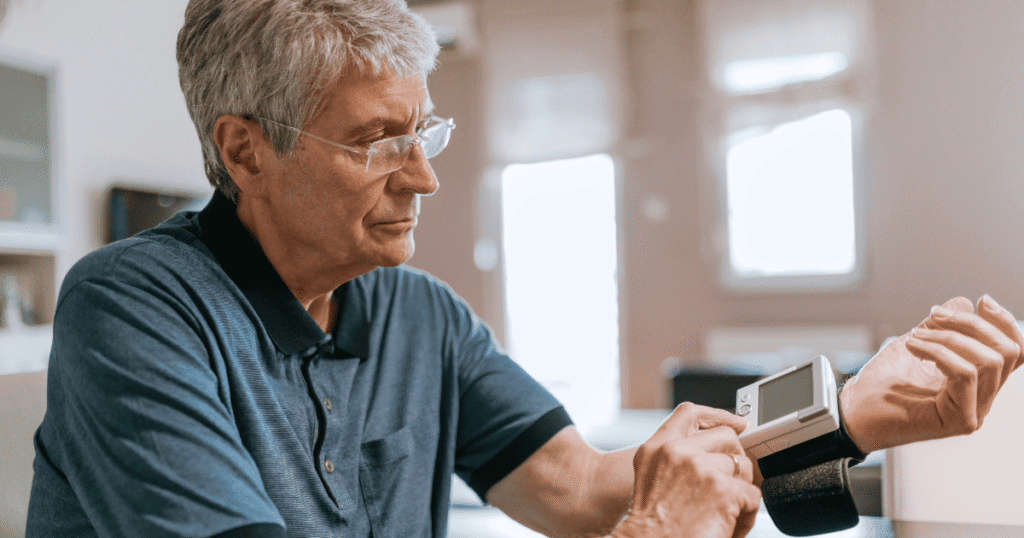
Managing Blood Pressure and Diabetes in Seniors: A Daily Care Guide At Senior Comfort Hub, we know that growing older brings new health challenges. Two of the most common concerns for seniors are high blood pressure (hypertension) and type 2 diabetes. While each condition poses unique risks, they are also deeply connected—and manageable with the right care, habits, and support. This guide is crafted especially for seniors and their families, offering gentle, realistic advice you can follow every day. 🔗 How Blood Pressure and Diabetes Work Together These two conditions often appear side by side, especially in older adults. Insulin resistance can lead to increased blood pressure, and long-standing high blood pressure can impair the body’s ability to manage sugar. Treating one often improves the other. Doctors frequently approach them as a pair, because what’s good for your heart is often good for your blood sugar too. 💓 Understanding High Blood Pressure Blood pressure is the force of blood pushing through your arteries. Over time, arteries may harden, making it harder for blood to flow smoothly. This can raise blood pressure. A reading under 130/80 mmHg is typically the goal, but this varies by individual. Untreated high blood pressure can lead to stroke, heart failure, kidney problems, and vision loss. 🍬 Understanding Type 2 Diabetes Managing both conditions takes consistency. Here’s what you can do: 1. Eat With Care• Choose whole grains, colorful vegetables, beans, and lean proteins like chicken or fish.• Snack smart: apples, carrots, boiled eggs, plain yogurt, or unsalted almonds.• Avoid sugary drinks and processed snacks.• Replace salt with flavorful herbs and spices—try garlic, lemon juice, cumin, parsley, or turmeric.• Watch for hidden sugars in salad dressings, sauces, and white bread.2. Stay ActiveMovement supports both blood pressure and sugar control. You don’t need a gym—just daily walks, stretching, or even chair exercises. Try setting a timer for 10-minute movement breaks throughout the day. Dancing to music you love counts too!3. Sleep Is PowerfulAim for 7–9 hours of restful sleep. Poor sleep raises stress hormones, which can spike your blood sugar and blood pressure. Create a bedtime routine, dim the lights, and keep screens out of the bedroom.4. Lower Your StressStress affects your body physically. Try deep breathing, soft music, prayer, or time in nature. Laugh with family, pet a cat, or take quiet time with tea. Small joys matter.5. Keep a RoutineConsistency brings stability. Take your medications on time, eat at regular intervals, and check your sugar and pressure if advised. A small notebook or app can help. 📱 Helpful Tools and Technology • MyTherapy App – Tracks medications and health readings with reminders.• Glucose Buddy – Easy logging of blood sugar levels.• Digital BP monitors – Choose an upper-arm model with a large screen.• Pill organizers – Weekly boxes reduce mistakes.Ask a family member to help you set up any tech tools. 💊 Safe Medication Practices As we age, our bodies process medications differently. Review your medications every 6–12 months with your doctor or pharmacist. Mention everything you take, including supplements and over-the-counter items. This prevents harmful interactions and keeps dosages safe. 🧑‍🤝‍🧑 Don’t Go It Alone Health can feel lonely, but it doesn’t have to be. Invite a friend or family member to check in weekly. Join a walking group or senior class. Talking about your health goals makes them easier to reach—and more enjoyable. 🚨 When to Seek Help Call your doctor if:• Blood pressure is often above 140/90• Blood sugar drops below 70 or rises above 200 repeatedly• You feel dizzy, short of breath, unusually tired, or confused• You notice swelling in feet or blurry visionThese signs may mean your plan needs adjustment. 🌐 Trusted Medical Websites • National Institute on Aging – www.nia.nih.gov• Mayo Clinic – www.mayoclinic.org• MedlinePlus – medlineplus.gov• CDC Older Adults – www.cdc.gov/aging ❤️ You Can Do This Every step you take matters. Managing these conditions is not about perfection—it’s about progress. You have the power to feel better, live longer, and stay connected to what you love. And we at Senior Comfort Hub are here with you, every step of the way. And remember, as we say in our note to you above: you are not alone on this journey.🧓 A Warm Note to Our Seniors We know you’ve lived through many seasons of life — with wisdom, strength, and dignity. This guide isn’t here to overwhelm you. It’s a gentle companion filled with helpful advice, encouragement, and small daily actions that truly make a difference. Whether you’re managing your health alone or with the support of loved ones, we want you to know: you’re not alone. You are seen, valued, and supported — always.  🌟 Real Success Stories Joe’s Story: The Power of Small ChangesJoe, 72, was tired and had numb feet. His doctor discovered uncontrolled diabetes and high blood pressure. Joe started walking with his neighbor, cut sugary snacks, and used a pillbox. After three months, he lost 10 pounds and lowered both his numbers. ‘I didn’t think I could change,’ Joe said. ‘Now I feel better than I have in years.’Nora’s Journey: Connection and TechnologyNora, 76, was diagnosed with both hypertension and diabetes. She felt overwhelmed at first. Her granddaughter helped her install a simple app to track her medications and readings. Nora also joined a local walking group for seniors. Over time, these two steps made a huge impact. ‘It wasn’t as hard as I feared,’ Nora shared. ‘I just needed a little help and a little push.’ Her numbers improved, and she felt more connected, energized, and hopeful.

Managing Blood Pressure and Diabetes in Seniors: A Daily Care Guide Read More Âť

Keeping Bones and Joints Healthy After Sixty: Simple, Proven Steps

Keeping Bones and Joints Healthy After Sixty: Simple, Proven Steps 🧓 A Warm Note to Our Seniors Your body has carried you through decades of laughter, love, and life’s many moments. Now more than ever, your bones and joints deserve gentle care. This guide offers simple ways to protect your mobility, reduce discomfort, and help you feel strong — inside and out. You are not alone on this journey — we’re here with you every step.As we age, our bones naturally lose density, and joints may feel stiffer or more fragile. But growing older doesn’t have to mean giving up comfort or independence. With the right habits, support, and awareness, seniors can stay mobile, safe, and strong well into their golden years. 🦴 What Happens to Bones and Joints with Age? After age 60, bone loss (osteopenia or osteoporosis) becomes more common — especially in women. Cartilage wears down, joints become less flexible, and ligaments lose elasticity. These natural changes may cause stiffness, balance problems, or pain in knees, hips, hands, or back. 🔍 Common Signs to Watch For  Frequent joint pain or stiffness  Trouble standing, bending, or walking long distances  Loss of height or curved posture  Increased risk of falls  Fractures from minor bumps Don’t ignore these signs — early attention can prevent bigger problems. 🛠️ Daily Habits That Help 🥗 1. Eat Bone-Friendly Foods Calcium and vitamin D are key. Include dairy products, fortified cereals, leafy greens, and fish with soft bones (like sardines or salmon). Avoid excessive salt, soda, and caffeine — they can leach calcium from bones. Ask your doctor if you need a supplement. Foods rich in magnesium (like bananas and almonds) and vitamin K (such as spinach and broccoli) also play a key role in keeping bones strong. 🏃 2. Keep Moving Gently Weight-bearing exercises like walking, tai chi, or light strength training help build bone mass and joint strength. Stretch daily to maintain flexibility. Seated leg lifts, arm circles, or gentle yoga are great low-impact options. 🚪 3. Make Your Home Fall-Safe Install grab bars in bathrooms, remove loose rugs, keep floors dry, and ensure good lighting. Use nonslip mats and nightlights in halls. Consider a cane or walker if balance is a concern. 🛏️ 4. Give Joints Time to Rest Overuse can cause inflammation. Take breaks between activities, use supportive cushions, and sleep on a firm mattress. Try warm compresses or Epsom salt soaks to soothe aching joints. 👩‍⚕️ 5. Talk to Your Doctor Ask about a bone density scan (DEXA), especially if you’ve had fractures or are over 65. Discuss any supplements, pain medications, or exercises you’re considering. Let them know about new stiffness, swelling, or reduced range of motion. 🦯 Helpful Tools and Support Shoe inserts and braces to relieve joint pressure  Heating pads or cold packs for inflammation  Raised toilet seats and step stools for comfort Joint-supporting chairs or recliners  Mobility aids (canes, walkers) to prevent falls 🌐 Trusted Resources  National Osteoporosis Foundation (www.nof.org)  Arthritis Foundation (www.arthritis.org) Mayo Clinic – Joint and Bone Health section  National Institute on Aging (www.nia.nih.gov) 🌟 Margaret’s Story: Strength Through Small Steps Margaret, 78, began to experience sharp hip pain and struggled with balance. Her doctor diagnosed early osteoporosis. Instead of feeling defeated, she started walking indoors at the mall, joined a gentle yoga class, and began using a daily supplement. With her daughter’s help, she adjusted her home for safety. ‘I thought I had to slow down,’ she said, ‘but I just had to move smarter.’ ❤️ Keep Moving with Confidence Healthy bones and joints aren’t just about avoiding pain — they’re about preserving freedom. With patience, movement, and smart support, your body can remain strong for years to come. And remember, as we say in our note to you above: you are not alone on this path. ⚖️ 5. Try Simple Balance Exercises Balance exercises help prevent falls and improve confidence. Try standing on one foot while holding the back of a chair for 10 seconds, then switch sides. Another great option: walk heel-to-toe in a straight line, keeping a support nearby. 🔄 6. Maintain a Healthy Weight Extra weight places pressure on joints, especially knees and hips. Even modest weight loss can reduce pain and improve mobility. Choose light meals, stay active, and talk to your doctor about safe weight goals. 🚨 When to Call Your Doctor • Sudden or severe joint or bone pain• Swelling, redness, or warmth around a joint• Inability to bear weight on your leg• A fall or injury with suspected fracture• Noticeable loss in joint range of motion Don’t wait — early help can prevent long-term issues. 🍎 Sample Daily Meal Plan for Bone Health Breakfast :• 1 cup fortified oatmeal with almonds and sliced banana• 1 cup milk or calcium-fortified plant-based alternative Lunch :• Grilled salmon (3 oz) with steamed broccoli and quinoa• Side salad with spinach and almonds Dinner :• Baked chicken with roasted vegetables (kale, carrots, bell peppers)• 1 cup yogurt with berries Snacks :• Apple slices with almond butter• Fortified cereal with milk 💊 Understanding Supplements and Medications Commonly Recommended Supplements:• Calcium Carbonate/Citrate: Take with food for best absorption• Vitamin D3: Helps calcium absorption; often recommended for seniors• Magnesium: Supports bone density and muscle function• Vitamin K2: Directs calcium to bones instead of arteries Important Safety Notes:• Always consult your doctor before starting new supplements• Some medications can interact with supplements• Blood tests can help determine your specific needs 🧘 Gentle Yoga Poses for Joint Health 1. Chair Pose (Supported):• Hold onto a chair for balance• Slowly lower into a slight squat position• Hold for 10-15 seconds, repeat 3 times 2. Seated Spinal Twist:• Sit in a chair with feet flat• Gently twist torso to one side, holding chair arm• Hold for 15 seconds each side 3. Standing Leg Lifts:• Hold chair back for support• Slowly lift one leg to side, keeping straight• Repeat 10 times per side 🏥 Creating Your Bone Health Action Plan 1. Schedule a DEXA scan if

Keeping Bones and Joints Healthy After Sixty: Simple, Proven Steps Read More Âť

Scroll to Top