
eamara1st

senior couple memories, elderly photo album, happy senior couple indoor

The Warmth of Memories: How Recalling Joyful Moments Calms the Mind

The Warmth of Memories How Recalling Joyful Moments Calms the Mind A Gentle Exploration of Sound and Sentiment in Senior Life  Music is more than just entertainment—it’s a bridge to memory, emotion, and identity. For seniors, a familiar melody can unlock the past in ways that words alone cannot. A single song can bring back the warmth of a youthful summer, the comfort of a parent’s voice, or the joy of dancing with a loved one. At Senior Comfort Hub, we believe in the healing power of music—not just as background sound, but as a meaningful part of memory care, emotional wellness, and daily joy. How Music Touches the Brain Studies in neuroscience show that music activates multiple areas of the brain—including those linked to memory, emotion, and motor functions. In fact, music often remains accessible even when other cognitive abilities fade. That’s why: People with memory loss may sing along to songs from their youth.  Emotions connected to music are often strong and immediate.  Listening to music can reduce anxiety and depression in older adults. Music is not just sound—it’s stored experience. Familiar Songs, Familiar Feelings Not every tune sparks a memory. But the right song—the one tied to a wedding, a school dance, or a favorite drive—can awaken joy with surprising clarity. Try revisiting songs from:  Your teenage years and early adulthood (ages 15–30). Cultural or religious events that mattered to you.  Favorite movies, shows, or childhood lullabies. Even just humming a tune or listening with closed eyes can offer a moment of calm connection. Gentle Ways to Incorporate Music Daily Bringing music into daily life doesn’t need to be complicated. Here are soothing ways to make music part of your routine: Morning melody: Start the day with an uplifting song while preparing breakfast.  Quiet afternoons: Play soft instrumental music during rest or reading time.  Evening ritual: End the day with peaceful sounds to prepare for sleep.  Movement moments: Use rhythm to make gentle stretching or walking more enjoyable. You can also create a memory playlist of songs that feel meaningful—this can become a beautiful tool to lift your spirits or share your story with others. Music as a Bonding Tool Listening to music with others can deepen relationships:  Share favorite songs with children or grandchildren and explain their meaning.  Sing together during family time or spiritual gatherings.  Let music spark conversation—“This reminds me of…” Music can help loved ones see and understand who you are, far beyond age or labels. When Sadness Surfaces Some songs may bring bittersweet memories or moments of loss. That’s okay. Music holds all emotions—not just joy. If a song brings tears, let them come gently. It may mean the memory was full of meaning. Follow it later with a more comforting tune. The goal is not to avoid emotion, but to find peace in feeling it fully. Healing Through Harmony At Senior Comfort Hub, we encourage every senior to rediscover the quiet magic of music. Whether through headphones, radios, live performances, or soft humming—music can become a steady companion. In a world that moves fast and forgets names, music remembers for us. It reminds us we are alive, we have lived, and those beautiful moments are never truly gone.

The Warmth of Memories: How Recalling Joyful Moments Calms the Mind Read More »
senior breathing exercise, older woman yoga gentle, senior relaxation breathing

Simple Breathing Exercises to Ease Senior Anxiety

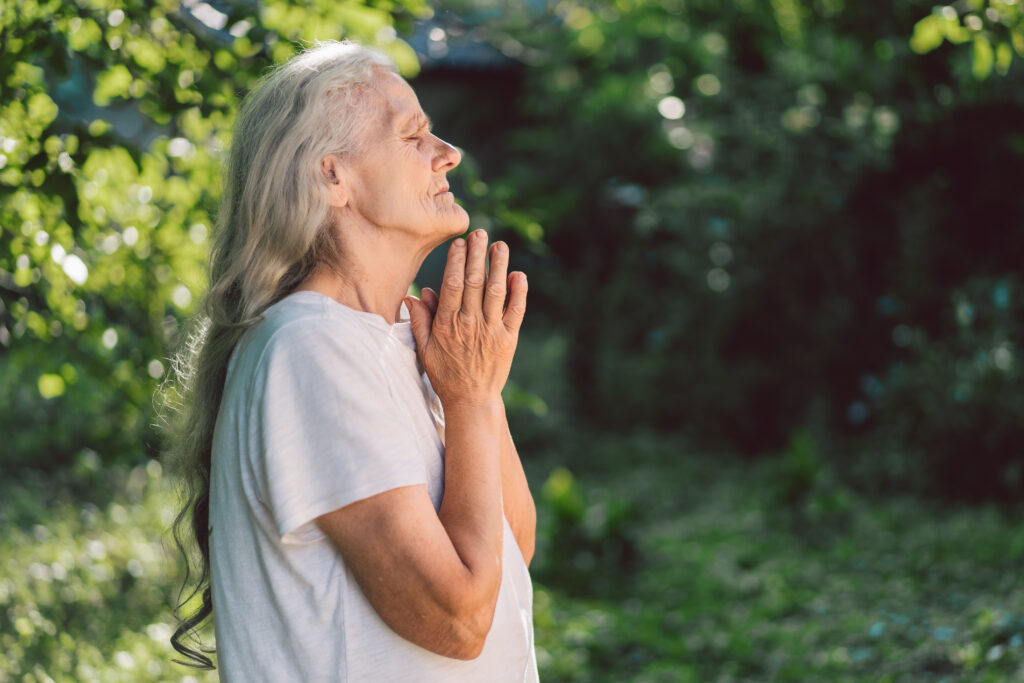
Simple Breathing Exercises to Ease Senior Anxiety A Gentle Path to Calm, One Breath at a Time Anxiety doesn’t always shout. Sometimes, it whispers—as restlessness, a racing heart, shallow breath, or a sense that something is just… off. For many seniors, anxiety can quietly arise from health concerns, isolation, or changes in daily routine. But the breath is always there—steady, available, and free.At Senior Comfort Hub, we believe that calming your breath is one of the kindest things you can do for yourself—and it only takes a few minutes a day. Why Breathing Matters Breathing is more than just a physical act. It’s a bridge between the body and the mind. When we feel anxious, our breathing often becomes fast and shallow—which tells the body to stay in “alert mode.” But by slowing the breath, we send the opposite message: You are safe. You can rest now. Breathing exercises work with the nervous system to reduce stress, lower blood pressure, and bring a sense of grounded calm. Best of all? They require no tools or equipment—just you and a quiet moment. Gentle Breathing Exercises for Instant Calm The 4-6 Breathing Method: Sit comfortably with your back supported. Inhale through your nose for a count of 4.  Exhale gently through your mouth for a count of 6.– Repeat for 5 to 10 cycles.  Tip: If counting feels stressful, just focus on making your exhale a little longer than your inhale. That’s enough. Box Breathing (Calm and Focus): Inhale for 4 counts.  Hold your breath for 4 counts.  Exhale for 4 counts.  Hold again for 4 counts.  Repeat the “box” 4 to 6 times.  It’s a steady rhythm—like drawing a square with your breath. Hand on Heart Breathing: Place one hand on your chest (over your heart).  Place the other on your belly.  Breathe in deeply, noticing your belly rise.  Exhale slowly, and feel your heartbeat slow.  Silently say: “I am safe. I am here.”  The gentle pressure of your hands adds a soothing, human touch. 📌 [Affiliate Link Placeholder: Insert link to calming breathing tools, aromatherapy oils, or anxiety relief aids for seniors here.]   When and Where to Practice – In the morning, to begin your day with calm. – Before meals, to aid digestion and settle nerves. – During stressful moments, like doctor visits or phone calls. – Before bed, to help you fall asleep with ease. Even 2–3 minutes can shift your state of mind. The key is consistency, not perfection. A Breath Is Always Within Reach You don’t need a perfect body, quiet surroundings, or lots of time. The breath is yours—and it can be your ally in moments of fear, worry, or overthinking. At Senior Comfort Hub, we invite you to pause—not to escape life, but to enter it more gently. With every mindful breath, you are choosing peace over panic. And in time, you may find that the calm you were looking for… was inside you all along.

Simple Breathing Exercises to Ease Senior Anxiety Read More »

A smiling senior couple sitting closely together on a sofa showing trust and emotional safety.

Relationships After Sixty: Fostering Safety and Connection

Relationships After Sixty Fostering Safety and Connection A Compassionate Guide to Deepening Bonds in Later Life As we grow older, relationships take on new meaning. They may become fewer in number, but deeper in value. After sixty, many seniors seek not noise or novelty—but safety, trust, and true connection. Whether with a spouse, family member, friend, or caregiver, the desire is the same: to feel seen, respected, and loved without condition. At Senior Comfort Hub, we believe relationships in later life deserve special care—because they have the power to uplift, heal, and comfort in ways that words alone cannot. Why Relationships Matter More Now Aging often comes with major transitions: retirement, health changes, children growing up, or the loss of a partner. These shifts can leave a person feeling more isolated—or more in need of meaningful connection. Strong relationships at this stage aren’t just emotionally rewarding—they’re vital to health. Studies show that seniors with close, trusted connections experience:  Lower levels of stress and anxiety.  Improved heart health and immune function.  Greater resilience in the face of illness or grief.  A longer and more fulfilling life. Connection doesn’t need to be constant or crowded. A few steady, kind relationships can be more nourishing than a room full of chatter. Creating Safe Emotional Space After sixty, many people become more sensitive to tone, presence, and sincerity. That’s why emotional safety is at the heart of any meaningful bond.To foster this safety:  Listen more than you speak—let the other person feel truly heard.  Avoid harsh judgment or correction.  Use kind, clear language—even when setting boundaries.  Express appreciation often. In safe relationships, you don’t have to perform. You can be tired, quiet, uncertain—and still be accepted. That’s the kind of comfort we aim to support. Repairing Old Wounds Some seniors carry relational scars from earlier chapters—unresolved tension with a sibling, regret over lost friendships, or silence where love once lived. It’s never too late to:  Send a kind note.  Make a simple phone call.  Forgive (even silently) to free your own heart. You don’t need a perfect ending to bring peace. A gentle gesture, even to yourself, can bring unexpected healing. The Book of Forgiving Building New Bonds Later life can also be a time of surprising new connections—neighbors, fellow hobbyists, faith groups, or online communities. Don’t hesitate to: Join a walking group. Attend a local class or gathering.  Volunteer for a cause close to your heart.  Reconnect with someone you admired from afar. Global age-friendly cities: a guide Every interaction is a chance to offer and receive presence—even short conversations can spark warmth. When Loneliness Appears Even in connected lives, loneliness can visit. It’s not a failure—it’s a signal. When it appears:  Name it without shame.  Reach out to someone, even briefly.  Fill your day with small sources of meaning: music, nature, memories.  Remind yourself: You matter, and connection is always possible. Enceinte Music Frame Samsung LS60D (HW-LS60D/MV) Love That Deepens After sixty, love may grow quieter—but stronger. Less about proving, more about being. Less about excitement, more about ease. At Senior Comfort Hub, we honor the beauty of relationships that feel like home. Whether you’re reconnecting, rebuilding, or simply resting in the love you already have—your need for connection is sacred, and always worth tending.

Relationships After Sixty: Fostering Safety and Connection Read More »

The Healing Power of Nature Seniors Expanded

The Healing Power of Nature Why Seniors Need Fresh Air and Green Views How Gentle Encounters with Nature Soothe the Mind and Lift the Spirit Nature has always been a quiet healer. For seniors, especially, the simple act of stepping outside, feeling sunlight on the skin, or hearing birdsong can bring calm, clarity, and a renewed sense of connection. At Senior Comfort Hub, we believe that even small interactions with nature — a breeze through the window, a morning walk, or sitting under a tree — can restore joy and emotional balance. Why Nature Matters More with Age As years pass, seniors might find themselves spending more time indoors. But nature offers them more than just a beautiful sight. It provides: Stress and Anxiety Reduction: Lowering cortisol levels, the stress hormone. Improved Physical Health: Decreasing blood pressure and heart rate. Enhanced Sleep and Cognitive Function: Promoting mental clarity and better sleep quality. Boosted Mood and Emotional Resilience: Fostering feelings of serenity and happiness. Encourages Light Movement and Social Interaction: Offering opportunities for gentle activity and quiet encounters. For seniors who may feel confined, lonely, or mentally drained, nature acts as a gentle companion that asks for nothing, but gives everything. Simple Ways to Embrace Nature Daily You don’t need to plan grand excursions. Nature is accessible wherever you are, with its simplicity and grace: Open a Window: Let fresh air and sunlight fill the room. Sit Near a Houseplant: Create a cozy green corner for yourself. Walk in a Nearby Park: Even if just for 10 minutes. Observe Birds: From your balcony or window. Listen to Natural Sounds: Like rain, ocean waves, or rustling leaves. Remember, you don’t need to climb mountains. Nature meets you where you are — with simplicity and grace. By the Sea: The Ocean’s Calming Touch on Senior Hearts There’s something deeply healing about the sea. For many seniors, a walk by the ocean or simply sitting near the waves brings peace beyond words: The Rhythmic Sound of Waves: Soothes the nervous system. Sea Air, Rich in Negative Ions: Lifts mood and reduces anxiety. Wide Ocean Views: Ease mental tension and promote mindfulness. Walking on Sand: Improves balance and blood circulation. Even occasional visits to the beach — or viewing ocean videos with sound — can create a sense of openness and renewal. Nature as a Companion, Not a Cure Spending time in nature doesn’t require effort. It’s not a medical treatment — it’s a relationship. A slow walk under trees, a bench in the garden, or a warm breeze through the curtain can remind seniors that beauty still surrounds them. In moments when words fail, or when the world feels distant, nature speaks a universal language — gentle, patient, and full of life. Bringing Nature to You If going outdoors is challenging, nature can still be a part of their indoor world: Create a Green Corner: With plants or herbs. Place a Chair by a Sunny Window: To enjoy the light and warmth. Use Natural Scents: Such as lavender, pine, or citrus. Hang Nature-Themed Artwork: Or play calming nature videos. Nature doesn’t always mean ‘outdoors’ — it can be felt indoors too. A Breath of Calm, A Ray of Hope At Senior Comfort Hub, we encourage seniors and their families to invite nature into daily life — not as a task, but as a soft return to self. Because a single tree, a soft breeze, or a quiet morning by the sea can do what no medicine can: bring peace to the soul, and remind the heart it’s still alive. The Power of Seasonal Nature Each season brings its own unique rhythm and gift. Spring offers blooming flowers and renewal, while summer brings warm breezes and longer days. Autumn carries colorful leaves and a sense of slowing down, and winter, though quiet and cool, offers crisp air and the beauty of stillness. Encouraging seniors to notice these seasonal shifts — even from their window — can bring anticipation, reflection, and joy.   Gardening as Gentle Therapy Even the simplest acts of gardening — watering a plant, planting herbs, or tending to flowers — can ground a senior emotionally. It nurtures patience, offers a sense of responsibility, and allows a tactile connection with life. Raised garden beds, potted herbs on a windowsill, or balcony plants are excellent ways to bring this healing practice into daily life. Nature-Inspired Creative Expression Seniors can also engage with nature through art and creativity. Drawing landscapes, writing poems about the sky or seasons, or photographing clouds and trees are ways to experience nature’s beauty more deeply. This kind of mindful interaction helps reduce stress and fosters a sense of accomplishment. Involving Family in Nature Moments Family members can play a role in nurturing these connections. A shared picnic, planting flowers together, or simply walking hand-in-hand under the trees can deepen bonds across generations. Nature becomes not just a backdrop, but a shared space of memory and connection.

The Healing Power of Nature Seniors Expanded Read More »

Gentle Stretching Routines Seniors Expanded

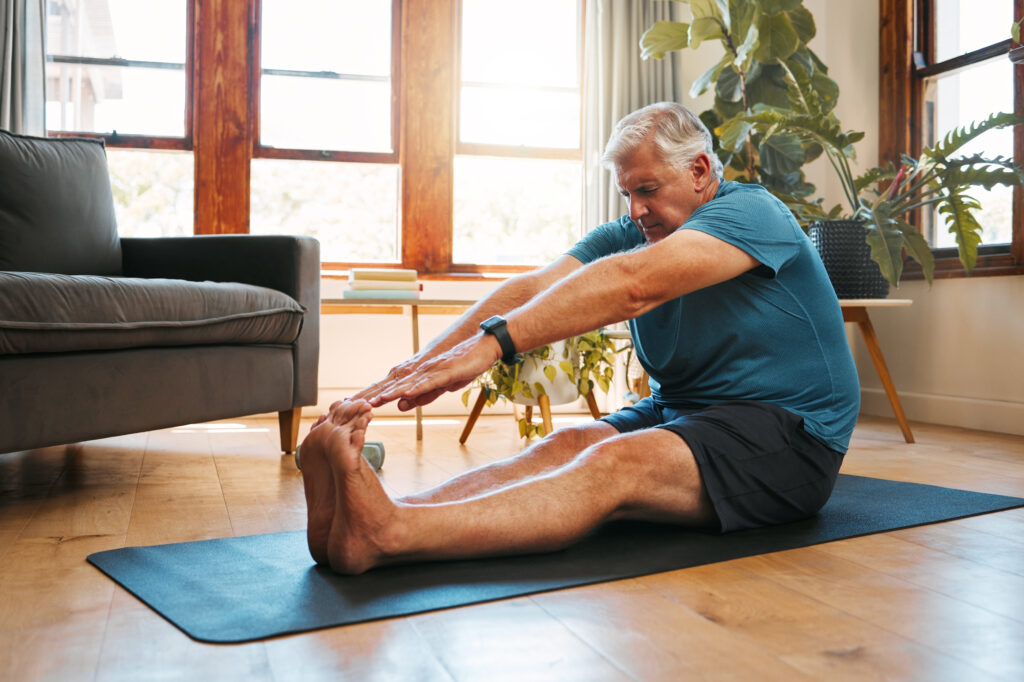
Gentle Stretching Routines Seniors Expanded Gentle Stretching Routines for Seniors As we age, our muscles and joints naturally become less flexible. But staying active—even in gentle ways—can greatly improve comfort, mobility, and overall well-being. Stretching isn’t about intensity; it’s about intention. With just a few minutes each day, seniors can feel looser, lighter, and more at ease in their bodies. Why Stretching Matters for Seniors: Maintain and Improve Flexibility: Making everyday movements feel easier.  Reduce Stiffness and Joint Pain: Alleviating chronic discomfort.  Enhance Balance and Posture: Aiding confident walking and standing.  Prevent Injuries and Falls: By strengthening the body and increasing awareness.  Increase Blood Flow and Relaxation: Boosting feelings of calm and vitality. At Senior Comfort Hub, we believe in routines that feel good, not forced. You don’t have to be an athlete—just someone who wants to move with more ease. Before You Begin: Tips for Safe Stretching  Always Warm Up Lightly: Like walking in place or gently swinging your arms.  Breathe Deeply: And never hold your breath.  Stretch Slowly: Never bounce or force a movement.  Stop if You Feel Pain: Stretching should feel gentle and comfortable. Use a Chair, Wall, or Cushion for Support: If needed. Gentle and Easy Stretching : Routines  Neck and Shoulder Rolls  Arm and Wrist Stretch  Seated Forward Bend  Gentle Torso Twist  Ankle Circles and Toe Flexing Daily Stretching Benefits: Stretching can be a daily ritual—a moment of connection, calm, and care. It improves: Circulation  Mobility  Muscle tone  Relaxation  Sleep quality Chair Yoga and Stretching Tools:Using tools like resistance bands, soft yoga straps, or even stretching DVDs made for seniors can enhance results. For example, the [Stretching Strap for Seniors – Amazon](https://www.amazon.com/dp/B07F7T8WJX) is perfect for safe and effective support. Integrating Stretching into Routine: Start your morning with light arm and neck rolls.  After meals, try a gentle twist or forward bend.  Before bed, stretch legs and ankles to prepare for restful sleep. Stretching with Music: Play calming music during stretches—it helps create a peaceful rhythm and makes the habit enjoyable.Community Classes and Virtual Options:Joining a local senior center class or following YouTube videos tailored for older adults can provide social connection and motivation. Conclusion : Stretching is more than just a physical activity—it’s a self-care ritual that promotes dignity, strength, and serenity in aging. By dedicating just a few minutes daily, seniors can reclaim a sense of control and joy in movement. At Senior Comfort Hub, we celebrate small steps and gentle progress—because every stretch is a step toward a better quality of life.

Gentle Stretching Routines Seniors Expanded Read More »

Daily Healing Habits: Gentle Practices for Seniors

Daily Healing Habits: Gentle Practices for Seniors A Gentle Routine for a Balanced, Uplifted Life Why Daily Habits Matter Habits are the heartbeat of our days. They shape our mood, energy, and outlook. For seniors, especially, healthy habits provide stability, comfort, and a gentle sense of control in a world that’s always changing. Unlike short-lived motivation, habits are steady. They become anchors—small routines that say,  “I’m choosing care today.” Simple Practices for Daily Well-being Start the Day with Stillness Before the noise of the day begins, take 5–10 minutes to sit in quiet. This could be prayer, deep breathing, meditation, or simply gazing out a window. This small pause helps center your thoughts, regulate your nervous system, and prepare your mind for a peaceful day ahead. Nourish with Intention Eat slowly. Savor your meals. Choose foods that are warm, colorful, and comforting. Drinking water regularly—even herbal teas—supports clarity, energy, and digestion. You don’t need a perfect diet. You just need a rhythm of nourishment that feels kind and consistent. Move a Little Each Day You don’t have to “exercise” to move your body. A short walk. Gentle stretching. Watering plants. Light chores. The goal is circulation, not strain. Movement releases tension, boosts mood, and reminds the body that it is still strong, still capable. Speak Kindly to Yourself The way we talk to ourselves profoundly shapes how we feel. Choose one affirmation to repeat daily, such as:• “I am enough.”• “Today is a gift.”• “My presence matters.”Write it down. Say it out loud. Post it where you’ll see it. Let kindness begin from within. Make Space for Beauty Beauty heals. Whether it’s a flower on your table, a favorite song, or a soft blanket—these small touches bring comfort and dignity to your day. Light a candle. Open a window. Display a photo that makes you smile. Let your environment support your calm. Connect, Even Briefly Loneliness can be softened by even the shortest connection. A call to a friend. A message to family. A wave to a neighbor. You don’t need long conversations. You just need to know—and feel—that you’re not alone in this world. End the Day with Gratitude Before bed, reflect on one thing that went well. One moment of calm. One taste you enjoyed. One sound that soothed you. This final pause helps train the mind to notice joy—not just worry—and can make sleep more peaceful. Gentle, Not Perfect Healing habits aren’t about perfection. Some days will feel easy. Others won’t. What matters is the intention: to show up for yourself, even in small ways. At Senior Comfort Hub, we encourage you to build a life that feels kind—not rushed, not harsh, but gently supportive of who you are today. Because true healing begins not in what you do once, but in what you return to—again and again—with love. Recommended Products (Amazon Affiliate) [Herbal Teas for Relaxation](https://www.amazon.com/s?k=herbal+teas+relaxation)  [Daily Affirmation Cards](https://www.amazon.com/s?k=affirmation+cards)  [Comfortable Senior Walking Shoes](https://www.amazon.com/s?k=senior+walking+shoes)

Daily Healing Habits: Gentle Practices for Seniors Read More »

Morning & Evening Affirmations for Seniors

Morning & Evening Affirmations for Seniors

Morning & Evening Affirmations for Seniors Morning & Evening Affirmations for Seniors Gentle Words to Begin and End Your Day with Peace As we age, the thoughts we think each day profoundly shape how we feel—about ourselves, our lives, and our future. While we can’t always control our circumstances, we can choose the tone of our inner voice. Affirmations are simple, intentional phrases that bring calm, hope, and focus to the mind. At Senior Comfort Hub, we believe that gentle words—spoken softly and often—can help create a sense of safety, purpose, and emotional balance. Morning and evening affirmations are like bookends of peace, supporting your day from beginning to end. Why Affirmations Work Affirmations are more than just nice words. Studies show that repeating positive, self-affirming phrases can: Reduce anxiety and emotional stress.  Improve mood and daily motivation.  Help shift negative thinking patterns into resilience.  Strengthen a sense of self-worth and emotional wellness. They don’t ignore pain or pretend everything is perfect—instead, they help you return to what is true and kind within you. How to Use Affirmations You can use affirmations anytime—but beginning and ending the day with them creates a beautiful rhythm of self-care. They become a part of your healthy routine and emotional healing journey. Try this: Say them out loud, slowly and with feeling.  Write them in a journal or keep them on cards by your bed.  Breathe gently as you speak or read.  Choose 2–3 that resonate with you in the moment—and let them guide your thoughts. Even if you don’t “believe” the words right away, repeating them creates space for healing over time. Morning Affirmations: Begin with Strength and Gratitude These affirmations help set a peaceful and positive tone for your day: – “Today is a new beginning. I greet it with calm and hope.”– “I have everything I need to move through this day.”– “My presence matters—to myself, and to others.”– “I choose to notice beauty in small things.”– “Whatever comes today, I meet it with grace.”– “My body supports me in its own wise way.”– “I am allowed to go slowly. I am enough, just as I am.” You can say them while dressing, sipping tea, or before stepping outside. Let the words meet the morning light. Evening Affirmations: Release, Reflect, and Rest Evening affirmations are about letting go, softening, and finding peace after the day’s noise:– “I did my best today—that is enough.”– “I am proud of how I showed up, even in small ways.”– “It’s okay to rest. I give myself permission to be still.”– “I release what I cannot control.”– “I am grateful for this day and all it held.”– “Peace is with me as I prepare for sleep.”– “I trust tomorrow will take care of itself.” Say them as you lie in bed, with a soft light or calming sound nearby. They are gentle guides into sleep.   Affirmations Are a Form of Self-Compassion You don’t need to say a lot. Just one line, repeated with kindness, can shift your mindset. Affirmations aren’t magic—but over time, they become like companions, whispering truth and tenderness when you need it most. If you’d like to build a full morning or evening routine around these phrases, you might enjoy reading our article on Daily Healing Habits to support your day with gentle structure and care. At Senior Comfort Hub, we invite you to make space for these quiet phrases. Let them become your own voice of care—steady, gentle, and always close. 🌿 What affirmation would you like to carry with you into tomorrow? We’d love to hear your favorite in the comments or share it with someone who may need it.

Morning & Evening Affirmations for Seniors Read More »

The Power of Touch How Gentle Contact Boosts Senior {{Wellbeing }}

The Power of Touch How Gentle Contact Boosts Senior Wellbeing

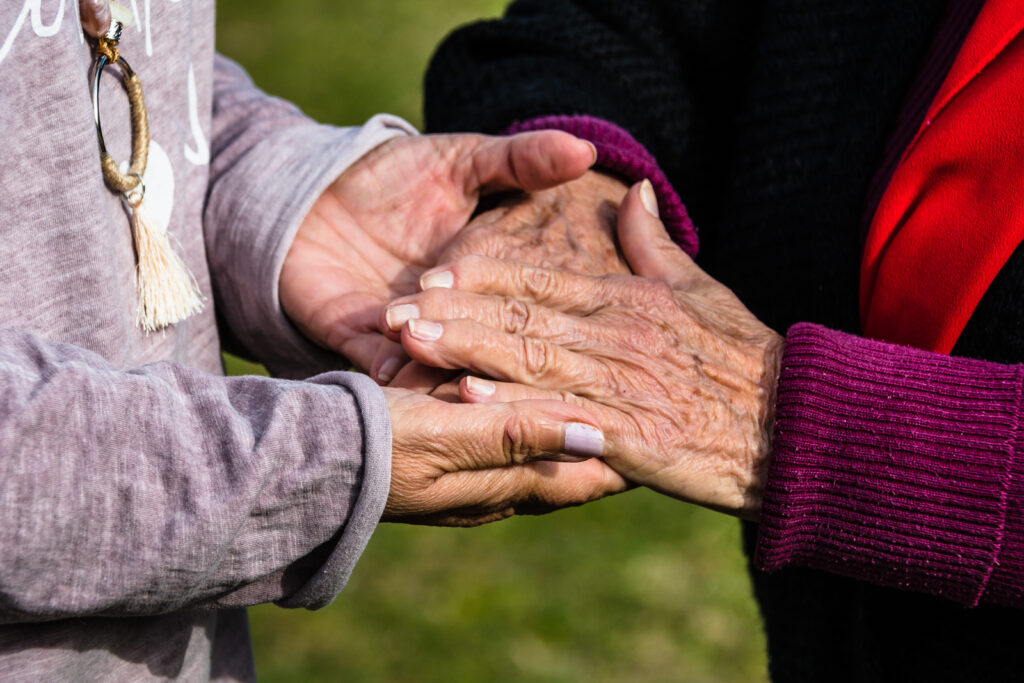
The Power of Touch How Gentle Contact Boosts Senior Wellbeing The Power of Touch: How Gentle Contact Boosts Senior Wellbeing *A Quiet Connection That Heals Beyond Words* We often think of health in terms of medication, diet, or exercise — but there’s another kind of care that’s just as vital: human touch. For seniors, especially, gentle physical contact can bring comfort, calm, and a deep sense of connection that words may not provide. At Senior Comfort Hub, we honor touch as a form of presence — a language of care that speaks directly to the nervous system, the heart, and the soul. Why Touch Matters More as We Age As people grow older, their opportunities for touch often decline. Children move away, spouses pass on, and social interactions become less frequent. Yet the body still longs for contact — a hand held, a shoulder touched, a warm hug. Research shows that positive touch: Lowers stress hormones  Reduces heart rate and blood pressure  Promotes oxytocin, the “bonding hormone”  Improves immune function and mood It reminds us that we’re not alone — that someone is near, that we still belong. Forms of Gentle, Respectful Touch Touch doesn’t have to be dramatic or long to be healing. Small moments, done with love, can have lasting effects. Here are gentle ways touch can be shared: A soft handshake or pat on the back  A warm hug from a trusted friend or family member  Holding hands during a walk or conversation  A gentle massage of the shoulders or hands  Brushing hair or applying lotion with care Always ask permission. Respect and sensitivity are key. For some, touch may bring up past wounds — so it’s important to offer, never impose. Self-Touch for Soothing and Calm Even when others aren’t nearby, you can use your own hands to comfort yourself.   Try these: Place your hand over your heart when anxious  Gently rub your palms together to create warmth, then place them over your eyes  Wrap your arms around yourself in a gentle self-hug  Massage your feet, hands, or shoulders with lotion Your body doesn’t always distinguish between touch from others and conscious, caring touch from yourself. Both bring benefits. Touch in Daily Life You don’t need a special occasion to offer or receive touch. Build it into your day: Sit close to a loved one while watching TV  Hold your grandchild’s hand while reading a story  Place a comforting hand on someone’s back as you speak  Use warmth in your gestures — even a handshake can feel like a hug if it’s given with care Touch is often more about presence than pressure. When Touch Is Missing If you live alone or go days without physical contact, know that you are not forgotten.   Consider:  Joining community groups, exercise classes, or hobby circles  Seeking therapeutic massage from a certified provider  Using warmth — like weighted blankets or pets — to simulate calming contact Even talking about touch and expressing your need for it can open the door to more connection. Healing That Begins with Presence At Senior Comfort Hub, we believe that touch is one of life’s most basic comforts — a silent way to say: “I see you. I care.” Whether it comes from a loved one, a caregiver, or your own hands — gentle contact has the power to calm the heart and nourish the soul. Sometimes, the most healing moments happen not in what we say……but in how we simply reach out.

The Power of Touch How Gentle Contact Boosts Senior Wellbeing Read More »

Mindful Walking A Gentle Exercise with a Meditative Soul

Mindful Walking A Gentle Exercise with a Meditative Soul Mindful Walking: A Gentle Exercise with a Meditative Soul *A Simple Path to Inner Peace and Physical Vitality* You don’t need a gym membership or fancy equipment to feel better in your body and mind. Sometimes, all it takes is a pair of comfortable shoes, a quiet path, and a few intentional steps. Mindful walking is a beautiful blend of light movement and meditation — perfect for seniors who wish to stay active while also nurturing emotional calm. What Is Mindful Walking? Mindful walking is the practice of walking slowly and with full attention. Instead of rushing from one place to another, you bring your awareness to each step — noticing how your feet touch the ground, how the air feels on your skin, and how your body moves with gentle rhythm. It transforms walking from a chore into a moment of connection — with yourself, with nature, and with the present moment. The Gentle Benefits for Seniors This simple practice offers many quiet rewards:  Improved circulation and balance without strain  Reduced anxiety through rhythmic breathing  Enhanced mood by focusing on nature instead of worries  Better posture and mobility over time Mindful walking also creates space — not just physically, but mentally. It gives you time to process your thoughts, release tension, and rediscover a sense of calm without needing to sit still. How to Begin You don’t need a special place to start. A garden path, a quiet hallway, or even a room in your home will do. Stand still and take a deep breath. Feel your feet grounding you.2. Start walking slowly. With each step, pay attention to the sensation of movement.3. Focus on your breath. Inhale gently. Exhale calmly.4. Notice your surroundings. The colors, sounds, light, and textures.5. If your mind wanders, gently return. No judgment — just come back to your steps. Start with just 5–10 minutes a day. Over time, it may become something you look forward to — a small ritual of peace. Walk with Your Heart You can also bring purpose into your walking: Walk with gratitude, thinking of people or moments you’re thankful for.  Walk with healing, imagining stress or worry falling away with every step.  Walk with remembrance, allowing joyful memories to visit you gently. The beauty of mindful walking is that you don’t have to walk far to go deep. Even short, slow walks can feel like journeys inward. Safety First While mindful walking is gentle, safety still matters:  Choose stable paths free of obstacles.  Wear supportive shoes.  Walk during daylight or in well-lit areas.  If needed, use a walking aid or invite a companion. Listen to your body. If you feel tired or dizzy, it’s okay to pause. The goal is peace, not performance. A Path Always Available Mindful walking offers seniors a path that’s always open — no appointments, no waiting rooms, no rush. Just you, the ground beneath you, and the rhythm of your own breath. At Senior Comfort Hub, we believe that healing doesn’t always come in big changes. Sometimes, it comes step by step — with each mindful moment, you return a little more to yourself.

Mindful Walking A Gentle Exercise with a Meditative Soul Read More »

10 Essential Fall Prevention Tips Every Senior Needs to Stay Safe and Confident

10 Essential Fall Prevention Tips Every Senior Needs to Stay Safe and Confident Do you ever feel a little nervous walking across the house at night, or wonder if the bathroom floor might be too slippery? For many seniors, these small concerns are very real. According to the CDC, one in four adults over 65 falls each year, and nearly 3 million are treated in emergency rooms as a result. Beyond broken bones or bruises, a fall can shake confidence and independence, making daily life feel uncertain. The good news is that most falls are preventable. By making small adjustments at home, staying physically active, and using modern safety tools, seniors can continue to live with freedom and peace of mind. This guide presents 10 essential fall prevention tips—each one practical, simple, and powerful enough to change lives. Falls cost billions in healthcare each year, but their true cost is often emotional: fear, isolation, and loss of independence. By acting today, you not only protect your body, but also your confidence, relationships, and quality of life. 🛠️ Install Grab Bars in Key Areas Bathrooms and narrow hallways are two of the most common fall zones. Installing sturdy grab bars provides a reliable anchor. – Place grab bars near toilets, inside and outside showers, and along long hallways.– Choose rust-resistant models with textured, non-slip finishes.– Ensure proper installation into wall studs—avoid suction-only bars for long-term use. 💡 Case Study: A 72-year-old man in Toronto slipped in his shower but avoided serious injury thanks to a grab bar installed by his grandson. 🛠️ Grab Bars: Your Best Safety Friend Grab bars are the number-one upgrade for bathroom safety. What to Install:– Weight-rated grab bars (not towel racks).– Rust-resistant, textured finishes for wet hands.– Decorative options that blend with modern design. Where to Place:– Toilet area: Horizontal bar or safety frame.– Shower/tub: Vertical bar outside, horizontal bars inside.– Hallways near the bathroom: For added stability. 💡 Case Study: Mr. Hassan, 74, regained independence after his children installed grab bars by the tub and toilet. He now showers alone with confidence. 🛁 Conquer Slippery Surfaces with Non-Slip Solutions Slippery tiles are silent hazards. Simple Fixes:– Non-slip mats inside the shower/tub with suction backing.– Absorbent mats outside sinks and tubs to catch water.– Adhesive strips or decals on the floor for permanent grip.– Textured vinyl or anti-slip coatings if renovating. 💡 Tip: Choose brightly colored mats for better visibility and contrast. 🪑 Add Seating: Shower Chairs and Benches Standing for long showers can be exhausting or risky. Options:– Shower chair: Lightweight, portable, easy to clean.– Transfer bench: Spans the tub edge; sit down outside, slide across safely.– Fold-down wall seats: Save space in smaller bathrooms. 💡 Example: Mrs. Helen, 80, eliminated near-falls when her granddaughter bought her a transfer bench. 🚽 Adjust Toilet Height for Safer Transfers Low toilets strain knees and hips, making sitting and standing difficult. Solutions:– Raised toilet seats that clip onto existing toilets.– Toilet safety frames with sturdy armrests.– Comfort-height toilets (taller by 2–3 inches). 💡 Practical Note: Raised seats cost as little as $30, while permanent installations offer long-term stability. 🔧 Improve Faucet Accessibility Arthritis and reduced grip strength make twisting knobs difficult. Upgrades:– Lever handles that work with a hand, wrist, or elbow.– Touchless faucets for seniors with limited mobility.– Anti-scald faucets with automatic temperature control. 💡 Tip: Place handles within easy reach without leaning. 💡 Enhance Lighting and Reduce Clutter Half of bathroom falls occur at night. Lighting:– Motion-sensor night lights along the path to the bathroom.– Bright LED bulbs (daylight tone) for full visibility.– Illuminated switches for easy access in the dark. Clutter Control:– Remove laundry baskets, loose towels, and rugs.– Keep essentials at waist-to-shoulder height.– Use wall-mounted shelves or caddies to free floor space. 🛡️ Protect Against Hot Water Scalds Scalds are often overlooked but dangerous. – Install anti-scald devices on showerheads and faucets.– Set the water heater to no more than 120°F (49°C).– Always test water temperature before use. 💡 Tip: Seniors with neuropathy (reduced sensation) are especially vulnerable—scald protection is essential. 📦 Smarter Storage and Organization Overstretching or bending can cause imbalance. – Use pull-out shelves or sliding drawers.– Keep heavy items at waist level.– Install shower caddies for easy access to soaps and shampoos.– Label shelves clearly for quick recognition. 🧘 Stay Physically Strong Even with the best safety features, physical strength is vital. – Practice chair exercises for legs and arms.– Gentle yoga or tai chi builds balance and flexibility.– Daily walks, even short ones, maintain endurance. 💡 Statistic: Seniors who engage in balance exercises reduce fall risk by up to 30%. 🆘 Emergency Preparedness in the Bathroom Accidents can still happen—be ready. Steps if You Fall:1. Stay calm and breathe deeply.2. If not injured, roll onto your side and crawl to a sturdy surface.3. Use grab bars or fixtures to rise slowly.4. If injured, use a waterproof phone or medical alert device.5. Shout for help if necessary. 💡 Tip: Keep a waterproof phone or emergency button within arm’s reach of the toilet and shower. 🏗️ Bonus: Remodeling for Aging in Place Sometimes small upgrades aren’t enough. If you’re renovating, consider: – Walk-in tubs or zero-threshold showers.– Slip-resistant flooring throughout the bathroom.– Wider doorways for wheelchair access.– Built-in benches and recessed shelving. These changes require investment but provide long-term peace of mind. 👨‍👩‍👧 Family Involvement: A Shared Responsibility Families play a crucial role in supporting bathroom safety. – Help parents or grandparents reorganize bathrooms.– Conduct monthly safety checks together.– Offer to install grab bars or motion lights.– Encourage use of medical alert systems without stigma. 💡 Story: A family in Chicago bought their grandmother a fold-down shower seat and installed night lights, reducing her fear of nighttime bathroom visits. 🔍 Myths vs. Facts About Bathroom Safety – Myth: Grab bars make bathrooms look like hospitals.  Fact: Modern designs blend beautifully with décor. – Myth: Only frail seniors fall.  Fact: Even strong, active adults can slip on wet tiles. – Myth: A

10 Essential Fall Prevention Tips Every Senior Needs to Stay Safe and Confident Read More »

Scroll to Top