
eamara1st

How to Save on Healthcare Costs After 65: Your Guide to Financial Peace of Mind

How to Save on Healthcare Costs After 65 Your Guide to Financial Peace of Mind Turning 65 and signing up for Medicare should bring peace of mind, not new financial worries. Yet, many seniors find themselves confused by premiums, deductibles, and surprise costs. You’ve worked hard for your retirement—let’s make sure your healthcare costs don’t get in the way of enjoying it. This guide is designed to give you clear, actionable steps to reduce your medical spending without compromising on quality care. Think of it as your friendly roadmap to becoming a confident, cost-savvy healthcare consumer. 1. Master Medicare: Your Foundation for Savings Think of Medicare as your toolbox. Knowing which tool to use for each job is the first step to saving money. 📘 Medicare Parts Made Simple Part A (Hospital): Covers inpatient care. Usually premium-free if you’ve paid Medicare taxes. Part B (Medical): Covers doctors and outpatient services. Comes with a monthly premium. Part D (Drugs): Covers prescriptions. You must enroll in a private plan to avoid late penalties. This is important even if you don’t take medications right now! Your Key to Savings: The Annual Check-Up (For Your Plan!) Mark your calendar for the Annual Enrollment Period (October 15 – December 7). This is your chance to: Compare your current Part D plan with others. A different plan could save you hundreds on your medications. Switch from Original Medicare to a Medicare Advantage (Part C) plan, which often bundles drug coverage and extra benefits like dental and vision. 2. Slash Your Prescription Costs: Be a Smart Shopper Your pharmacy bill is one of the easiest places to find significant savings. 💊 Choose Generic: Always ask your doctor if a generic option is available. It’s identical in quality but far cheaper. 🔍 Price Compare: Use free tools like GoodRx or the Medicare Plan Finder. Sometimes, paying cash with a coupon is cheaper than using your insurance! 🏪 Use Preferred Pharmacies: Your Part D plan has a network. Using a “preferred” pharmacy in that network can mean lower copays. 📦 Mail-Order for Maintenance Meds: For drugs you take long-term, a 90-day supply by mail is often much cheaper. 🤝 Seek Extra Help: Look into Patient Assistance Programs (PAPs) via sites like NeedyMeds.org for deep discounts if you qualify. 3. Don’t Miss These “Free Money” Benefits ✅ Preventive Services Fully Covered by Medicare You pay $0 for these crucial services with a doctor who accepts Medicare: Annual “Wellness Visit” (not a physical) Cancer screenings (mammograms, colonoscopies) Heart disease screenings Vaccinations (Flu, Pneumonia, Shingles, COVID-19) Bottom Line: Catching a problem early is the single best way to avoid a huge medical bill later. 4. Get Help If You Qualify: Don’t Leave Money on the Table Medicare Savings Programs: State programs can pay for your Part B premium, deductibles, and copays. How to Find Out: Contact your local State Health Insurance Assistance Program (SHIP). They offer free, unbiased counseling to help you see if you qualify for savings programs. It’s a confidential call that could save you thousands a year. 5. Protect Yourself from Surprise Bills Review Every Bill: Look at your “Explanation of Benefits” (EOB) and medical bills. Errors are common! Look for charges for services you never got or duplicate billing. Verify Providers: Before any non-emergency appointment, always confirm that your doctor or lab is in-network to avoid unexpected fees. Don’t Be Shy: Question any charge you don’t understand. Call your doctor’s office or the billing department. You have the right to an explanation. Conclusion: You Are in Control Managing healthcare costs after 65 isn’t about being a financial expert—it’s about being a proactive and informed consumer. By mastering these key areas—Medicare, prescriptions, and preventive care—you can protect your savings and reduce stress. Remember, the goal isn’t just to save money; it’s to buy yourself the confidence and peace of mind to fully enjoy the retirement you’ve earned. You have the tools and the power to take control. Start with one step today. What’s the first part of your Medicare plan you’ll review this week?

How to Save on Healthcare Costs After 65: Your Guide to Financial Peace of Mind Read More »

A smiling senior woman confidently using a checklist in her cozy, well-lit home.

Your Daily Safety Checklist: Simple Habits for Confident, Independent Living

: Your Daily Safety Checklist Simple Habits for Confident, Independent Living Living independently is one of life’s great rewards—the freedom to enjoy your own space, your own schedule, and your own rhythm. While this independence is precious, your safety is priceless. The good news is that protecting it doesn’t require drastic changes. In fact, true safety is built through small, consistent habits that become second nature. This daily safety checklist is your friendly companion, designed to empower you, not overwhelm you. It’s a simple, quick guide that helps you create a secure environment, giving you—and your loved ones—profound peace of mind. Think of it not as a chore, but as a gentle, daily affirmation of your capability and self-care. Why This Daily Routine is Your Foundation for Fearless Living You might wonder, “Do I really need a checklist?” Consider this: our daily routines are powerful. They create a structure that helps us function at our best. By weaving safety directly into that structure, you accomplish two vital things: 1. Proactive Prevention You actively identify and mitigate risks before they become accidents, turning potential hazards into non-issues. 2. Confident Awareness This routine sharpens your awareness of your body and your environment. You’ll quickly notice if something feels “off,” from a loose rug to a moment of dizziness, allowing you to address it immediately. This proactive approach means less time spent worrying and more time spent truly enjoying the independence you’ve earned. 🌞 Your Morning Safety Starter: Set a Secure Tone for the Day (To be completed within the first hour of waking) Starting your day with intention is the first step to a confident day. This quick 5-minute routine sets you up for success. 📞 The Communication Hub: Check Your Phone – Is it fully charged and placed somewhere you can easily hear and reach it? Ensure the ringer is on and the volume is up. This is your lifeline for both emergencies and joyful chats. 🚨 Your Silent Guardian: Test Your Alert System – If you use a medical alert pendant or system, press the test button as instructed by the manufacturer. This quick check ensures your guardian is ready, should you ever need it. 🛣️ The Clear Path Forward: Tidy High-Traffic Zones – Scan the floors on your path from the bedroom to the kitchen and living area. Tuck away loose rugs, secure electrical cords, and move clutter out of the walkway. 💊 Fuel Your Body & Mind: Hydrate and Medicate – Take your morning medications with a full glass of water. This grounds you and reminds you to start your day with self-care. 🌤️ Your Daytime Safety Check-Ins: Move Through Your Day with Awareness Incorporate these mindful pauses into your daily activities. They are designed to keep you present and protected. ⚖️ The Balance Pause: Listen to Your Body – Before reaching for high shelves, bending down, or stepping into the shower, pause for a moment. Take a deep breath and steady yourself by placing a hand on a wall or sturdy furniture. 👟 Your Foundation: Wear Safe, Supportive Shoes – Ensure you wear sturdy, well-fitting shoes with non-slip soles. Save socks or smooth-bottomed slippers for when you are seated and relaxing. 🚫 The Digital Shield: Screen Your Calls – Let calls from unknown numbers go to voicemail to protect yourself from scams. Verify and call back later if necessary. 🍎 Sustain Your Energy: Nourish and Hydrate – Have a nutritious meal and drink enough water to prevent dizziness, fatigue, and falls. 💬 Your Social Connection: Touch Base with Your World – Have at least one social interaction daily to boost mental health and inform others you are well. 🌙 Your Evening Wind-Down: A Peaceful Transition to Rest Preparing your home for the night is a caring ritual that ensures your safety and promotes restful sleep. 🔒 Secure Your Sanctuary: Lock Doors and Windows – Lock all doors and windows as dusk settles to enhance security. 💡 Illuminate the Night: Activate Your Nightlights – Turn on nightlights in the hallway, bathroom, and bedroom to prevent trips at night. 🔥 The Final Kitchen Check: Verify Appliances Are Off – Double-check that the stove, oven, and small appliances are turned off. 🛌 Create Your Bedside Command Center – Place your phone, glasses, water, and medical alert pendant within reach for easy access. ⛈️ Prepare for Tomorrow: Check the Forecast – Review the weather to plan outings safely or stay home if needed. ✅ Your Weekly Safety Spot-Check: A Deeper Dive for Total Confidence (Set a reminder for the same day each week) 📢 Test Your Life-Saving Alarms – Press the test button on smoke and carbon monoxide detectors. Replace weak or dead batteries immediately. 💰 Guard Your Finances – Review bank and credit card statements for unfamiliar charges. 🍎 Manage Your Nourishment – Scan your refrigerator and pantry to ensure you have enough food and discard spoiled items. 🗓️ Review Your Health Supplies – Check weekly pill organizers, request refills, and verify expiration dates on medications. 💌 A Note for Ultimate Peace of Mind: Share the Confidence Consider sharing this checklist with a trusted family member or friend. A simple text like, “All set for the night!” after completing your evening routine reassures them and strengthens your support network. Conclusion: Your Independence, Empowered This checklist is more than a list; it’s a framework for confident, independent living. It’s not about creating rules, but about building rituals that protect your freedom. You don’t need to be perfect. Some days you might check every item, other days just a few. What matters is the intention. Every small step is a powerful choice for your safety, health, and your right to live life on your own terms with joy and confidence. You have built a wonderful life, and you absolutely deserve to enjoy it with complete peace of mind.

Your Daily Safety Checklist: Simple Habits for Confident, Independent Living Read More »

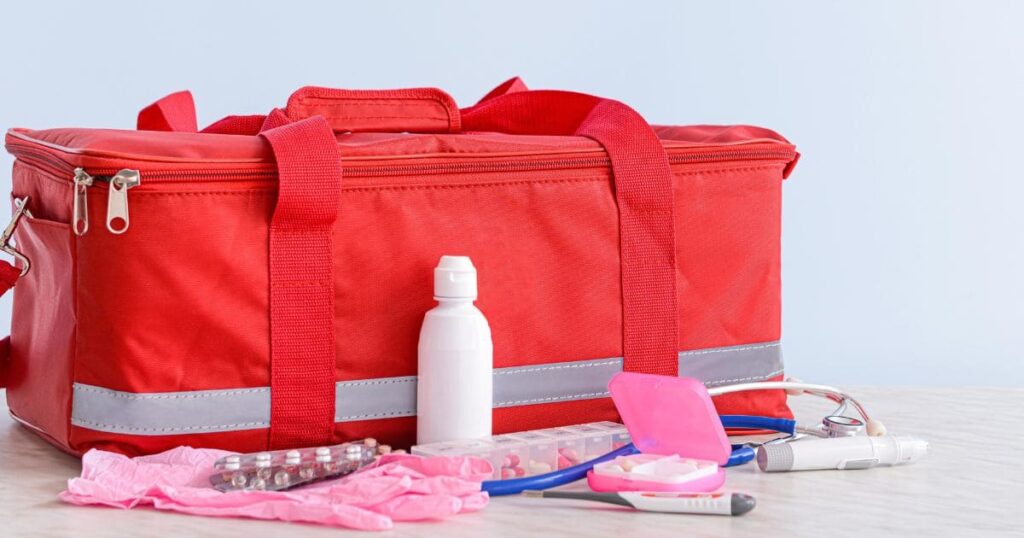
The Senior’s Essential Emergency Kit Checklist: Peace of Mind in a Box

The Senior’s Essential Emergency Kit Checklist Peace of Mind in a Box Life has its unexpected moments—from a sudden power outage to a severe storm. While we can’t predict these events, we can choose to be ready. For seniors, a well-stocked emergency kit is more than just a collection of supplies; it’s a cornerstone of independence and a powerful source of calm. It means that if an emergency happens, your focus can remain on staying safe, not on searching for a flashlight or worrying about your medications. This easy-to-follow checklist will help you build a personalized kit that provides security, comfort, and true peace of mind. Think of it as the most caring gift you can give yourself. Why Your Kit Needs to Be Senior-Specific A standard emergency list is a good starting point, but your kit must reflect your life. You may rely on daily medications, use medical devices, or have specific mobility needs. During a disruption, access to pharmacies, electricity, and even running water can be limited. A personalized kit ensures you can manage your health and well-being confidently, whether you need to shelter at home for several days or evacuate quickly. **Preparation is the key that turns anxiety into empowerment. The Container & Storage: Start Smart 🎒 Choose the Right Bag: A wheeled suitcase is highly recommended for easy transport. Alternatives include a duffel bag or backpack with wide, padded straps. 📍 Store Strategically: Keep your kit in an easily accessible location near an exit. Make sure everyone in your household knows where it is. Your Essential Checklist: Section by Section 💧 Water & 🥫 Food: The Survival Foundation Water: 1 gallon per person per day (3-day minimum) Food: 3-day supply of non-perishable items Manual can opener Granola/protein bars Canned fruits, vegetables, meats Dry cereal/trail mix Peanut butter Shelf-stable juice boxes 🔦 Light & 📞 Communication: Stay Connected Flashlight/lantern (battery-powered or hand-crank) Extra batteries for all devices Weather radio (battery-powered or hand-crank) Portable power bank (fully charged) Protective bags for electronics 🩹 Medical & Health: Your Wellness Priority 7-day medication supply in original bottles Over-the-counter medications (pain relievers, antacids) First-aid kit (bandages, gauze, antiseptic wipes) Medical information sheet (conditions, allergies, doctors) Insurance cards (copies) 👓 Personal Care & Comfort Extra eyeglasses/contacts Hearing aids with extra batteries Denture supplies (cleaner, case) Change of clothes & sturdy shoes Warm blanket/sleeping bag Personal hygiene items Comfort items (family photo, book, cards) ♿ Mobility & Safety Backup mobility aid (folding cane) Multi-tool Whistle N95 masks Cash (small bills) Emergency contact list Important Documents: Your Paperwork Lifeline Keep these in a waterproof pouch: Personal identification Medical information sheet Insurance cards (copies) Emergency contacts Home documents (lease/deed) Flash drive with digital copies of all documents Maintaining Your Kit: Keep It Ready Set a reminder to check your kit every 6 months (when clocks change): Replace expired food, water, and medications Check and refresh batteries Update documents and contacts Ensure all electronics are charged Conclusion: Your Confidence, Carefully Packed Building your emergency kit doesn’t have to be overwhelming. Start small – begin with the core essentials this week, then add personal items gradually. Every item you check off brings you closer to true peace of mind and independence. Remember: being prepared isn’t about fear; it’s about empowerment and taking control of your safety. You’ve got this.

The Senior’s Essential Emergency Kit Checklist: Peace of Mind in a Box Read More »

A calm senior adult with an emergency kit bag, looking prepared and confident while holding a flashlight

Disaster Preparedness: A Senior’s Survival Guide for Peace of Mind

Disaster Preparedness A Senior’s Survival Guide for Peace of Mind  Natural events like hurricanes, wildfires, severe storms, or extended power outages can be unsettling for anyone. For seniors, these situations can present unique challenges. But here is the most important message: A plan transforms fear into confidence. Taking simple, proactive steps now means you can face any situation with a calm mind and a clear plan of action. This guide is tailored specifically for your needs, helping you build a practical strategy that protects your health, safety, and cherished independence during a disaster. Why Disaster Prep is Different for Seniors Senior Emergency Preparedness Plan A standard checklist isn’t enough. Your plan must account for your unique circumstances. Depend on medications that require refrigeration. Use mobility aids like a walker or power wheelchair. Have specific medical needs or sensory considerations. Be more vulnerable to extreme heat or cold. This guide focuses on these critical areas, ensuring your plan is a true lifeline, not just a list. Step 1: Create Your Personalized Plan Your plan is your personal roadmap. The key is to KISS: Keep It Simple and Specific. A. Know Your Local Risks: What disasters are most likely in your area? Focus first on hurricanes, wildfires, floods, or earthquakes. Your local emergency management office website is a great resource. B. Build Your Communication Plan: 📞 Emergency Contacts: Write down a list of family, friends, neighbors, and doctors. Keep a paper copy in your emergency kit and by your phone. Program these numbers into your cell phone under “ICE” (In Case of Emergency). 🌍 Out-of-Area Contact: Choose a relative or friend who lives in another state to be your family’s check-in point. Long-distance calls often work when local lines are down. 🤝 Create Your Neighbor Network Talk to one or two trusted neighbors. Exchange phone numbers and, if you’re comfortable, a spare key. Agree to check on each other immediately after a disaster. This simple step builds a powerful local support system. C. Plan for Two Scenarios: Sheltering in Place: Staying safely in your home for days without power or water. Evacuating: Leaving your home quickly for a safer location. Step 2: Build Your Senior-Specific Emergency Kit Go beyond the basics. Assemble your supplies in a sturdy, wheeled suitcase or several easy-to-carry bags. A. The Absolute Essentials (Your Core Kit): 💧 Water: At least one gallon per person per day for at least three days. 🥫 Food: A three-day supply of non-perishable, easy-to-prepare food (canned goods, granola bars, dry cereal). Don’t forget a manual can opener! 🔦 Light & Communication: A battery-powered or hand-crank radio and a flashlight. EXTRA BATTERIES for everything. 🩹 First-Aid Kit: Include bandages, antiseptic wipes, pain relievers, and medical gloves. B. The Senior-Specific Add-Ons (This is Crucial): 💊 Medications: A 7-day supply of all prescription medications in their original bottles. Include over-the-counter meds and supplements. ⚠️ Check expiration dates every 6 months. 🩺 Medical Equipment: Extra supplies for oxygen, dialysis, or blood sugar testing. Include a power outage plan for essential devices. 📑 Important Documents: Keep copies in a waterproof bag: Your completed Vital Info Sheet from your medical emergency plan. Insurance cards (Medicare/Medicaid), medical IDs, and a list of allergies. Your emergency contact list. 👓 Personal Comfort & Safety: Extra eyeglasses, hearing aids, and batteries. A multi-tool, a loud whistle to signal for help, and N95 masks. A warm blanket and a complete change of clothes and sturdy shoes. 💵 Cash: Keep a supply of small bills (ATMs and credit card machines may not work). Step 3: Secure Your Medical Needs This is your top priority. A disaster shouldn’t jeopardize your health. 🔌 Power-Dependent Devices: If you use a power wheelchair, oxygen concentrator, or CPAP machine, talk to your doctor or equipment supplier about a backup power plan. 🧊 Medication Refrigeration: If your medications require refrigeration, know how to keep them cold. Have a cooler and ice packs ready. Check with your pharmacist for guidelines. 📝 Medical Summary: In addition to your Vital Info Sheet, have a brief written summary of your conditions and medications ready to show first responders or shelter workers. Step 4: Make the Critical Decision: Stay or Go? Sheltering in Place: If authorities advise it or it’s safer to stay, your emergency kit is your lifeline. Move to an interior room without windows. Keep your radio on for official updates. Evacuating: 🚗 Know Your Routes: Identify two different ways out of your neighborhood. 🔋 Charge Everything: Ensure power wheelchairs and all backup batteries for medical devices are fully charged. 📍 Have a Destination: Plan where you will go—a family member’s home, a pet-friendly hotel, or a public shelter. 🎒 Pack Your “Go-Bag”: Keep a smaller, portable version of your kit—including medications, documents, and a change of clothes—by the door, ready to grab. 🚫 Don’t Wait: If an evacuation order is issued, leave early. Avoid the worst traffic and dangerous conditions. Step 5: After the Disaster Passes 🛑 Safety First: Wait for the official “all clear” before going outside. Be alert for downed power lines and damaged structures. 📞 Check-In: Contact your out-of-area person and loved ones to let them know you are safe. 👂 Follow Instructions: Listen to authorities for information about water safety (e.g., boil-water orders) and when it is safe to return home. Conclusion: Your Preparedness is Your Power Preparing for a disaster might feel daunting, but you don’t have to do it all at once. This is about progress, not perfection. Start small this week. Pick one thing—maybe gathering your important documents or buying an extra gallon of water. Next week, focus on your 7-day medication supply. Every single step you take builds a stronger foundation for your safety and independence. By creating your personalized plan, you are taking powerful control of your well-being, ensuring you can face the future with resilience and true peace of mind.

Disaster Preparedness: A Senior’s Survival Guide for Peace of Mind Read More »

Creating Your Medical Emergency Response Plan: A Step-by-Step Guide for Seniors

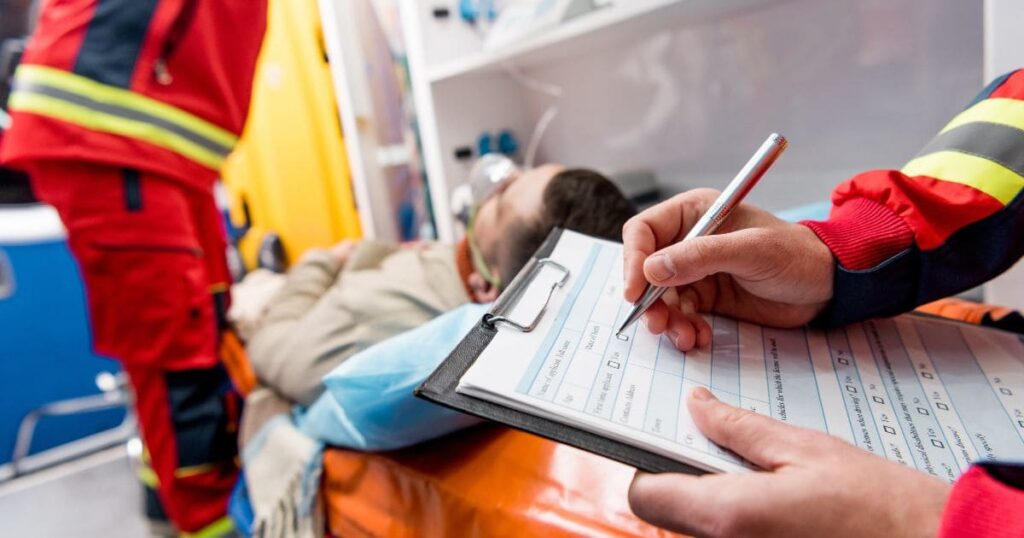
Creating Your Medical Emergency Response Plan A Step-by-Step Guide for Seniors We all hope a serious medical emergency never happens to us or our loved ones. But the simple truth is that being prepared can transform a moment of crisis into a manageable situation. For seniors, having a clear, practical Medical Emergency Response Plan isn’t about living in fear—it’s about living with confidence and maintaining your cherished independence. **This plan is your key to staying safely in your own home longer. It reduces panic, saves precious time, and ensures you receive the right care quickly. This step-by-step guide is designed to help you create a personalized plan that empowers you, protects your independence, and gives your entire family profound peace of mind. Why a Medical Emergency Plan is Your Key to Safety and Independence In a sudden health crisis—be it a fall, a heart episode, or severe dizziness—fear and confusion can be overwhelming. It becomes difficult to think clearly, remember vital information, or communicate effectively with first responders. A pre-made plan acts as your anchor in the storm. It provides clear instructions for you and anyone who might be helping you, ensuring that paramedics have immediate access to your critical medical history. This can directly influence the speed and quality of your care. Most importantly, it reinforces your independence by ensuring you have control over your own safety strategy. Step 1: Compile Your Vital Medical Information—Your Health’s Blueprint 🚨 Critical Storage Locations Create a “Vital Info Sheet” and store a physical copy in a bright red or neon folder in these two key locations: On your refrigerator door (paramedics are trained to look here). On your bedside table. Also, provide a copy to your emergency contacts. Your “Vital Info Sheet” Should Clearly Include: Full Legal Name & Date of Birth Emergency Contacts: List at least two people. For each, include: Name Relationship to you (e.g., daughter, neighbor) Primary phone number (cell) Secondary phone number (home or work) Critical Medical Conditions: List all major diagnoses, such as: Heart Disease (e.g., History of heart attack, atrial fibrillation) Diabetes (Type 1 or 2) Respiratory issues (e.g., COPD, Asthma) Neurological conditions (e.g., Alzheimer’s, Dementia, Parkinson’s, history of Strokes) Any major surgeries (e.g., hip replacement, pacemaker) Allergies: Be specific about: Drug Allergies (e.g., Penicillin, Sulfa) Food Allergies (e.g., Shellfish, Nuts) Environmental Allergies (e.g., Bee stings) Current Medications: This is crucial. Create a detailed, updated table. ⚠️ Please include all vitamins, supplements, and over-the-counter (OTC) medications. Medication Name Dosage Frequency Reason for Use Lisinopril 10 mg Once daily High Blood Pressure Metformin 500 mg Twice daily Type 2 Diabetes Aspirin (OTC) 81 mg Once daily Blood Thinner Vitamin D 1000 IU Once daily Bone Health Medical Emergency Response Plan Healthcare Providers & Insurance Healthcare Providers: List your Primary Care Physician and key specialists with their phone numbers in a separate section below the table. Insurance Information: Include your provider (e.g., Medicare, Aetna), policy number, and group number. Step 2: Choose and Prepare Your Emergency Contacts—Your Personal Response Team Your emergency contacts are your lifeline. They are the people you (or a responder) will call first. Who to Choose: Select individuals who live nearby, are often available, and remain calm under pressure. This could be an adult child, a trusted neighbor, or a close friend. Always designate a primary contact and a backup contact. Have “The Talk”: Approach these people before an emergency. Say, “I’m creating a safety plan for my peace of mind, and I would be honored if you would be my emergency contact.” Ensure they agree and understand their role. Equip Them for Success: Provide them with a copy of your Vital Info Sheet. Give them a key to your home if you are comfortable doing so. Make sure they know where to find your plan in your home. Discuss any specific needs you have, such as a pet that would need care. Step 3: Plan Your Communication Method—How to Call for Help What if you can’t get to a phone? Planning your communication method is critical. 🚨 Medical Alert Systems: Consider investing in a wearable medical alert pendant or bracelet. Features include: Fall Detection: Automatically places a call if a fall is detected. GPS Location: Allows responders to find you if you are outside your home. Two-Way Voice Communication: Lets you speak directly through the pendant. 📞 Phone Strategies: Keep a charged cordless or cell phone with you at all times, perhaps in a pocket or on a lanyard. Program ICE Contacts: Save your emergency contacts in your phone under “ICE – [Name]” (e.g., “ICE – Daughter Sarah”). Practice using speed-dial functions. 👋 Non-Verbal Signals: Create a simple, pre-arranged signal with a neighbor: Leaving a specific blind partially drawn. Turning a porch light on during the day. Placing a pre-agreed object in a window. Step 4: Prepare Your Home for Easy Access—Clear the Way for Help 🏠 Visible House Numbers: Ensure your house number is large, in a contrasting color, and well-lit at night. 🚶 Clear Pathways: Keep hallways, stairwells, and entryways free of clutter, loose rugs, and electrical cords. 🔑 Key Access: If you have a locked security screen door or use a lockbox, provide the code or combination to your emergency contacts. Step 5: Practice and Review Your Plan—Keep It Fresh Mental Rehearsal: Every few months, mentally walk through different scenarios to build neural pathways for quick responses. Schedule Quarterly Reviews: Check medication lists, phone numbers, and the location of your Vital Info Sheet. Communicate Changes: Update your Vital Info Sheet and inform your emergency contacts if any health or contact info changes. What to Do in an Emergency: Your Simple, Laminated Checklist STAY CALM. Take a slow, deep breath. CALL FOR HELP. Dial 911 (or your local emergency number) if immediate medical attention is needed. OR press your medical alert pendant. ALERT YOUR CONTACTS. Call your primary emergency contact or let 911/operator do it. GRAB YOUR VITAL INFO SHEET. If safe, get your bright folder to hand to paramedics.

Creating Your Medical Emergency Response Plan: A Step-by-Step Guide for Seniors Read More »

Disaster Preparedness: A Senior’s Survival Guide for Peace of Mind

Disaster Preparedness Disaster Preparedness: A Senior’s Survival Guide for Peace of Mind Events like hurricanes, wildfires, severe storms, or extended power outages can be unsettling. For seniors, these situations can present unique challenges. But here is the most important message: **A plan transforms fear into confidence.** Taking simple, proactive steps now means you can face any situation with a calm mind and a clear plan of action. This guide is tailored specifically for your needs, helping you build a practical strategy that protects your health, safety, and cherished independence during a disaster. Introduction: Turn Worry into Confidence Events like hurricanes, wildfires, severe storms, or extended power outages can be unsettling. For seniors, these situations can present unique challenges. But here is the most important message: **A plan transforms fear into confidence.** Taking simple, proactive steps now means you can face any situation with a calm mind and a clear plan of action. This guide is tailored specifically for your needs, helping you build a practical strategy that protects your health, safety, and cherished independence during a disaster. Why Disaster Prep is Different for Seniors A standard checklist isn’t enough. Your plan must account for your unique circumstances. You might:  Depend on medications that require refrigeration.  Use mobility aids like a walker or power wheelchair.   Have specific medical needs or sensory considerations.   Be more vulnerable to extreme heat or cold. This guide focuses on these critical areas, ensuring your plan is a true lifeline, not just a list. Step 1: Create Your Personalized Plan A. Know Your Local Risks:What disasters are most likely in your area? Focus first on hurricanes, wildfires, floods, or earthquakes. Your local emergency management office website is a great resource. B. Build Your Communication Plan: 📞 Emergency Contacts: Write down a list of family, friends, neighbors, and doctors. Keep a paper copy in your emergency kit and by your phone. Program these numbers into your cell phone under “ICE” (In Case of Emergency). 🌍 Out-of-Area Contact: Choose a relative or friend who lives in another state to be your family’s check-in point. Long-distance calls often work when local lines are down. 🤝 Create Your Neighbor Network Talk to one or two trusted neighbors. Exchange phone numbers and, if you’re comfortable, a spare key. Agree to check on each other immediately after a disaster. This simple step builds a powerful local support system. C. Plan for Two Scenarios: Sheltering in Place: Staying safely in your home for days without power or water. Evacuating: Leaving your home quickly for a safer location. Step 2: Build Your Senior-Specific Emergency Kit A. The Absolute Essentials (Your Core Kit): 💧 Water: At least one gallon per person per day for at least three days. 🥫 Food: A three-day supply of non-perishable, easy-to-prepare food (canned goods, granola bars, dry cereal). Don’t forget a manual can opener! 🔦 Light & Communication: A battery-powered or hand-crank radio and a flashlight. EXTRA BATTERIES for everything. 🩹 First-Aid Kit: Include bandages, antiseptic wipes, pain relievers, and medical gloves. B. The Senior-Specific Add-Ons (This is Crucial): 💊 Medications: A 7-day supply of all prescription medications in their original bottles. Include over-the-counter meds and supplements. ⚠️ Check expiration dates every 6 months. 🩺 Medical Equipment: Extra supplies for oxygen, dialysis, or blood sugar testing. Include a power outage plan for essential devices. 📑 Important Documents: Keep copies in a waterproof bag: Your completed <span style=”background-color: #fff5f5; padding: 2px 5px; border-radius: 3px;”>Vital Info Sheet</span> from your medical emergency plan. Insurance cards (Medicare/Medicaid), medical IDs, and a list of allergies. Your emergency contact list. 👓 Personal Comfort & Safety: Extra eyeglasses, hearing aids, and batteries. A multi-tool, a loud whistle to signal for help, and N95 masks. A warm blanket and a complete change of clothes and sturdy shoes. 💵 Cash: Keep a supply of small bills (ATMs and credit card machines may not work). Step 3: Secure Your Medical Needs 🔌 Power-Dependent Devices: If you use a power wheelchair, oxygen concentrator, or CPAP machine, talk to your doctor or equipment supplier about a backup power plan. This might involve extra batteries, a power bank, or a generator. 🧊 Medication Refrigeration: If your medications require refrigeration, know how to keep them cold. Have a cooler and ice packs ready. Most insulin and other drugs can be kept at room temperature for a short period, but always check with your pharmacist for specific guidelines. 📝 Medical Summary: In addition to your <span style=”background-color: #fff5f5; padding: 2px 5px; border-radius: 3px;”>Vital Info Sheet</span>, have a brief, written summary of your conditions and medications ready to show first responders or shelter workers. Step 4: Make the Critical Decision: Stay or Go? Evacuating: 🚗 Know Your Routes: Identify two different ways out of your neighborhood. 🔋 Charge Everything: Before a storm hits or you decide to leave, ensure power wheelchairs and all backup batteries for medical devices are fully charged. 📍 Have a Destination: Plan where you will go—a family member’s home, a pet-friendly hotel, or a public shelter. 🎒 Pack Your “Go-Bag”: Keep a smaller, portable version of your kit—including medications, documents, and a change of clothes—by the door, ready to grab. 🚫 Don’t Wait: If an evacuation order is issued, leave early. You’ll avoid the worst traffic and dangerous conditions. Step 5: After the Disaster Passes 🛑 Safety First: Wait for the official “all clear” before going outside. Be alert for downed power lines and damaged structures. 📞 Check-In: Contact your out-of-area person and loved ones to let them know you are safe. 👂 Follow Instructions: Listen to authorities for information about water safety (e.g., boil-water orders) and when it is safe to return home.  Conclusion: Your Preparedness is Your Power Step 1: Compile Your Vital Medical Information—Your Health’s Blueprint 🚨 Critical Storage Locations Create a “Vital Info Sheet” and store a physical copy in a bright red or neon folder in these two key locations: On your refrigerator door (paramedics are trained to look here). On your bedside table. Also,

Disaster Preparedness: A Senior’s Survival Guide for Peace of Mind Read More »

senior couple kitchen, happy elderly couple home, senior lifestyle comfort

Why Senior Comfort Hub?

Why Senior Comfort Hub? A Gentle Space for a Graceful Life As we grow older, our needs shift. What once felt effortless may now require more care, more thought, and above all — more comfort. At Senior Comfort Hub, we understand this gentle evolution. Our mission is simple: to offer seniors a safe, uplifting space where they can find practical guidance, emotional support, and everyday inspiration. A Hub Made for You Senior Comfort Hub isn’t just another wellness website. It’s a thoughtfully curated destination designed with seniors in mind — and heart. Whether you’re seeking tips for better sleep, building mindful habits, or ways to nurture your relationships, this is your space to explore freely and without pressure. It’s for those who want to take small but meaningful steps toward peace — mentally, physically, and emotionally. It’s for the children and grandchildren of seniors who want to better understand their loved ones and support them with kindness. And it’s for caregivers seeking encouragement and clarity in a quiet corner of the internet. Built on Trust and Empathy We believe that aging should be embraced with dignity, not fear. That’s why every article we publish is crafted with empathy, backed by gentle research, and written in a tone that honors your journey. There’s no medical jargon here. No pressure. Just calm, compassionate insight — like a conversation with someone who truly listens. This hub is also built with respect for your time and energy. Each piece is designed to be easy to read, practical to apply, and emotionally comforting — because we know that clarity and simplicity are a form of care. What You’ll Discover  Natural ways to improve sleep and ease anxiety  Gentle daily routines for a healthier mind and body  Positive affirmations and rituals to lift your mood  Articles on memory, connection, and inner peace  Simple exercises and tips to stay gently active Whether you’re browsing alone or with a loved one, there’s something here for everyone navigating this meaningful stage of life. A Companion, Not Just a Website Senior Comfort Hub is your companion — a quiet friend in the digital world — always ready with a kind word, a helpful tip, or a moment of calm. We’re not just offering advice — we’re offering presence. A place where you feel seen, respected, and encouraged, no matter what your day holds. And we’re just getting started. In time, the hub will grow to include new tools, calming audio resources, and a community space for shared stories and support. But at the heart of it all, our promise remains the same: Your well-being matters. Not just to your family, but to the world.

Why Senior Comfort Hub? Read More »

How to Create a Calm Day Despite Stress

How to Create a Calm Day Despite Stress Simple Shifts for a More Peaceful Life Stress doesn’t always arrive with loud alarms. Sometimes, it comes quietly—as a racing thought, a tight chest, or a sense of unease we can’t quite name. For seniors, daily stress may come from changes in health, relationships, or even the pace of life around them. But calm is not out of reach. With a few mindful shifts, any day can become more peaceful, more centered, and more gentle. At Senior Comfort Hub, we believe that you have the power to infuse your days with tranquility, even amidst life’s demands. Start Your Morning Slowly The first moments of the day set the tone for everything that follows. Instead of jumping into the news, emails, or chores, try beginning with something soft. A warm drink, like a relaxing tea, can help: 👉 [Organic Chamomile Tea Bags](https://www.amazon.com/dp/B000F4DK9C) Creating a calm day often begins by protecting the first 30 minutes of your morning—turning them into a sacred ritual that belongs only to you. Breathe with Purpose Breathing is something we do without thinking—but when done consciously, it becomes one of the most powerful calming tools. Try this: 👉 [Aromatherapy Candle with Soothing Scents](https://www.amazon.com/dp/B08V8MJP6N) Take a few moments each day to pause, close your eyes, and take five slow, deep breaths. Simplify Your Surroundings A cluttered space often adds to a cluttered mind. Create a cozy, clean corner: 👉 [Small Indoor Plant (Easy to Care)](https://www.amazon.com/dp/B00K57AZQA)  👉 [Gratitude Journal for Seniors](https://www.amazon.com/dp/B08WRHZPQK) Choose Gentle Activities Try activities that are simple and calming: journaling, knitting, or listening to soft music. 👉 [Portable White Noise Machine with Nature Sounds](https://www.amazon.com/dp/B01H6WXUX8) Limit Stressful Inputs Limit news and screen time. Instead, enjoy soothing experiences: 👉 [Lavender Essential Oil for Diffuser](https://www.amazon.com/dp/B00PHD5JHU) End with Gratitude Before bed, name three small blessings. Keep a bedside notebook for reflections: 👉 [Bedside Gratitude Journal](https://www.amazon.com/dp/B0B4QFWTVM) A Calm Life, One Day at a Time Creating calm isn’t about escaping reality—it’s about making gentle choices, moment by moment. At Senior Comfort Hub, we believe in these small shifts. Day by day, they can transform your experience of life—one breath, one smile, one soft moment at a time.

How to Create a Calm Day Despite Stress Read More »

A group of seniors participating in a calm social activity such as cooking, gardening, or volunteering. Natural smiles, positive energy.

Your Spirit: Simple Ways to Find Inner Peace

Simple Ways to Find Inner Peace Understanding Inner Peace: What It Is and Why It Matters Before diving into practical methods, it’s important to understand what “inner peace” truly means. It’s not about the absence of problems or challenges in life; rather, it’s a state of mental and emotional calmness and contentment, regardless of external circumstances. It’s the ability to maintain balance and serenity in the face of difficulties, and to handle stress and anxiety constructively. Why is it important? Because inner peace is the foundation of mental and physical well-being. When your spirit is calm, your ability to make decisions improves, your relationships are strengthened, your productivity increases, and even your immune system gets a boost. 1. Practice Mindfulness and Meditation Mindfulness is the ability to focus on the present moment without judgment. It doesn’t require hours of meditation; even a few minutes a day can be sufficient. Start by sitting in a quiet place, focusing on your breath, and observing thoughts and feelings without engaging. You can practice mindfulness during daily activities like eating or walking. 2. Spend Time in Nature Nature possesses immense healing power. Connecting with it can rejuvenate your spirit and help you feel calm and connected. Walks in parks, sitting by water, or even gazing at the sky from your window can provide a sense of peace. 3. Practice Gratitude Gratitude helps you appreciate what you have rather than focusing on what you lack. Keep a gratitude journal or express your appreciation to loved ones. Gratitude shifts your mindset towards contentment and joy. 4. Dedicate Time for Self-Care Self-care includes any activity that helps recharge physically, mentally, or emotionally. Whether it’s reading, listening to music, or enjoying a warm bath, these actions remind you that you are worthy of love and attention. 5. Connect Meaningfully with Others Spending time with loved ones and offering help to others can significantly nourish your spirit. Engage in clubs, social activities, or volunteer work to feel connected and valued. 6. Set Digital Boundaries Limit screen time, mute unnecessary notifications, and avoid comparison on social media. Digital boundaries create space for mental clarity and inner peace. 7. Get Enough Quality Sleep Establish a consistent sleep routine and create a peaceful sleeping environment. Sleep restores both body and mind, playing a critical role in spiritual and emotional stability. 8. Healthy Eating and Exercise A balanced diet and regular physical activity improve mood and energy. Choose whole foods and move your body gently each day to feel better physically and mentally. Building Your Own Inner Peace Routine The journey to finding inner peace is personal. Start small, be patient, and discover what works best for you. Consistency and compassion towards yourself are key.

Your Spirit: Simple Ways to Find Inner Peace Read More »

senior couple memories, elderly photo album, happy senior couple indoor

The Warmth of Memories: How Recalling Joyful Moments Calms the Mind

The Warmth of Memories How Recalling Joyful Moments Calms the Mind A Gentle Exploration of Sound and Sentiment in Senior Life  Music is more than just entertainment—it’s a bridge to memory, emotion, and identity. For seniors, a familiar melody can unlock the past in ways that words alone cannot. A single song can bring back the warmth of a youthful summer, the comfort of a parent’s voice, or the joy of dancing with a loved one. At Senior Comfort Hub, we believe in the healing power of music—not just as background sound, but as a meaningful part of memory care, emotional wellness, and daily joy. How Music Touches the Brain Studies in neuroscience show that music activates multiple areas of the brain—including those linked to memory, emotion, and motor functions. In fact, music often remains accessible even when other cognitive abilities fade. That’s why: People with memory loss may sing along to songs from their youth.  Emotions connected to music are often strong and immediate.  Listening to music can reduce anxiety and depression in older adults. Music is not just sound—it’s stored experience. Familiar Songs, Familiar Feelings Not every tune sparks a memory. But the right song—the one tied to a wedding, a school dance, or a favorite drive—can awaken joy with surprising clarity. Try revisiting songs from:  Your teenage years and early adulthood (ages 15–30). Cultural or religious events that mattered to you.  Favorite movies, shows, or childhood lullabies. Even just humming a tune or listening with closed eyes can offer a moment of calm connection. Gentle Ways to Incorporate Music Daily Bringing music into daily life doesn’t need to be complicated. Here are soothing ways to make music part of your routine: Morning melody: Start the day with an uplifting song while preparing breakfast.  Quiet afternoons: Play soft instrumental music during rest or reading time.  Evening ritual: End the day with peaceful sounds to prepare for sleep.  Movement moments: Use rhythm to make gentle stretching or walking more enjoyable. You can also create a memory playlist of songs that feel meaningful—this can become a beautiful tool to lift your spirits or share your story with others. Music as a Bonding Tool Listening to music with others can deepen relationships:  Share favorite songs with children or grandchildren and explain their meaning.  Sing together during family time or spiritual gatherings.  Let music spark conversation—“This reminds me of…” Music can help loved ones see and understand who you are, far beyond age or labels. When Sadness Surfaces Some songs may bring bittersweet memories or moments of loss. That’s okay. Music holds all emotions—not just joy. If a song brings tears, let them come gently. It may mean the memory was full of meaning. Follow it later with a more comforting tune. The goal is not to avoid emotion, but to find peace in feeling it fully. Healing Through Harmony At Senior Comfort Hub, we encourage every senior to rediscover the quiet magic of music. Whether through headphones, radios, live performances, or soft humming—music can become a steady companion. In a world that moves fast and forgets names, music remembers for us. It reminds us we are alive, we have lived, and those beautiful moments are never truly gone.

The Warmth of Memories: How Recalling Joyful Moments Calms the Mind Read More »

Scroll to Top