
Happy Memory Recall for Seniors
Your memories are treasures, each one holding the power to lift your spirits and bring you closer to those you love. Science now tells us that recalling joyful moments—like laughter at family picnics or the taste of a childhood treat—not only warms the heart, but also boosts mood and supports a healthy mind. Even the tiniest detail can light up your day.
Memory Recall Guide — Make Every Memory Count
Discover research-backed benefits, simple reminiscence techniques, emotional-wellness activities, intergenerational ideas, and practical tools to celebrate positive aging.
Quick takeaways
- Happy memory recall improves mood, connection and brain health.
- Techniques are adaptable for all cognitive levels.
- Small daily practices can build meaning and joy.
The Science: Memory Recall Benefits for Seniors
Reflecting on happy memories is more than a pleasant pastime — it has measurable health benefits supported by research and real-life experience.
Boosted mood
Joyful memory recall has been shown to increase serotonin and ease anxiety for many older adults. Regular positive reflection can brighten the day and improve emotional resilience.
Sharper mind
Reminiscing strengthens neural pathways and can help slow memory decline by encouraging active recall and storytelling.
Pain relief
Connecting with positive recollections often reduces perceived pain intensity and improves coping with discomfort.
Deeper connection
Sharing memories reduces loneliness and helps caregivers and families build stronger bonds.
Key finding: Daily reminiscence can be a powerful, joyful complement to other wellness strategies.
Emotional Wellness Activities for the Elderly
No special tools required — everyday moments become memory-rich with small, mindful practices.
- Morning gratitude memory: Start each day recalling one thing that made you smile.
- Memory moments: Link routine activities (like tea) to a fond memory.
- Joy journal: Write three positive memories or prompts daily.
- Musical lift: Play favorite songs from important life stages.
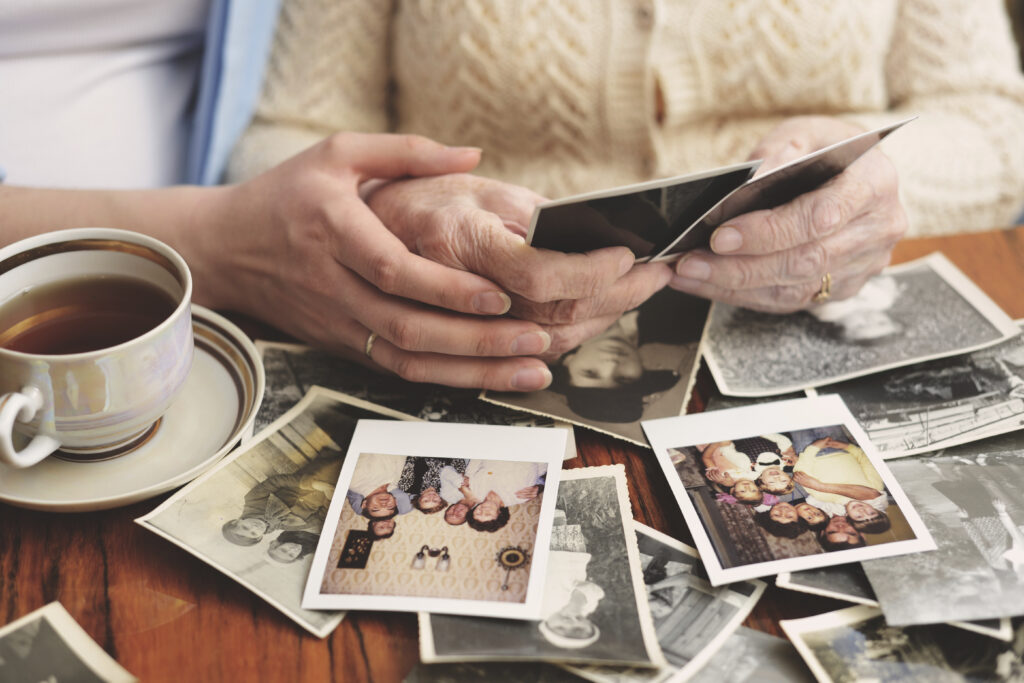
- Picture of the week: Display a photo and tell its story to visitors.
Try a simple visual project: build a scrapbook or “memory wall” using printed photos or online tools such as Canva or Google Photos.
Practical Reminiscence Therapy Techniques
- Multi-Sensory Memory Box: Add lavender, fabrics, keepsakes, and photos. Include playlists and label by decade.
- Five Senses Recall: Ask sight, sound, smell, touch, taste prompts to enrich recall.
- Time-Travel Playlists: Curate songs from different life stages and discuss feelings they bring up.
- Story Cards: Create prompt cards like “My first big success” for quick conversation boosts.
- Companion Reminiscence: Invite family to reminisce together — it deepens bonds.
Tip: Keep sessions short and joyful (10–30 minutes) and follow the person’s lead.
Real-Life Success Stories
Conversation Starters for Emotional Connection
A single question can open the door to hours of cherished storytelling.
For family & friends
- “What’s a favorite holiday or tradition in our family?”
- “Is there a lesson you want me always to remember?”
- “Who could always make you laugh?”
For caregivers
- “What skill are you most proud of?”
- “Is there a song that always lifts your mood?”
Legacy tip: Use your phone or a simple recorder to save treasured conversations for future listening.
Creative Memory Preservation & Legacy Ideas
- Digital scrapbooking: Build a book with photos, captions, and voice notes (Canva, Google Photos).
- Then & Now: Recreate old photos with younger family members.
- Memory garden: Plant flowers or herbs tied to special moments.
- Family recipe book: Collect recipes + the stories behind them.
Expanded Family & Intergenerational Bonding Activities
Activities that let generations play, learn, and remember together:
- Teach classic playground games or board games to grandchildren.
- Build a family tree with stories, not just names.
- Host a “memory night” where everyone brings an object to share.
- Play “Recipe Reminiscence”: cook together and discuss the dish’s meaning.
Activities & Tools for Seniors with Severe Memory Loss
- Use sensory kits with familiar scents and textures.
- Show large photo flashcards with names written clearly.
- Play short, familiar music sessions that encourage smiles or movement.
- Use one-word prompts (“garden”, “holiday”) to encourage recall.
- Celebrate tiny successes: a smile, a word, or a remembered face.
Every person’s journey is unique — trust small steps and gentle encouragement.
Additional Free Tools for Memory & Legacy Building
Printable Version
Want a printable PDF with activities, journaling prompts, and a weekly planning chart?
You can use your browser’s Print function, or export this page as a PDF. For a branded PDF, paste this HTML into your CMS or export via your design tool.
Download: [Insert PDF link or server export here]
Frequently Asked Questions (FAQ)
Q: What if my loved one struggles to remember happy times?
A: Start with small cues — photos, music, or a scent. Memories often return in pieces; that’s okay.
Q: What if sad memories appear?
A: Acknowledge the feeling: “This is hard because it matters.” Then gently shift to a lighter memory or reach out for support.
Q: How often should I reminisce?
A: As often as feels good — daily moments of 5–15 minutes work well for many people.
Q: Is reminiscence safe for people with dementia?
A: Yes — music, sensory prompts, and simple storytelling are gentle and often comforting.
Key Takeaways & Next Steps
- Happy memories brighten mood and support brain health.
- Activities adapt to all cognitive and mobility levels.
- Share and preserve memories — your story is a family treasure.
Simple steps: inhale a childhood scent, call a friend to share a memory, or start one page of a digital scrapbook.