
The Senior's Essential Emergency Kit Checklist
Peace of Mind in a Box
Life has its unexpected moments—from a sudden power outage to a severe storm. While we can’t predict these events, we can choose to be ready. For seniors, a well-stocked emergency kit is more than just a collection of supplies; it’s a cornerstone of independence and a powerful source of calm. It means that if an emergency happens, your focus can remain on staying safe, not on searching for a flashlight or worrying about your medications. This easy-to-follow checklist will help you build a personalized kit that provides security, comfort, and true peace of mind. Think of it as the most caring gift you can give yourself.
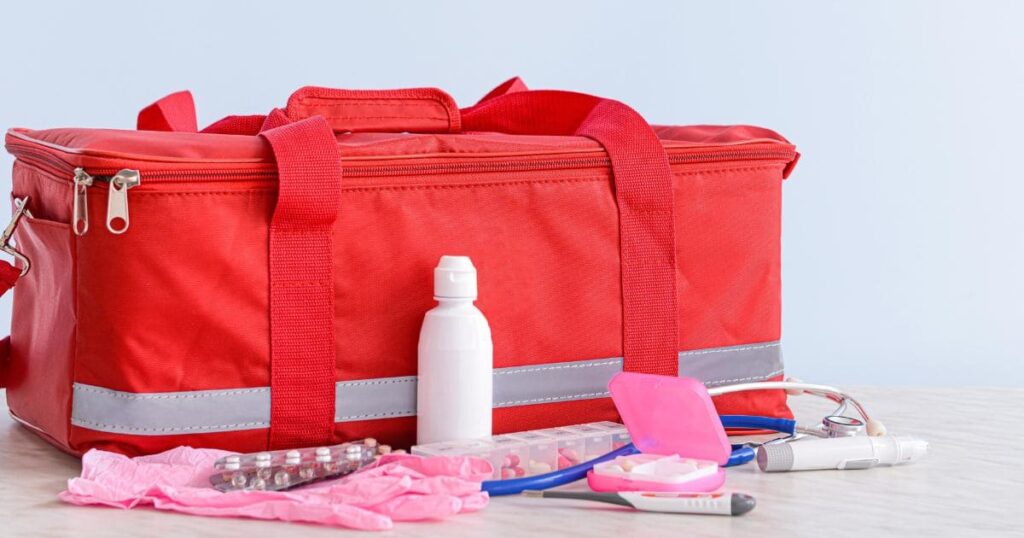
Why Your Kit Needs to Be Senior-Specific
A standard emergency list is a good starting point, but your kit must reflect your life. You may rely on daily medications, use medical devices, or have specific mobility needs. During a disruption, access to pharmacies, electricity, and even running water can be limited. A personalized kit ensures you can manage your health and well-being confidently, whether you need to shelter at home for several days or evacuate quickly. **Preparation is the key that turns anxiety into empowerment.
The Container & Storage: Start Smart
- 🎒 Choose the Right Bag: A wheeled suitcase is highly recommended for easy transport. Alternatives include a duffel bag or backpack with wide, padded straps.
- 📍 Store Strategically: Keep your kit in an easily accessible location near an exit. Make sure everyone in your household knows where it is.
Your Essential Checklist: Section by Section
💧 Water & 🥫 Food: The Survival Foundation
- Water: 1 gallon per person per day (3-day minimum)
- Food: 3-day supply of non-perishable items
- Manual can opener
- Granola/protein bars
- Canned fruits, vegetables, meats
- Dry cereal/trail mix
- Peanut butter
- Shelf-stable juice boxes
🔦 Light & 📞 Communication: Stay Connected
- Flashlight/lantern (battery-powered or hand-crank)
- Extra batteries for all devices
- Weather radio (battery-powered or hand-crank)
- Portable power bank (fully charged)
- Protective bags for electronics
🩹 Medical & Health: Your Wellness Priority
- 7-day medication supply in original bottles
- Over-the-counter medications (pain relievers, antacids)
- First-aid kit (bandages, gauze, antiseptic wipes)
- Medical information sheet (conditions, allergies, doctors)
- Insurance cards (copies)
👓 Personal Care & Comfort
- Extra eyeglasses/contacts
- Hearing aids with extra batteries
- Denture supplies (cleaner, case)
- Change of clothes & sturdy shoes
- Warm blanket/sleeping bag
- Personal hygiene items
- Comfort items (family photo, book, cards)
♿ Mobility & Safety
- Backup mobility aid (folding cane)
- Multi-tool
- Whistle
- N95 masks
- Cash (small bills)
- Emergency contact list
Important Documents: Your Paperwork Lifeline
Keep these in a waterproof pouch:
- Personal identification
- Medical information sheet
- Insurance cards (copies)
- Emergency contacts
- Home documents (lease/deed)
- Flash drive with digital copies of all documents
Maintaining Your Kit: Keep It Ready
Set a reminder to check your kit every 6 months (when clocks change):
- Replace expired food, water, and medications
- Check and refresh batteries
- Update documents and contacts
- Ensure all electronics are charged
Conclusion: Your Confidence, Carefully Packed
Building your emergency kit doesn’t have to be overwhelming. Start small – begin with the core essentials this week, then add personal items gradually. Every item you check off brings you closer to true peace of mind and independence. Remember: being prepared isn’t about fear; it’s about empowerment and taking control of your safety. You’ve got this.