
Creating Your Medical Emergency Response Plan
A Step-by-Step Guide for Seniors
We all hope a serious medical emergency never happens to us or our loved ones. But the simple truth is that being prepared can transform a moment of crisis into a manageable situation. For seniors, having a clear, practical Medical Emergency Response Plan isn’t about living in fear—it’s about living with confidence and maintaining your cherished independence. **This plan is your key to staying safely in your own home longer. It reduces panic, saves precious time, and ensures you receive the right care quickly. This step-by-step guide is designed to help you create a personalized plan that empowers you, protects your independence, and gives your entire family profound peace of mind.
Why a Medical Emergency Plan is Your Key to Safety and Independence
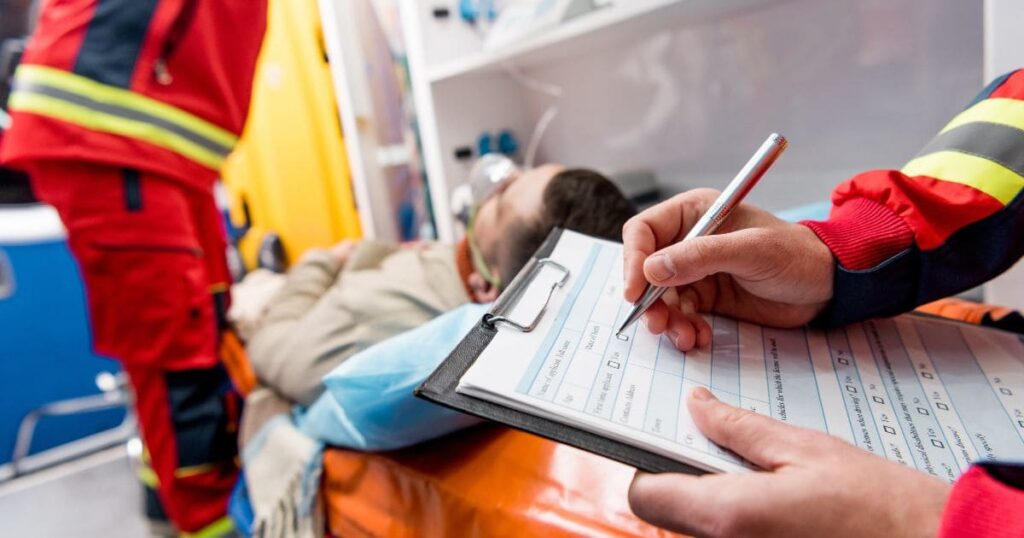
In a sudden health crisis—be it a fall, a heart episode, or severe dizziness—fear and confusion can be overwhelming. It becomes difficult to think clearly, remember vital information, or communicate effectively with first responders. A pre-made plan acts as your anchor in the storm. It provides clear instructions for you and anyone who might be helping you, ensuring that paramedics have immediate access to your critical medical history. This can directly influence the speed and quality of your care. Most importantly, it reinforces your independence by ensuring you have control over your own safety strategy.
🚨 Critical Storage Locations
Create a “Vital Info Sheet” and store a physical copy in a bright red or neon folder in these two key locations:
- On your refrigerator door (paramedics are trained to look here).
- On your bedside table.
Also, provide a copy to your emergency contacts.
Your “Vital Info Sheet” Should Clearly Include:
Full Legal Name & Date of Birth
Emergency Contacts: List at least two people. For each, include:
Name
Relationship to you (e.g., daughter, neighbor)
Primary phone number (cell)
Secondary phone number (home or work)
Critical Medical Conditions: List all major diagnoses, such as:
Heart Disease (e.g., History of heart attack, atrial fibrillation)
Diabetes (Type 1 or 2)
Respiratory issues (e.g., COPD, Asthma)
Neurological conditions (e.g., Alzheimer’s, Dementia, Parkinson’s, history of Strokes)
Any major surgeries (e.g., hip replacement, pacemaker)
Allergies: Be specific about:
Drug Allergies (e.g., Penicillin, Sulfa)
Food Allergies (e.g., Shellfish, Nuts)
Environmental Allergies (e.g., Bee stings)
Current Medications: This is crucial. Create a detailed, updated table. ⚠️ Please include all vitamins, supplements, and over-the-counter (OTC) medications.
| Medication Name | Dosage | Frequency | Reason for Use |
|---|---|---|---|
| Lisinopril | 10 mg | Once daily | High Blood Pressure |
| Metformin | 500 mg | Twice daily | Type 2 Diabetes |
| Aspirin (OTC) | 81 mg | Once daily | Blood Thinner |
| Vitamin D | 1000 IU | Once daily | Bone Health |
Healthcare Providers & Insurance
- Healthcare Providers: List your Primary Care Physician and key specialists with their phone numbers in a separate section below the table.
- Insurance Information: Include your provider (e.g., Medicare, Aetna), policy number, and group number.
Step 2: Choose and Prepare Your Emergency Contacts—Your Personal Response Team
Your emergency contacts are your lifeline. They are the people you (or a responder) will call first.
- Who to Choose: Select individuals who live nearby, are often available, and remain calm under pressure. This could be an adult child, a trusted neighbor, or a close friend. Always designate a primary contact and a backup contact.
- Have “The Talk”: Approach these people before an emergency. Say, “I’m creating a safety plan for my peace of mind, and I would be honored if you would be my emergency contact.” Ensure they agree and understand their role.
- Equip Them for Success:
- Provide them with a copy of your Vital Info Sheet.
- Give them a key to your home if you are comfortable doing so.
- Make sure they know where to find your plan in your home.
- Discuss any specific needs you have, such as a pet that would need care.
Step 3: Plan Your Communication Method—How to Call for Help
What if you can’t get to a phone? Planning your communication method is critical.
- 🚨 Medical Alert Systems: Consider investing in a wearable medical alert pendant or bracelet. Features include:
- Fall Detection: Automatically places a call if a fall is detected.
- GPS Location: Allows responders to find you if you are outside your home.
- Two-Way Voice Communication: Lets you speak directly through the pendant.
- 📞 Phone Strategies:
- Keep a charged cordless or cell phone with you at all times, perhaps in a pocket or on a lanyard.
- Program ICE Contacts: Save your emergency contacts in your phone under “ICE – [Name]” (e.g., “ICE – Daughter Sarah”).
- Practice using speed-dial functions.
- 👋 Non-Verbal Signals: Create a simple, pre-arranged signal with a neighbor:
- Leaving a specific blind partially drawn.
- Turning a porch light on during the day.
- Placing a pre-agreed object in a window.
Step 4: Prepare Your Home for Easy Access—Clear the Way for Help
- 🏠 Visible House Numbers: Ensure your house number is large, in a contrasting color, and well-lit at night.
- 🚶 Clear Pathways: Keep hallways, stairwells, and entryways free of clutter, loose rugs, and electrical cords.
- 🔑 Key Access: If you have a locked security screen door or use a lockbox, provide the code or combination to your emergency contacts.
Step 5: Practice and Review Your Plan—Keep It Fresh
- Mental Rehearsal: Every few months, mentally walk through different scenarios to build neural pathways for quick responses.
- Schedule Quarterly Reviews: Check medication lists, phone numbers, and the location of your Vital Info Sheet.
- Communicate Changes: Update your Vital Info Sheet and inform your emergency contacts if any health or contact info changes.
What to Do in an Emergency: Your Simple, Laminated Checklist
- STAY CALM. Take a slow, deep breath.
- CALL FOR HELP.
- Dial 911 (or your local emergency number) if immediate medical attention is needed.
- OR press your medical alert pendant.
- ALERT YOUR CONTACTS. Call your primary emergency contact or let 911/operator do it.
- GRAB YOUR VITAL INFO SHEET. If safe, get your bright folder to hand to paramedics.
- UNLOCK YOUR DOOR. Allow easy entry for help.
Conclusion: Your Plan for Confidence, Security, and Independence
Creating a Medical Emergency Response Plan is one of the most caring and empowering acts you can do for yourself. It transforms the unknown into a structured, manageable process. By taking these thoughtful steps, you are not preparing for disaster; you are actively investing in your ongoing safety, independence, and quality of life. You are building a foundation that allows you to live confidently in your own home.
Start today. Begin by filling out your Vital Info Sheet. Every step you complete is a positive stride toward a more secure and confident future, giving you and your loved ones the priceless gift of peace of mind.